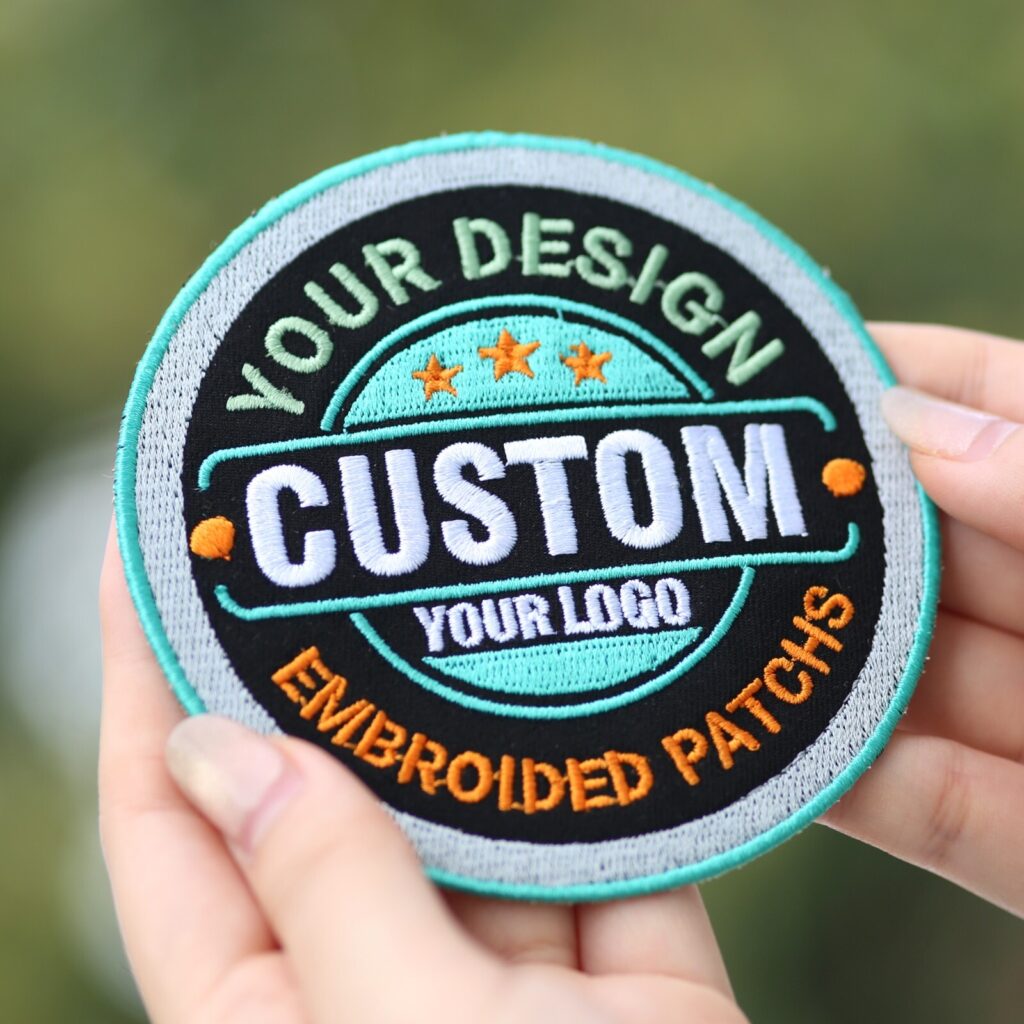

Custom patch pricing can feel like a black box the first time you request a quote. One supplier says $2 a patch, another says $6, and neither explains why. The truth is, patch pricing follows a fairly predictable formula once you know what’s being measured — and understanding it puts you in a much stronger position to negotiate, budget, and avoid overpaying.
It Starts With Size and Detail
Every patch quote begins with two basic measurements: how big the patch is, and how much detail the design contains. A 2-inch logo with three solid colors is quick and cheap to produce. A 5-inch design with fine text, shading, or a dozen color changes takes far more machine time and thread — and the price reflects that difference immediately.
Before requesting quotes, it helps to have your design mapped out at actual size. Guessing dimensions later almost always leads to a repriced quote.
Material Choice Changes the Math
Standard embroidery sits at the affordable end of the spectrum. Move into PVC/rubber, leather, or chenille, and the price climbs — partly due to raw material cost, and partly because these styles require different, often slower production methods. None of these materials are objectively “better”; the right choice depends on where the patch will be worn and how much wear it needs to survive.
Why Bulk Orders Change Everything
The single biggest lever on price is quantity. Digitizing a design and setting up production machinery costs roughly the same whether you order 20 patches or 500 — so that fixed cost gets divided across however many units you order. Doubling or tripling your order size is often the fastest way to bring the per-unit price down meaningfully, even if you don’t need that many patches right away.
Rush Fees: When They’re Worth Paying
Standard turnaround keeps costs predictable, but rush production reprioritizes your order ahead of others in the queue — and that convenience usually comes with a surcharge. If your deadline has any flexibility at all, even a week of buffer can eliminate this extra cost.
Fees That Rarely Show Up in the Headline Price
- Digitizing charges for converting artwork into a stitch-ready file
- One-time setup fees per design
- Shipping, particularly for international or expedited delivery
- Revision fees once you exceed a supplier’s free-change limit
Ask about each of these directly before comparing quotes — a low headline price sometimes hides higher totals once these are added.
If you’re still shaping your design, testing the concept with a Free Ai patch generator can give you a rough visual and a realistic sense of complexity before you request a formal quote — often revealing simple tweaks that bring the price down without changing the design’s core idea.
Judging Quotes on More Than the Bottom Line
The cheapest quote isn’t automatically the best one. A noticeably low price can mean thinner backing, lower-grade thread, or a supplier that skips the proofing step altogether. Before deciding, if you prefer to manage design and production in one place, our free online design tool is included in the process. It removes an extra vendor onboarding, checks whether the provider sends a digital proof, offers clear pricing tiers as quantity increases, and communicates realistic lead times rather than vague promises.
For buyers who’d rather manage design and production in one place, a patches maker online free design tool included in the process removes an extra vendor from the equation and keeps design costs from stacking on top of production costs.
Final Thoughts
Patch pricing isn’t guesswork once you understand what’s being charged for — size, detail, material, quantity, and turnaround all move the number in predictable ways. Plan your order with those levers in mind, ask about hidden fees before you commit, and you’ll end up with a price that actually reflects the value you’re getting.