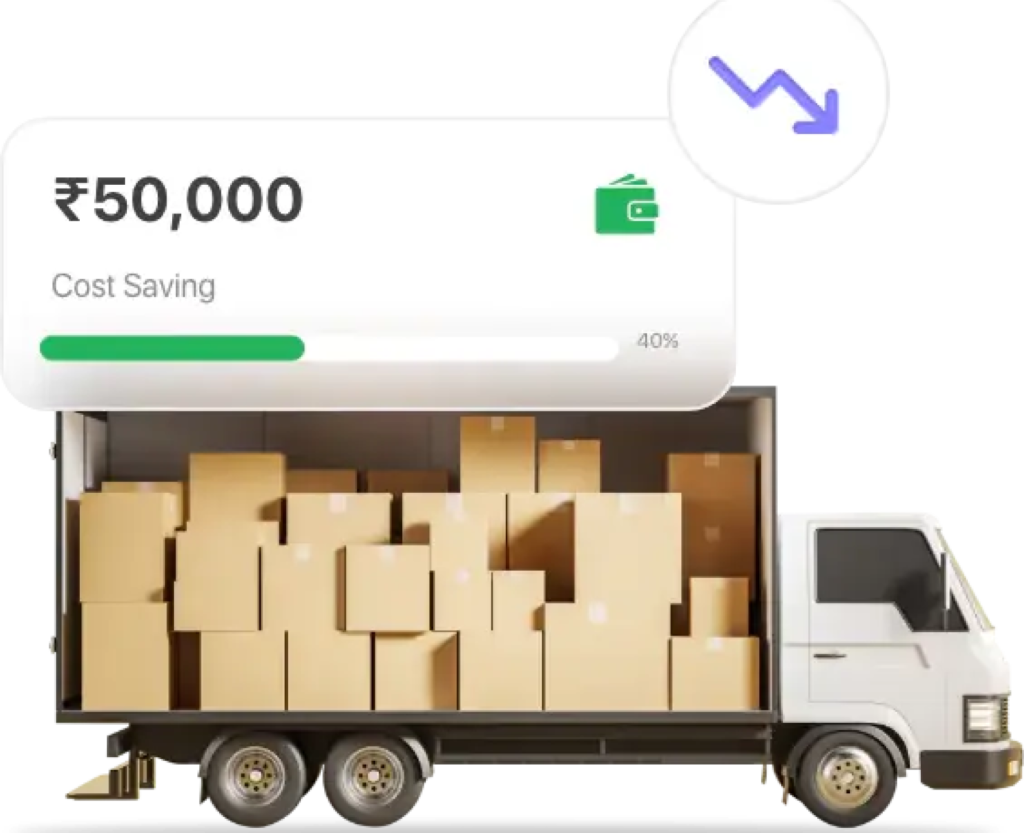

Let’s be honest—most businesses don’t optimize logistics until it starts hurting. They tolerate delivery delays, high RTO rates, and messy reconciliation processes until customer complaints pile up. That reactive mindset is expensive. Shipping is not a backend chore; it’s a revenue-protection system.
A courier aggregator brings structure to logistics by connecting businesses with multiple courier companies through a single, centralized platform. Instead of logging into different dashboards and managing separate contracts, sellers operate from one unified system. A courier aggregator allows businesses to compare rates, coverage areas, and delivery timelines before assigning shipments.
The real value isn’t convenience—it’s intelligent decision-making. A courier aggregator uses data like pin code performance, parcel weight, service availability, and historical delivery success to allocate orders efficiently. This reduces transit delays and failed delivery attempts. If you’re assigning shipments manually or based on habit, you’re choosing inefficiency.
The Fragility of Single-Courier Dependency
Many businesses rely heavily on one courier partner because it feels simple. But simplicity without flexibility creates risk. No courier performs equally well across all regions. Some are strong in metro cities; others handle semi-urban and rural deliveries better.
When you depend on one provider, you expose your operations to performance fluctuations. A centralized shipping model diversifies courier allocation automatically. If one courier underperforms in a certain region, the system adjusts. That adaptability improves delivery consistency.
Shipping Costs: Where Margins Quietly Disappear
Shipping isn’t cheap—and poor optimization makes it worse. Independent rate negotiations often provide limited leverage, especially if volumes fluctuate.
Platforms like shipclues consolidate shipments across multiple sellers, unlocking competitive rate structures. Instead of negotiating endlessly, businesses access a network of courier options through a single interface. This improves pricing flexibility without increasing operational complexity.
However, blindly choosing the cheapest option backfires. Low rates often correlate with higher RTO percentages and poor service quality. Intelligent allocation balances cost efficiency with delivery reliability.
Automation Is Not a Luxury
Manual processes don’t scale. Printing labels one by one, reconciling COD payments manually, and handling non-delivery reports individually wastes time and increases human error.
A courier aggregator automates essential tasks:
-
Bulk shipment processing
-
Automatic courier selection
-
Instant label generation
-
Real-time tracking notifications
-
COD reconciliation
-
Reverse logistics coordination
Automation ensures that operational workload doesn’t grow at the same rate as order volume.
Customer Experience Is Defined by Delivery
Customers rarely differentiate between the seller and the courier. If a parcel arrives late, they blame your brand. Poor tracking updates increase support queries and reduce trust.
Centralized logistics systems send automated notifications at every stage—from dispatch to final delivery. Transparency reduces uncertainty. Efficient return handling also improves customer satisfaction by ensuring smooth pickups and structured refunds.
Data-Driven Logistics Strategy
If you’re not reviewing shipping performance data, you’re guessing. That’s not strategy—it’s negligence.
A courier aggregator provides analytics such as:
-
Courier-wise delivery success rates
-
Region-based performance insights
-
Average transit times
-
RTO trend analysis
-
Shipping cost comparisons
This data allows continuous optimization. Instead of reacting to failures, businesses proactively improve allocation strategies.
Scaling Without Operational Chaos
Handling 100 orders daily manually might work. Handling 1,500 without automation leads to errors and delays.
Centralized shipping platforms integrate with eCommerce systems via APIs. Orders sync automatically, labels generate instantly, and tracking updates remain consistent. This keeps operations stable even during high-volume sales periods.
Who Actually Needs This?
-
D2C brands targeting nationwide customers
-
Marketplace sellers with daily bulk dispatch
-
Manufacturers distributing across multiple states
-
Subscription-based businesses
-
Startups planning aggressive growth
If logistics directly impacts your revenue, ignoring centralized systems is short-sighted.
Common Strategic Errors
-
Over-relying on a single courier partner
-
Selecting couriers purely on lowest price
-
Ignoring regional performance data
-
Delaying automation
-
Not tracking RTO percentages
Shipping is not just operational support—it’s margin management and reputation protection combined.
The Competitive Advantage of Structured Logistics
Businesses that systemize logistics early gain stability. Lower costs, improved delivery performance, and efficient returns directly increase customer lifetime value.
Structured systems replace reactive problem-solving with proactive optimization. Instead of constantly firefighting, businesses manage logistics strategically using automation and analytics.
Conclusion
Sustainable growth demands operational discipline. Efficient shipping systems reduce risk, protect margins, and strengthen customer trust. Companies that treat logistics as a strategic asset—not an afterthought—position themselves for long-term success in competitive markets.