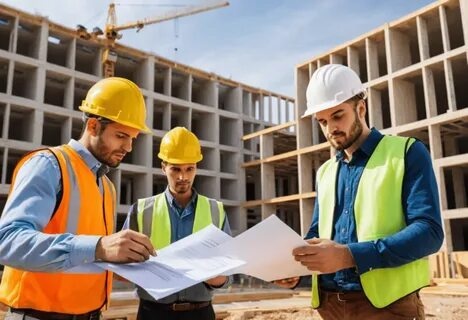

Every successful building project starts with a clear plan and a well-organized process. Whether you are improving your current property or building something new, proper planning helps reduce delays and unexpected costs. Knowing what to expect also makes it easier to communicate with contractors and stay involved throughout the project. With the right approach, you can enjoy a smoother experience from start to finish.
Why Planning Matters Before Construction Begins?
Good planning creates a strong foundation for every construction project. It allows homeowners and business owners to understand the timeline, budget, and project goals before work starts. Planning also helps identify possible challenges early.
When expectations are clear from the beginning, there are fewer misunderstandings later. Everyone involved knows their responsibilities. This leads to better teamwork and higher-quality results.
Understanding Construction Management
Construction management plays an important role in keeping a project organized from the first meeting to the final inspection. It focuses on scheduling, budgeting, coordinating workers, monitoring progress, and making sure every stage is completed correctly.
A well-managed project reduces unnecessary delays and helps maintain quality throughout the construction process. It also improves communication between property owners, contractors, suppliers, and inspectors.
Creating a Realistic Budget
A realistic budget helps avoid financial surprises during construction. It should include labor, materials, permits, inspections, and a reserve for unexpected expenses. Planning every cost ahead of time makes decision-making much easier.
Comparing estimates from qualified contractors also helps you understand market pricing. Choosing the lowest bid is not always the best option if it affects workmanship or materials.
Choosing the Right Contractor
Selecting an experienced contractor is one of the most important decisions you can make. Look for companies with positive customer reviews, proper licensing, and a strong portfolio of completed projects. Ask questions about their process and communication style.
A dependable contractor keeps you informed throughout the project. They explain changes clearly and work to keep the schedule on track whenever possible.
Setting a Practical Timeline
Every construction project requires enough time to be completed properly. Weather conditions, permit approvals, and material availability can all affect the schedule. Building extra time into the plan helps reduce stress.
A realistic timeline also allows contractors to focus on quality instead of rushing. Patience often leads to better craftsmanship and longer-lasting results.
Selecting Quality Materials
The materials you choose have a major impact on durability and appearance. Investing in quality products often reduces future maintenance and repair costs. Better materials also improve the overall value of the property.
Talk with your contractor about different material options before making final decisions. They can recommend products that match your budget and long-term goals.
Communication Keeps Projects Moving
Clear communication helps prevent mistakes and unnecessary delays. Schedule regular updates with your contractor so you always know what has been completed and what comes next.
Do not hesitate to ask questions if something is unclear. Open conversations make it easier to solve small issues before they become larger problems.
Understanding Permit Requirements
Many construction projects require permits before work begins. Local building codes help protect safety and ensure construction meets legal standards. Skipping permits can create expensive problems later.
An experienced contractor usually assists with the permitting process. They understand local requirements and help keep the project compliant from beginning to end.
Planning for Home Expansion
Many homeowners eventually need more living space as their families or lifestyles change. Expanding an existing home can be more practical than moving to a new property. Careful planning ensures the new space blends naturally with the original structure.
Home addition construction gives homeowners the opportunity to add bedrooms, offices, family rooms, or expanded kitchens while increasing both comfort and property value. A well-designed addition should match the home’s existing style and meet local building requirements.
Preparing for Unexpected Challenges
Even well-planned construction projects can face unexpected situations. Weather delays, supply shortages, or hidden structural issues sometimes appear after work begins. Being prepared helps reduce frustration.
A flexible budget and timeline make these situations easier to manage. Working with experienced professionals also helps solve problems quickly and efficiently.
Focusing on Safety Throughout the Project
Safety should remain a priority from the beginning of construction until completion. Contractors should follow proper safety procedures to protect workers, homeowners, and visitors. Organized job sites also reduce the risk of accidents.
Regular inspections help identify concerns before they become serious. Safe construction practices benefit everyone involved in the project.
Keeping Track of Progress
Monitoring progress helps ensure the project stays aligned with the original plan. Regular walkthroughs allow homeowners to ask questions and review completed work. Small corrections are much easier to make early.
Documenting important milestones also creates a useful record for future reference. Good organization supports a smoother construction experience.
Balancing Quality and Cost
Every project has financial limits, but quality should never be overlooked. Cutting costs by choosing poor materials or inexperienced labor often creates expensive repairs later. Investing wisely usually saves money over time.
Work with your contractor to find solutions that fit your budget while maintaining good workmanship. Careful decisions produce better long-term value.
Final Inspections Before Completion
Before considering the project finished, perform a detailed final inspection. Review every area carefully and discuss any concerns with your contractor. Small adjustments are common and should be addressed before final payment.
Make sure all permits are closed and inspections have been completed successfully. Keeping copies of warranties and project documents is also a good idea for future maintenance.
Conclusion
A successful construction project depends on careful planning, experienced professionals, quality materials, and consistent communication. Every decision made before and during construction affects the final outcome. Taking the time to plan properly helps reduce stress while improving both quality and long-term value.
If you are planning your next construction project, LWB Construction proudly serves Middletown, DE, and the surrounding areas with professional construction solutions tailored to your needs. Their experienced team is committed to delivering quality workmanship, dependable service, and results that homeowners and property owners can trust for years to come.