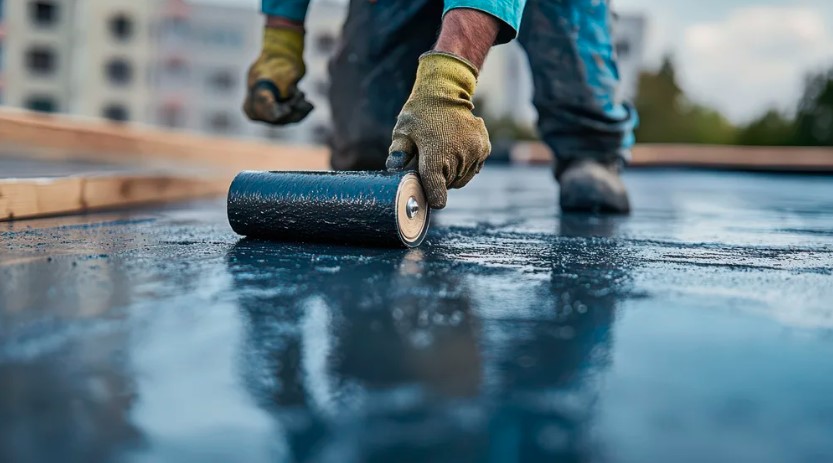

Concrete is known for its strength and durability, but it is not completely waterproof. Over time, moisture can seep through cracks and pores, leading to structural damage, mold growth, and reduced lifespan of buildings. That’s why investing in effective Concrete Waterproofing Solutions is essential for both residential and commercial properties. In this article, we’ll explore why waterproofing matters, the best methods available, and how to choose the right solution for your needs.
Why Concrete Waterproofing Is Important
Concrete may look solid, but it is naturally porous. Water can penetrate these tiny openings, especially in areas exposed to heavy rain, groundwater, or humidity. When moisture enters concrete, it can cause:
-
Cracks and surface deterioration
-
Rusting of steel reinforcements
-
Mold and mildew growth
-
Weakening of foundations and walls
Using proper Concrete Waterproofing Solutions helps prevent these issues, protecting your property and maintaining its structural integrity for years.
Common Types of Concrete Waterproofing Solutions
There are several waterproofing methods available, each designed for specific applications and conditions. Below are the most effective solutions:
1. Cementitious Waterproofing
This is one of the simplest methods. It involves applying a cement-based coating to the concrete surface. It’s easy to apply and works well for internal wet areas such as bathrooms and basements. However, it is less flexible and may crack over time.
2. Liquid Waterproofing Membrane
This method uses a liquid coating that forms a seamless rubber-like membrane when dried. It provides excellent flexibility and durability. Liquid membranes are commonly used on roofs, balconies, and foundations.
3. Bituminous Coating
Bituminous waterproofing is widely used for foundations. It creates a thick protective layer that resists moisture. While effective, it may degrade when exposed to direct sunlight unless protected with a top coat.
4. Polyurethane Waterproofing
Polyurethane is a premium option known for its high flexibility and strong adhesion. It’s ideal for flat roofs and exposed concrete surfaces. This solution offers long-term protection but can be more expensive.
5. Crystalline Waterproofing
This method involves applying chemicals that react with moisture to form crystals inside concrete pores. These crystals block water pathways, making the concrete waterproof from within. It’s a great choice for basements and water tanks.
How to Choose the Right Waterproofing Solution
Selecting the best Concrete Waterproofing Solutions depends on several factors:
-
Location: Is the concrete indoors or outdoors?
-
Exposure: Will it face rain, groundwater, or standing water?
-
Budget: Some solutions are more cost-effective than others.
-
Flexibility needs: Areas prone to movement require flexible coatings.
-
Longevity: Consider long-term maintenance and durability.
Consulting a waterproofing expert can help you determine the most suitable option for your specific project.
Benefits of Concrete Waterproofing
Using professional waterproofing solutions offers multiple advantages:
-
Extends the lifespan of structures
-
Prevents costly repairs
-
Improves indoor air quality
-
Enhances property value
-
Reduces mold and mildew risks
Proper waterproofing ensures peace of mind and long-term protection.
Best Practices for Effective Waterproofing
To get the best results from Concrete Waterproofing Solutions, follow these tips:
-
Clean and prepare the surface thoroughly
-
Repair existing cracks before application
-
Use high-quality waterproofing products
-
Apply multiple coats if recommended
-
Hire professionals for complex projects
Correct application is just as important as choosing the right material.
Frequently Asked Questions (FAQs)
Q1: How long do concrete waterproofing solutions last?
Most waterproofing systems can last 10–25 years depending on product quality and maintenance.
Q2: Can waterproofing be applied to old concrete?
Yes, as long as the surface is cleaned and repaired properly before application.
Q3: Is waterproofing necessary for basements?
Absolutely. Basements are highly prone to moisture and require reliable waterproofing.
Q4: Can I apply waterproofing myself?
Some solutions are DIY-friendly, but professional application ensures better results.
Q5: What is the best waterproofing method for roofs?
Liquid membranes and polyurethane coatings work best for flat roofs.
Conclusion
Concrete waterproofing is a crucial investment for protecting your property from moisture damage. With the right Flooring Contractors, you can prevent structural issues, extend building life, and maintain a healthy indoor environment. Whether it’s your basement, roof, or foundation, choosing the appropriate method and applying it correctly will ensure long-lasting protection. For best results, consider professional assistance and high-quality materials to safeguard your structure for years to come.