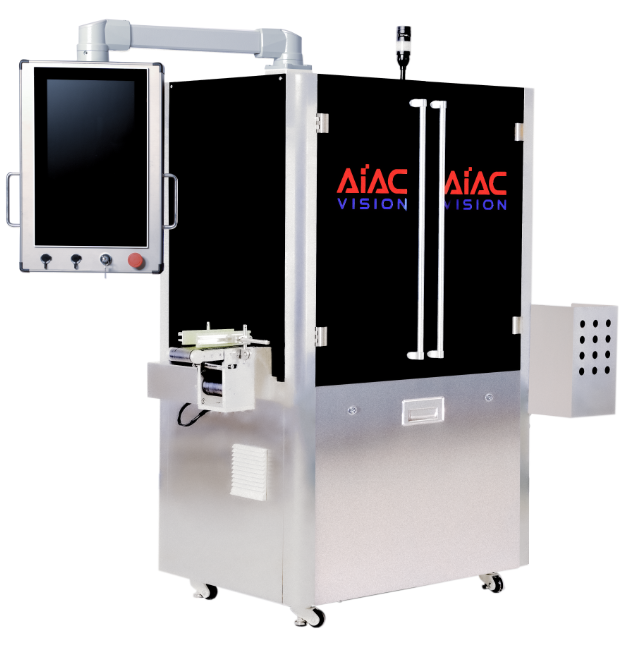

Regulatory compliance in pharmaceutical production depends on consistency, accuracy, and trust. Every tablet, capsule, and package moving through a production line carries responsibility, not only for patient safety but also for regulatory accountability. This is where computer vision steps in as a reliable ally. Through visual inspection automation, manufacturers maintain inspection accuracy while keeping pace with high-speed production demands. Instead of relying solely on manual checks, production teams now rely on intelligent systems that detect defects, document results, and support compliance without slowing operations.
Why Compliance Demands Precision?
Pharmaceutical regulations focus on product integrity, traceability, and documented quality assurance. Inspection errors, even minor ones, trigger costly recalls or regulatory scrutiny. Manual inspection introduces variability due to fatigue, subjective judgment, and inconsistent conditions. Automated vision systems remove uncertainty by applying consistent evaluation criteria across every unit, including complex processes like blister pack inspection, where material integrity and sealing accuracy matter.
How Computer Vision Fits into Pharma Production?
Computer vision uses cameras, lighting, and software models trained to recognize acceptable and defective products. These systems observe production lines continuously and flag deviations in real time. Unlike manual inspection, visual inspection automation operates without breaks and applies the same logic throughout shifts. This consistency supports regulatory expectations for repeatable and verifiable quality processes.
Supporting Documentation and Traceability
Regulators expect clear documentation that proves inspection activities occur as defined. Vision systems generate inspection logs automatically, capturing images, defect classifications, and timestamps. These records create a transparent audit trail. During blister pack inspection, this documentation verifies that every cavity contains the correct dose and that packaging integrity meets defined standards.
Reducing Human Error Without Replacing Oversight
Automation does not eliminate human involvement. Instead, it allows teams to focus on oversight and decision making. Operators review flagged defects rather than scanning every unit manually. With visual inspection automation, inspection teams gain reliable data that supports informed decisions while reducing fatigue-related errors that often appear in manual inspection processes.
Adapting to Evolving Regulatory Standards
Regulatory frameworks evolve as manufacturing technologies advance. Computer vision systems adapt through software updates and retraining models, rather than hardware replacement. This flexibility matters in areas like blister pack inspection, where new materials, formats, or compliance requirements emerge. Vision systems adjust parameters while maintaining inspection accuracy.
Consistency Across High-Speed Production Lines
Modern pharmaceutical production lines operate at speeds that challenge manual inspection. Computer vision maintains accuracy even as throughput increases. Systems inspect each unit individually, ensuring no gaps in quality assurance. Visual inspection automation ensures that speed never compromises compliance, supporting both operational efficiency and regulatory confidence.
Detecting Subtle Defects Before They Escalate
Some defects remain invisible to the human eye until they escalate into larger issues. Vision systems detect subtle inconsistencies in color, shape, fill level, or seal integrity. In blister pack inspection, early detection of seal irregularities prevents moisture exposure and product degradation. Early intervention protects both consumers and manufacturers.
Building Confidence During Audits
Regulatory audits test more than products. They assess processes. Vision inspection systems demonstrate commitment to quality through data-driven inspection methods. Audit teams review inspection logs, defect trends, and corrective actions with clarity. Visual inspection automation offers measurable proof of compliance, reducing audit stress and preparation time.
Balancing Efficiency and Compliance
Compliance often feels like a barrier to efficiency. Computer vision bridges that gap by embedding inspection directly into production flow. Automated inspection minimizes rework and waste while maintaining compliance standards. Processes like blister pack inspection occur seamlessly, without slowing output or introducing manual bottlenecks.
Conclusion
Computer vision reshapes how pharmaceutical manufacturers approach regulatory compliance. By combining accuracy, documentation, and adaptability, these systems support quality assurance without sacrificing efficiency. As production complexity grows, visual inspection automation provides the consistency regulators expect and the reliability manufacturers need. From early defect detection to detailed audit trails, computer vision stands as a practical foundation for compliant, confident pharma production.