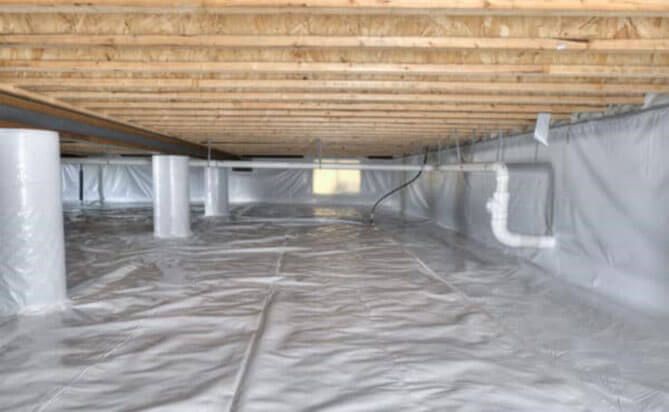

Vapor mitigation is a critical step in ensuring safe, healthy, and structurally sound buildings, especially in regions like Texas where soil conditions and humidity levels can contribute to high vapor emissions. Whether you are constructing a new property or addressing issues in an existing building, understanding vapor mitigation is essential for homeowners, contractors, and property managers.
What is Vapor Mitigation?
Vapor mitigation refers to the methods and technologies used to reduce or control the movement of water vapor through floors, walls, and foundations. Excess moisture in buildings can lead to serious problems such as mold growth, structural damage, and indoor air quality issues. In Texas, where certain soils retain moisture and climates vary from humid coastal areas to dry inland regions, vapor mitigation strategies are especially important.
Common sources of vapor include:
- Moisture from the soil beneath the foundation
- High humidity in the air
- Plumbing leaks or poor drainage systems
Proper vapor mitigation in Texas ensures that these moisture sources do not compromise the building’s integrity or occupant health.
Why Vapor Mitigation is Important in Texas
Texas presents unique challenges when it comes to moisture control:
- Soil Conditions: Many areas in Texas have clay-rich soils that expand when wet and contract when dry. This expansion and contraction can increase vapor pressure under foundations.
- Humidity: Coastal regions such as Houston and Galveston experience high humidity, which can exacerbate moisture infiltration into buildings.
- Temperature Variations: Extreme temperature fluctuations in Texas can lead to condensation inside buildings if vapor is not properly managed.
Failing to implement proper vapor mitigation can result in:
- Mold and mildew growth, which poses health risks
- Damage to flooring, walls, and insulation
- Increased energy costs due to inefficient heating and cooling
- Decreased property value
Methods of Vapor Mitigation in Texas
There are several effective vapor mitigation techniques commonly used in Texas. These methods can be applied individually or in combination, depending on the specific conditions of the site.
1. Vapor Barriers
Vapor barriers are materials that prevent moisture from passing through floors and walls. Typically made of polyethylene sheets or specialized membranes, they are installed during construction under concrete slabs or between foundation walls. In Texas, vapor barriers are essential for homes with basements, crawl spaces, or slab-on-grade foundations.
2. Vapor Retarders
Vapor retarders reduce the rate at which moisture moves through building materials. Unlike full barriers, retarders allow a small amount of controlled moisture diffusion, which can be beneficial in certain climates. They are often installed in walls, ceilings, and floors to protect insulation and structural components.
3. Sealants and Coatings
Specialized sealants and coatings can be applied to concrete floors and walls to block vapor. These are especially useful for existing structures that require retrofitting without extensive demolition. Epoxy-based or acrylic sealers are popular in Texas for their durability and moisture-blocking properties.
4. Proper Ventilation
In addition to physical barriers, proper ventilation is a key component of vapor mitigation. Crawl spaces and attics should have adequate airflow to prevent trapped moisture. In humid areas, mechanical ventilation systems or dehumidifiers can be installed to maintain optimal humidity levels.
5. Drainage Systems
Moisture often comes from outside the building. Installing effective drainage systems such as French drains, gutters, and sloped grading around the foundation can significantly reduce the amount of water that reaches the building’s foundation.
Vapor Mitigation for New Construction vs. Existing Buildings
The approach to vapor mitigation differs depending on whether a property is newly built or already established.
New Construction
During new construction in Texas, vapor mitigation can be seamlessly integrated into the building design. This includes:
- Installing a high-quality vapor barrier under concrete slabs
- Using moisture-resistant insulation and materials
- Designing proper site grading and drainage systems
Early integration ensures long-term protection and minimizes costly retrofits in the future.
Existing Buildings
Retroactively implementing vapor mitigation in existing buildings requires careful assessment. Professionals often use moisture meters and infrared cameras to identify problem areas. Solutions may include:
- Applying sealants or coatings to concrete slabs and walls
- Adding vapor retarders to crawl spaces or attics
- Installing dehumidifiers or ventilation improvements
Choosing the Right Vapor Mitigation Contractor in Texas
Selecting an experienced vapor mitigation contractor is crucial to ensure effective results. Here are key factors to consider:
- Experience and Expertise: Look for contractors with proven experience in Texas climates and soil conditions.
- Certifications and Licensing: Ensure the contractor is licensed and certified to perform vapor mitigation services.
- Custom Solutions: Each property is unique. The contractor should provide tailored recommendations rather than one-size-fits-all solutions.
- References and Reviews: Check previous client reviews and ask for references to evaluate the quality of work.
Benefits of Effective Vapor Mitigation
Proper vapor mitigation in Texas offers numerous benefits for homeowners and property managers:
- Health Protection: Reduces the risk of mold, mildew, and allergens indoors.
- Structural Integrity: Prevents moisture-related damage to foundations, floors, and walls.
- Energy Efficiency: Maintains insulation performance and reduces heating and cooling costs.
- Increased Property Value: A dry, well-maintained property is more attractive to buyers.
Common Misconceptions About Vapor Mitigation
Despite its importance, there are a few misconceptions about vapor mitigation:
- “Only basements need vapor mitigation.”
In Texas, slab-on-grade homes, crawl spaces, and even walls can benefit from vapor control. - “Vapor barriers trap moisture.”
When properly installed, vapor barriers prevent moisture from entering the building envelope while allowing safe levels of diffusion. - “DIY solutions are sufficient.”
Improper installation can worsen problems. Professional assessment and installation are strongly recommended.
Conclusion
Vapor mitigation in Texas is not just a precaution; it is a necessary step in protecting buildings from moisture-related damage and health risks. From new construction projects to retrofitting existing structures, implementing effective vapor mitigation strategies ensures long-term durability, energy efficiency, and indoor air quality. By understanding the methods available and working with experienced contractors, Texas property owners can safeguard their investments and maintain a healthy living environment. Whether you are planning a new build or addressing persistent moisture problems, investing in proper vapor mitigation is a decision that pays off in both comfort and property value.