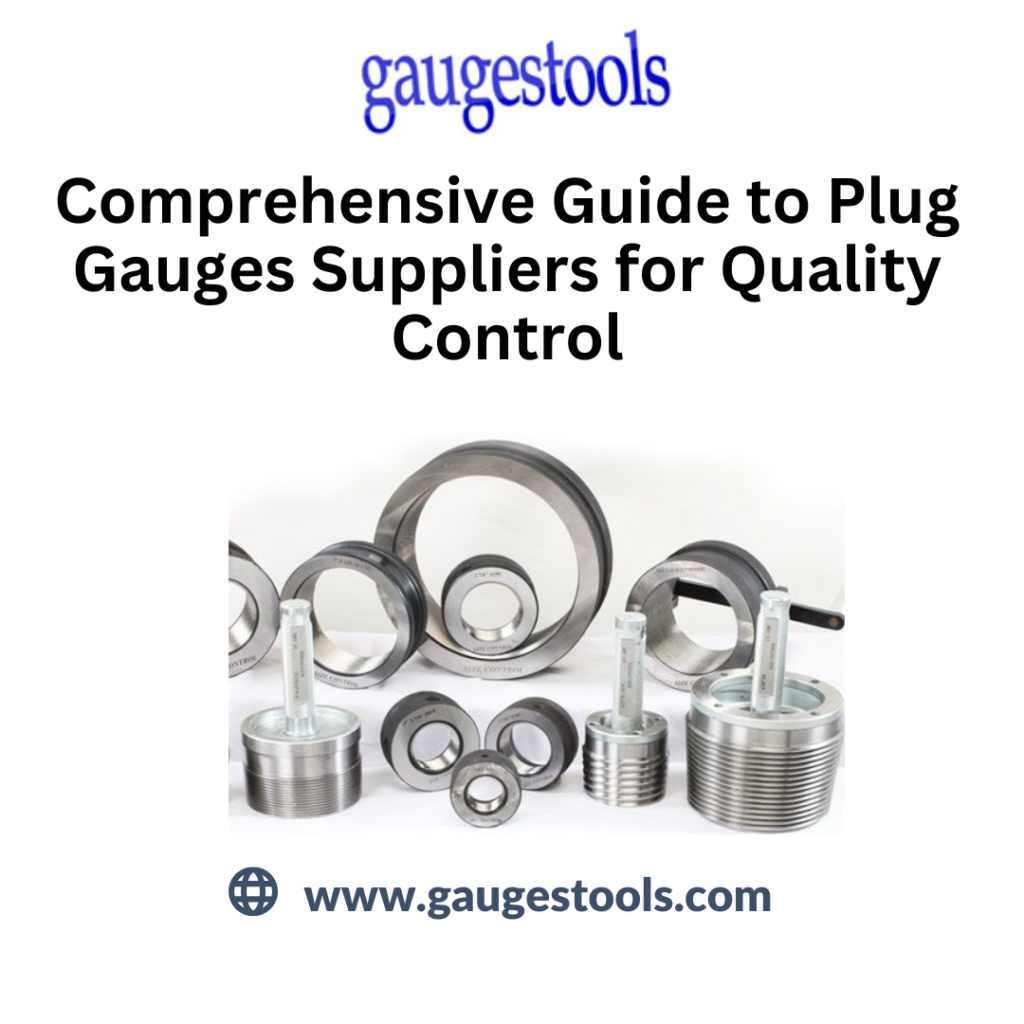

In manufacturing, precision matters. Whether you’re producing engine components, fasteners, pipe fittings, or high‑tolerance machined parts, accurate measurement and inspection are essential for ensuring product quality. One of the most fundamental tools used in inspection is the plug gauge a simple but powerful instrument that verifies hole sizes, thread dimensions, and general dimensional accuracy.
However, not all plug gauges are created equal. Choosing the right Plug gauges supplier can mean the difference between consistent product quality and costly errors on the production floor. In this comprehensive guide, we’ll explore why plug gauges are so important, what to consider when selecting a supplier, and how Gaugestools stands out as a trusted partner in quality control.
What Are Plug Gauges and Why They Matter
A plug gauge is a precision tool used to check the diameter, size, or tolerance of a hole or internal feature. In a typical inspection scenario, a plug gauge is inserted into a hole or threaded opening to verify that the internal dimensions are within specified limits.
There are two common types:
- Plain Plug Gauges – Used for verifying straight holes to ensure they meet tolerance requirements.
- Thread Plug Gauges – Used for confirming the accuracy of internal threads.
The gauge typically features a GO end and a NO‑GO end:
- GO end: Confirms the hole or thread meets minimum material conditions and fits correctly.
- NO‑GO end: Ensures that dimensions do not exceed the maximum permissible limits.
This simple check helps manufacturers avoid rejects, assembly issues, and functional failures—making plug gauges a cornerstone of quality inspection.
The Role of Plug Gauges in Quality Control
Plug gauges play a vital role in quality control across industries such as automotive, aerospace, oil & gas, machinery manufacturing, and fasteners production. These tools help inspectors verify:
- Hole diameters and tolerances
- Internal thread accuracy
- Consistency from part to part
- Production compliance with engineering specifications
The simplicity of plug gauges makes them reliable and easy to use on shop floors, reducing inspection time while maintaining consistent results. When used alongside other precision tools like ring gauges, thread gauges, and slip gauges, plug gauges help complete a comprehensive quality assurance system.
Key Factors to Consider When Choosing Plug Gauges Suppliers
Choosing the right supplier impacts not just quality but also production efficiency and cost savings. Below are the most important factors to consider when evaluating plug gauges suppliers:
1. Precision Manufacturing Standards
A plug gauge is only as good as its manufacturing precision. Look for suppliers who use state‑of‑the‑art machining centers, hardened materials, and strict quality control processes. Each gauge should be manufactured to exact tolerances and tested against traceable standards.
Certified calibration and adherence to standards such as ISO, ANSI, DIN, or ASME are indicators of a reputable supplier. These certifications ensure that the gauges will function accurately within specified limits and provide reliable inspection results.
2. Material Quality and Durability
High-quality plug gauges are typically made from hardened tool steel, stainless steel, or carbide, depending on application demands. Material affects wear resistance, longevity, and performance in different environments (e.g., humid workshops, abrasive conditions, or heavy usage scenarios).
- Hardened tool steel: Offers excellent wear resistance and precision.
- Stainless steel: Provides corrosion resistance in corrosive or humid environments.
- Carbide: Delivers the highest durability and longest life cycle.
A dependable supplier will offer a range of materials to suit varying industrial needs.
3. Standard Compliance and Traceability
Suppliers should provide gauges compliant with internationally recognized standards. Traceability documentation and certificates of calibration help assure that every tool meets engineering and industry requirements. This is especially critical for sectors where regulatory compliance plays a central role, like aerospace and medical manufacturing.
Plug gauges sourced from quality suppliers come with proper documentation that supports audit trails and quality assurance programs.
4. Customization Capabilities
Every manufacturing process has unique inspection needs. While standard plug gauges work for routine holes and thread checks, some applications demand custom sizes, shapes, or tolerance ranges. A supplier with customization services enables you to obtain gauges tailored to specific designs or unique component geometries.
Customization may include special coatings for wear protection, extended lengths for deep holes, or non‑standard thread profiles.
5. Supplier Reputation and Support Services
A reliable plug gauges supplier should not only deliver high‑quality tools but also provide exceptional support. Look for vendors with established reputations, positive customer reviews, and responsive technical support.
Useful support services may include:
- Calibration reminders and services
- Repair or refurbishment options
- Expert guidance on gauge selection
- Fast turnaround for replacements and custom orders
Strong supplier relationships foster better quality outcomes and help streamline inspection processes.
Why Choose Gaugestools as Your Plug Gauges Supplier
Gaugestools stands out as a leading plug gauges supplier for manufacturers focused on high‑precision quality control. With years of industry experience, Gaugestools combines engineering expertise with robust manufacturing capabilities to deliver reliable, accurate, and durable gauges.
Here’s what sets Gaugestools apart:
- Precision Engineering: Every plug gauge is manufactured with strict adherence to international standards for consistency and reliability.
- Material Excellence: Gaugestools uses superior materials to ensure longevity and performance even in demanding environments.
- Customization Options: We offer tailor‑made plug gauge solutions to match unique manufacturing specifications.
- Quality Assurance: Comprehensive testing and calibration procedures guarantee that each gauge meets the highest quality benchmarks.
- Dedicated Support: Our team provides expert consultation and responsive customer service for seamless procurement and inspection planning.
Best Practices for Using Plug Gauges in Quality Inspection
Using high‑quality plug gauges is just one part of a successful inspection program. To maximize their effectiveness:
Train Operators
Ensure all personnel understand GO/NO‑GO inspection techniques and proper handling to avoid gauge damage.
Maintain Calibration
Regular calibration checks extend gauge life and assure accurate measurement over time.
Store Gauges Properly
Keep gauges in protective cases or controlled environments to prevent corrosion and wear.
Document Inspections
Record results to maintain traceability and identify trends in production quality.
These practices complement top‑tier gauges and foster a robust quality control system.
Conclusion
Quality control is at the heart of every successful manufacturing process, and plug gauges continue to be indispensable tools for verifying dimensional accuracy. Choosing the right supplier ensures that inspection tools are precise, durable, compliant with standards, and suited to your industry’s needs.
When it comes to trusted plug gauges suppliers, Gaugestools offers proven expertise, reliable products, customization, and excellent support services—making it easier for manufacturers to uphold the highest quality standards.
For precision measurement tools you can depend on, explore the range at us and elevate your quality control process today. To discuss your specific requirements or request a quote, Contact Us and our experts will assist you promptly.
FAQs About Plug Gauges and Suppliers
Q1: What industries require plug gauges most frequently?
A: Automotive, aerospace, oil & gas, fasteners, and general machining industries rely heavily on plug gauges for hole verification and inspection.
Q2: How often should plug gauges be calibrated?
A: Calibration frequency depends on usage and production volume, but at minimum annually or per company quality protocols.
Q3: What materials are best for plug gauges?
A: Hardened tool steel, stainless steel, and carbide are common, depending on wear resistance and environmental needs.
Q4: Can plug gauges be customized?
A: Yes—reputable suppliers like Gaugestools offer customization based on specific hole sizes and engineering specifications.
Q5: What is the difference between plug gauges and ring gauges?
A: Plug gauges inspect internal features (inside holes), whereas ring gauges verify external dimensions such as shafts or threaded studs.