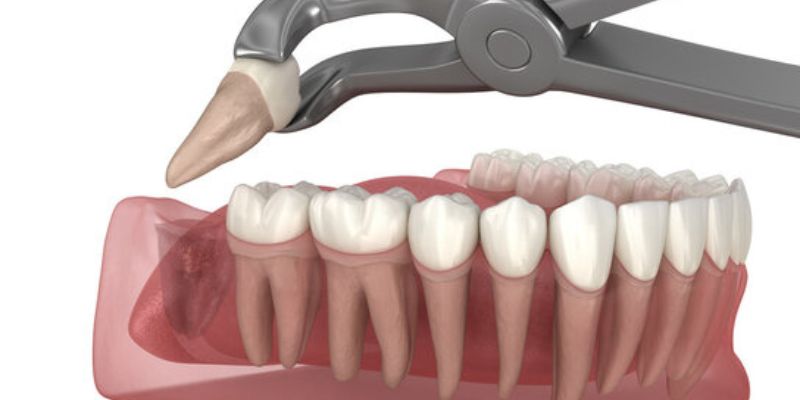

Wisdom teeth are the last set of molars that usually emerge between the ages of 17 and 25. While some people experience no issues, many individuals develop impacted wisdom teeth due to insufficient space in the jaw or improper tooth alignment. Ignoring the early warning signs can lead to pain, infection, and damage to nearby teeth. Understanding the common symptoms can help you seek timely treatment and avoid serious dental complications.
If you are experiencing discomfort and are considering wisdom tooth removal in dlf phase 1 gurgaon, recognizing the symptoms early can help prevent more complex oral health issues. Modern dental techniques have also made wisdom tooth extraction much safer and more comfortable than ever before.
What Is an Impacted Wisdom Tooth?
An impacted wisdom tooth is a tooth that fails to erupt properly through the gums. It may remain completely trapped inside the jawbone or partially emerge through the gum tissue. Depending on its position, it can grow sideways, at an angle, or directly against the adjacent tooth.
When left untreated, an impacted wisdom tooth can affect surrounding teeth, gums, and jawbone, often requiring impacted wisdom tooth extraction or wisdom tooth surgical extraction to restore oral health.
Why Do Wisdom Teeth Become Impacted?
Several factors contribute to impacted wisdom teeth, including:
- Lack of adequate space in the jaw
- Abnormal tooth positioning
- Genetics
- Delayed tooth eruption
- Crowded teeth
These conditions often prevent the wisdom tooth from erupting normally, increasing the risk of infections and other complications.
Common Symptoms of Impacted Wisdom Teeth
Recognizing the symptoms early allows for prompt diagnosis and treatment.
1. Persistent Impacted Wisdom Tooth Pain
One of the earliest and most common signs is impacted wisdom tooth pain. The discomfort may begin as mild soreness but gradually become severe. The pain may spread to nearby teeth, ears, or even the neck.
This pain often worsens while chewing or opening the mouth and may come and go before becoming constant.
2. Swollen Gums Near Wisdom Tooth
Another noticeable symptom is swollen gums near wisdom tooth. The gum tissue surrounding the partially erupted tooth may become red, tender, and swollen.
Swollen gums can make brushing and flossing difficult, allowing bacteria and food particles to accumulate beneath the gum flap.
3. Wisdom Tooth Infection Symptoms
A partially erupted tooth creates the perfect environment for bacterial growth. Some common wisdom tooth infection symptoms include:
- Persistent bad breath
- Unpleasant taste in the mouth
- Swollen lymph nodes
- Fever
- Gum discharge
- Severe pain
Dental infections should never be ignored, as they can spread to surrounding tissues if left untreated.
4. Jaw Pain from Wisdom Teeth
Many patients complain of jaw pain from wisdom teeth, especially when the impacted tooth presses against surrounding structures.
The jaw may feel stiff, making it difficult to chew or fully open the mouth. In severe cases, inflammation can extend into the jaw muscles, causing discomfort while speaking or eating.
5. Wisdom Tooth Gum Inflammation
Persistent wisdom tooth gum inflammation is another common warning sign. Inflamed gums may bleed during brushing and become highly sensitive.
Repeated inflammation increases the likelihood of bacterial infections and can eventually damage surrounding gum tissue.
6. Partially Erupted Wisdom Tooth
A partially erupted wisdom tooth is especially prone to complications. Since only part of the tooth breaks through the gum, bacteria can easily enter the surrounding tissues.
Food debris often gets trapped beneath the gum flap, increasing the chances of infection and swelling.
7. Tooth Crowding at the Back
When there isn’t enough room for wisdom teeth to erupt, they can push against neighboring molars, leading to tooth crowding at the back.
This pressure may alter the alignment of nearby teeth and create additional orthodontic concerns over time.
8. Wisdom Tooth Pressure Headache
Some individuals experience a wisdom tooth pressure headache due to the constant pressure exerted by the impacted tooth on surrounding nerves and jaw muscles.
These headaches often begin near the jaw and radiate toward the temples or forehead.
9. Wisdom Tooth Cavity Risk
An impacted or partially erupted tooth is extremely difficult to clean properly, increasing the wisdom tooth cavity risk.
Decay may develop on the wisdom tooth itself or on the neighboring molar because plaque accumulates in areas that are difficult to reach.
10. Dental Cyst from Wisdom Tooth
In some untreated cases, a dental cyst from wisdom tooth may develop around the impacted tooth.
A cyst can gradually enlarge, damaging surrounding bone and nearby teeth. Although uncommon, early diagnosis is essential to prevent extensive oral surgery.
When Should You Visit a Dentist?
You should schedule a dental evaluation if you experience:
- Persistent tooth pain
- Swollen gums
- Difficulty opening your mouth
- Bad breath that doesn’t improve
- Jaw stiffness
- Pain while chewing
- Repeated gum infections
Early diagnosis through clinical examination and digital X-rays helps determine whether wisdom tooth extraction is necessary.
At a trusted dental clinic in dlf phase 1 gurgaon, dentists use advanced imaging techniques to evaluate the exact position of impacted wisdom teeth and recommend the most suitable treatment plan.
How Is Impacted Wisdom Tooth Diagnosed?
Diagnosis usually involves:
Clinical Examination
The dentist checks for swelling, infection, gum inflammation, and signs of partial eruption.
Digital X-rays
Dental X-rays reveal the exact position of impacted teeth, their angle, and their relationship with surrounding nerves and adjacent teeth.
Treatment Planning
Based on the findings, your dentist determines whether observation or impacted wisdom tooth extraction is the best option.
Treatment Options
Monitoring
If the wisdom tooth is healthy, fully erupted, and causing no symptoms, periodic monitoring may be sufficient.
Wisdom Tooth Extraction
When symptoms develop, wisdom tooth extraction becomes the recommended solution to prevent further complications.
Wisdom Tooth Surgical Extraction
Deeply impacted teeth often require wisdom tooth surgical extraction. During this procedure, the dentist makes a small incision in the gum and removes the tooth safely.
Modern surgical techniques minimize discomfort and speed up recovery.
Painless Wisdom Tooth Removal
Today’s dental technology has significantly improved patient comfort. Local anesthesia, sedation options, and minimally invasive techniques allow for safe and highly comfortable painless wisdom tooth removal in most cases.
Patients generally experience minimal discomfort during the procedure and recover within a few days by following proper post-operative instructions.
Benefits of Early Wisdom Tooth Removal
Removing impacted wisdom teeth before complications arise offers several advantages:
- Prevents infections
- Reduces pain
- Protects neighboring teeth
- Prevents gum disease
- Lowers the risk of cyst formation
- Prevents tooth crowding
- Improves oral hygiene
- Minimizes future surgical complexity
Early treatment is often simpler than waiting until severe complications develop.
Recovery After Wisdom Tooth Extraction
Following your dentist’s instructions helps ensure smooth healing.
Important recovery tips include:
- Apply ice packs during the first 24 hours.
- Eat soft foods for a few days.
- Avoid smoking and alcohol.
- Maintain gentle oral hygiene.
- Take prescribed medications as directed.
- Avoid vigorous rinsing immediately after surgery.
Most patients resume normal daily activities within a few days.
How to Reduce the Risk of Complications
Although impacted teeth cannot always be prevented, regular dental checkups help detect problems early.
Good oral hygiene practices include:
- Brushing twice daily
- Flossing regularly
- Professional dental cleanings
- Routine dental X-rays when recommended
- Seeking prompt treatment for pain or swelling
Regular monitoring allows dentists to identify developing problems before they become severe.
Final Thoughts
Impacted wisdom teeth often begin with subtle symptoms such as impacted wisdom tooth pain, swollen gums near wisdom tooth, or jaw pain from wisdom teeth, but delaying treatment can lead to infections, cavities, cysts, and damage to nearby teeth. Early diagnosis allows dentists to recommend the most appropriate treatment, whether simple monitoring, wisdom tooth extraction, wisdom tooth surgical extraction, or painless wisdom tooth removal. If you notice any warning signs, visiting a trusted dental clinic in dlf phase 1 gurgaon for wisdom tooth removal can help protect your oral health and prevent future complications.
Frequently Asked Questions (FAQs)
1. How do I know if I need wisdom tooth removal?
If you experience persistent pain, swollen gums, infection, difficulty chewing, or jaw stiffness, your dentist may recommend wisdom tooth removal in dlf phase 1 gurgaon after examining your teeth with digital X-rays.
2. Is wisdom tooth extraction painful?
Modern anesthesia and advanced techniques make painless wisdom tooth removal possible for most patients. You may experience mild soreness after the procedure, which usually subsides within a few days.
3. What happens if an impacted wisdom tooth is left untreated?
Untreated impacted wisdom teeth can cause infections, gum disease, tooth decay, cyst formation, damage to adjacent teeth, and severe jaw pain.
4. How long does recovery take after wisdom tooth surgical extraction?
Most patients recover within 3 to 7 days after wisdom tooth surgical extraction, although complete healing of the extraction site may take several weeks.
5. Can all impacted wisdom teeth be removed safely?
Yes. With proper diagnosis, digital imaging, and experienced dental care, most impacted teeth can be safely treated through impacted wisdom tooth extraction with minimal complications.
Source: Medium.com