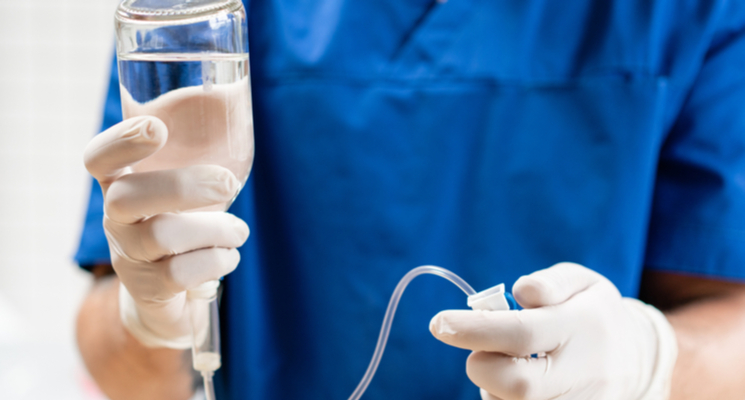

With advances in healthcare, patients increasingly have the option of receiving treatments in the comfort of their homes, and one such service is the Glucose Drip at Home. Doctors prescribe this therapy for specific medical situations where oral intake is insufficient or when rapid correction of low blood sugar is required. Understanding the reasons for its use helps patients and caregivers appreciate the medical rationale behind home-based glucose therapy and ensures safe, effective care.
Low Blood Sugar Levels:
One of the primary reasons doctors recommend a glucose drip is to manage hypoglycemia, or abnormally low blood sugar levels. This condition can cause dizziness, confusion, weakness, and, in severe cases, loss of consciousness. A glucose drip provides immediate energy by delivering sugar directly into the bloodstream, stabilizing the patient quickly.
Acute Dehydration:
Patients suffering from acute dehydration may also benefit from a home glucose drip. Dehydration can occur due to illness, fever, vomiting, or diarrhea, leading to fatigue, weakness, and electrolyte imbalance. Administering glucose intravenously helps restore hydration while providing energy support, aiding in faster recovery.
Inability to Eat or Drink:
Some patients cannot maintain adequate nutrition or fluid intake due to temporary medical conditions such as surgery, digestive issues, or severe nausea. In these cases, a glucose drip at home ensures the patient receives essential energy and hydration without the stress of visiting a hospital.
Recovery After Illness or Surgery:
Post-illness or post-surgical patients often experience fatigue and a temporary inability to consume sufficient nutrients. Doctors may prescribe glucose drips to support recovery, enhance energy levels, and promote overall well-being during this vulnerable period.
Support for Elderly or Mobility-Limited Patients:
Elderly patients or those with mobility challenges may find it difficult to visit a hospital for routine treatment. Home glucose drips allow these individuals to receive medical care without leaving their home, providing comfort, convenience, and continuity of care.
Temporary Nutritional Deficiencies:
In certain short-term cases, patients may experience a deficiency in energy or nutrients due to illness, fasting, or dietary restrictions. Doctors may recommend a glucose drip to quickly supplement energy levels and support metabolic function until normal intake is resumed.
Chronic Fatigue or Weakness:
Persistent fatigue, especially when linked to illness or recovery, may prompt a doctor to suggest a glucose drip. While it is not a cure for underlying conditions, the infusion can help provide temporary energy relief and support daily functioning.
Monitoring and Safety Considerations:
Even when medically indicated, glucose drips must be administered under professional supervision. Key safety measures include:
-
Ensuring correct glucose concentration and infusion rate
-
Maintaining sterile IV procedures to prevent infection
-
Monitoring vital signs and blood sugar levels during therapy
These precautions minimize risks and ensure effective treatment at home.
Situations Requiring Medical Caution:
Not all patients are suitable candidates for home glucose therapy. Doctors exercise caution with individuals who have:
-
Uncontrolled diabetes
-
Heart or kidney complications
-
Long-term nutritional requirements
In such cases, hospital-based care or alternative therapies may be safer and more effective.
Alternatives to Home Glucose Drips:
While glucose drips are useful for rapid energy and hydration support, some conditions may be managed with less invasive options, including:
-
Oral rehydration solutions
-
Nutritional supplements or fortified drinks
-
Dietary adjustments and monitoring
Doctors assess the most appropriate intervention based on the patient’s overall health and medical needs.
Final Thoughts
A Glucose Drip at Home is prescribed for specific medical reasons, including low blood sugar, dehydration, inability to eat or drink, recovery after illness, and temporary nutritional deficiencies. When administered under professional supervision, it offers a safe, convenient, and effective way to restore energy and hydration. Understanding the common medical indications ensures that patients and caregivers appreciate the therapy’s purpose and follow proper protocols to maximize its benefits while minimizing risks.