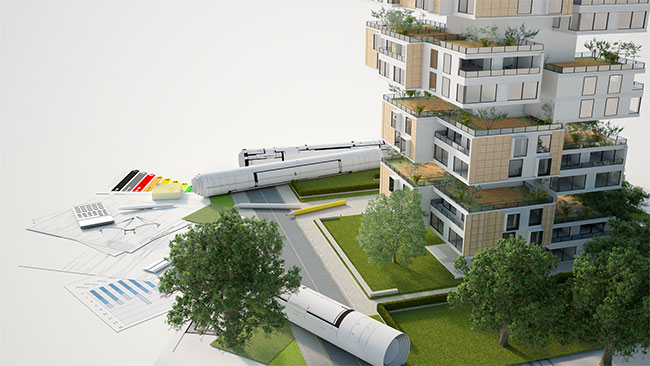

In today’s rapidly changing environment, architecture is no longer just about constructing buildings—it’s about creating spaces that respond intelligently to nature. Climate sensitive design is an approach that focuses on adapting buildings to local climatic conditions, ensuring comfort, efficiency, and sustainability.
With rising temperatures, unpredictable weather patterns, and increasing energy consumption, designing climate-responsive spaces has become essential. Many professionals offering Architecture Design Services are now prioritizing this approach to create buildings that are not only visually appealing but also environmentally responsible.
In this blog, we explore how climate sensitive design works and why it is crucial for better living in modern times.
What is Climate Sensitive Design?
Climate sensitive design refers to designing buildings based on the local climate to reduce energy use and improve comfort. Instead of relying heavily on artificial cooling or heating systems, it uses natural elements like sunlight, wind, and shading to maintain indoor conditions.
This concept is deeply rooted in traditional Indian architecture. Features like courtyards, jalis (perforated screens), and verandas were historically used to manage heat and airflow effectively.
Today, these ideas are being reinterpreted with modern techniques to create efficient and sustainable spaces.
Building Orientation: The First Step to Smart Design
One of the most important aspects of climate sensitive design is building orientation. The way a structure is positioned on a site directly impacts how much sunlight and heat it receives.
In hot climates, minimizing exposure to harsh west sunlight can significantly reduce indoor temperatures. Proper orientation also allows for better natural ventilation by aligning the building with prevailing wind directions.
A well-oriented building reduces energy consumption and enhances comfort throughout the year.
Natural Ventilation: Letting Spaces Breathe
Ventilation plays a key role in maintaining indoor comfort. Climate sensitive design encourages cross ventilation, where fresh air enters from one side and exits from another.
This can be achieved through:
- Strategically placed windows
- Open floor plans
- Ventilation shafts
Natural airflow reduces dependence on air conditioning while improving indoor air quality. It creates healthier living environments and adds to overall well-being.
Shading Devices: Controlling Heat Gain
Excessive heat gain is a major concern in many parts of India. Shading devices help control the amount of sunlight entering a building.
Common solutions include:
- Overhangs and chajjas
- Louvers and screens
- Pergolas and vertical fins
These elements block direct sunlight while still allowing natural light to enter. This balance helps maintain comfortable indoor temperatures without compromising brightness.
Thermal Mass & Insulation: Regulating Indoor Temperature
Materials play a crucial role in climate sensitive design. Certain materials, like stone and concrete, have high thermal mass, meaning they can absorb heat during the day and release it slowly at night.
This helps stabilize indoor temperatures and reduces the need for mechanical cooling.
Insulation is another important factor. Properly insulated walls and roofs prevent heat transfer, keeping interiors cooler in summer and warmer in winter.
Courtyards & Open Spaces: Nature Within Architecture
Courtyards are a powerful element in climate responsive design. They act as natural cooling systems by allowing hot air to rise and escape, while drawing in cooler air.
These spaces also:
- Bring natural light into interiors
- Improve air circulation
- Create a connection with nature
In dense urban settings, courtyards and open terraces provide much-needed breathing spaces that enhance both comfort and aesthetics.
Daylighting: Designing with Natural Light
Maximizing natural light is a key principle of climate sensitive architecture. Well-designed openings, skylights, and light wells ensure that daylight reaches deep into the building.
This reduces reliance on artificial lighting and creates a more pleasant indoor environment.
Daylit spaces not only save energy but also improve mood, productivity, and overall quality of life.
Water & Landscape Integration
Climate sensitive design also considers the role of water and landscaping in regulating temperature.
Features like:
- Water bodies
- Green roofs
- Shaded gardens
help cool the surrounding environment. Vegetation acts as a natural insulator and reduces heat absorption, making outdoor and indoor spaces more comfortable.
Why Climate Sensitive Design Matters Today
With increasing environmental challenges, climate responsive architecture is no longer optional—it is essential.
Key benefits include:
- Reduced energy consumption
- Lower utility bills
- Improved indoor comfort
- Enhanced environmental sustainability
Modern architecture services are evolving to integrate these strategies seamlessly into design, ensuring that buildings perform efficiently in the long run.
The Role of Expert Design
Implementing climate sensitive design requires a deep understanding of local climate, materials, and user needs. It is not just about adding features, but about creating a cohesive design strategy.
Firms like The Design Umbrella focus on delivering thoughtful and practical solutions that respond to both climate and lifestyle. Their approach ensures that every project is efficient, comfortable, and visually appealing.
By combining traditional wisdom with modern techniques, they create spaces that truly adapt to nature.
Conclusion
Climate sensitive design is shaping the future of architecture by aligning buildings with the natural environment. From orientation and ventilation to material selection and landscaping, every element plays a role in creating efficient and comfortable spaces.
As the demand for sustainable living grows, adopting climate-responsive strategies is the key to building smarter and healthier environments.
If you’re planning a new project or looking to upgrade your space, working with experts like The Design Umbrella can help you achieve a perfect balance between design, comfort, and sustainability.
Ready to design a space that works with nature, not against it?
Connect with expert architects today and take the first step toward smarter, climate-responsive living.