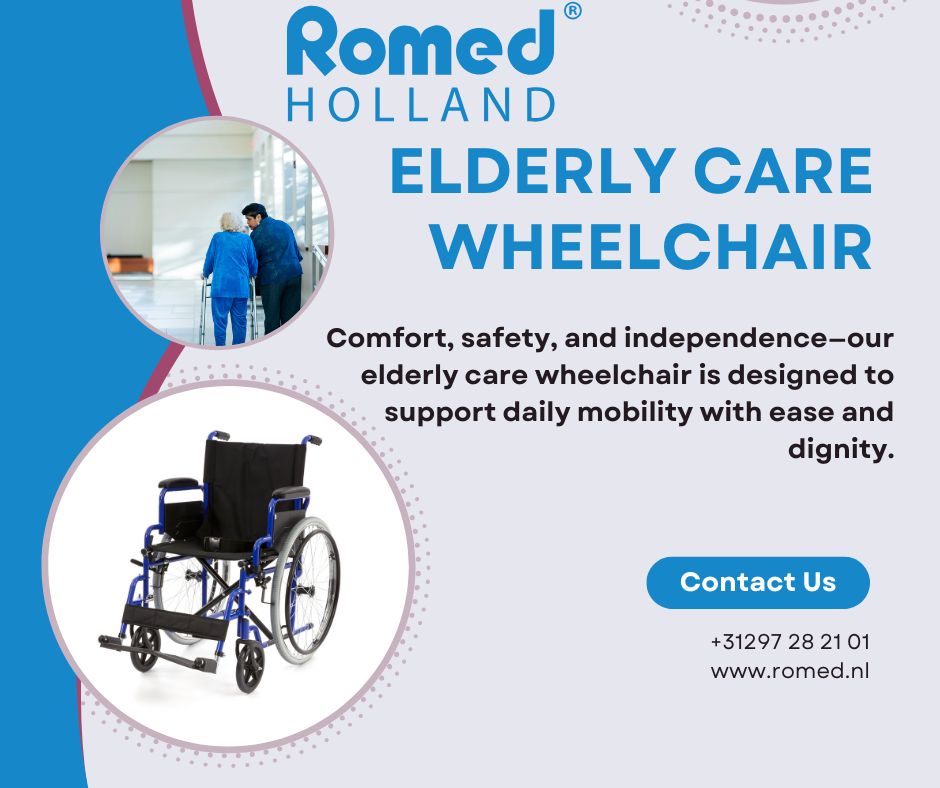

As people age, maintaining mobility becomes one of the most important factors in preserving independence and quality of life. For many seniors, a wheelchair is not just a mobility aid—it is a gateway to comfort, dignity, and active participation in daily routines. Choosing the right wheelchair for elderly care requires careful consideration of safety, physical support, and ease of use for both the user and the caregiver. Understanding these key aspects helps families and care providers make informed decisions that truly meet the needs of elderly individuals.
Understanding Elderly Mobility Needs
Every elderly person has unique mobility challenges. Some may need a wheelchair temporarily after surgery or injury, while others may rely on it full-time due to chronic conditions such as arthritis, stroke, osteoporosis, or neurological disorders. The first step in selecting a wheelchair is assessing the user’s level of mobility, balance, strength, and endurance.
For seniors who can walk short distances but tire easily, a lightweight or transport wheelchair may be sufficient. Those with limited upper-body strength or severe mobility limitations may require a standard or powered wheelchair. Consulting healthcare professionals such as doctors, physiotherapists, or occupational therapists can provide valuable guidance on the most suitable type.
Safety: A Top Priority in Elderly Care Wheelchairs
Safety is a non-negotiable factor when choosing a wheelchair for elderly care. Seniors are more vulnerable to falls, pressure injuries, and circulation issues, making proper design and features essential.
Wheelchairs should have sturdy frames and reliable braking systems to prevent unwanted movement during transfers or on slopes. Anti-tip wheels are especially important for elderly users, as they reduce the risk of the chair tipping backward. Lockable brakes allow caregivers to assist safely when the user is sitting down or standing up.
Seat belts or positioning straps can provide additional safety for seniors with limited trunk control. Proper footrests are also crucial, as poorly positioned feet can cause discomfort or lead to accidents. Ensuring that the wheelchair meets recognized safety standards offers peace of mind to both users and caregivers.
Comfort and Physical Support Matter
Comfort is closely linked to long-term health and well-being. Elderly individuals often spend extended periods in their wheelchairs, so adequate support is vital to prevent pain, fatigue, and pressure sores.
Seat cushioning plays a major role in comfort. High-quality cushions help distribute body weight evenly and reduce pressure on sensitive areas such as the hips and lower back. Adjustable backrests provide spinal support and promote good posture, which can reduce discomfort and breathing difficulties.
Armrests should be padded and positioned at a comfortable height to support the arms without causing shoulder strain. For seniors with limited mobility, swing-away or removable armrests make transfers easier. Headrests and reclining features may be beneficial for individuals who need additional neck or upper-body support.
Ease of Use for Seniors and Caregivers
A wheelchair should be easy to use not only for the elderly individual but also for caregivers. Complicated designs or heavy frames can make daily use challenging and physically demanding.
Lightweight wheelchairs are easier to maneuver and transport, making them ideal for home use and outings. Foldable designs allow for convenient storage and travel, especially for families who frequently move the wheelchair in and out of vehicles.
Wheel size and maneuverability also affect ease of use. Larger rear wheels allow some seniors to self-propel, promoting independence, while smaller wheels are suitable for caregiver-assisted mobility. Smooth-rolling casters and ergonomic hand grips reduce strain on caregivers during extended use.
Choosing Between Manual and Powered Wheelchairs
Manual wheelchairs are commonly used in elderly care due to their affordability, simplicity, and ease of maintenance. They are suitable for seniors who can self-propel or have consistent caregiver assistance.
Powered wheelchairs, on the other hand, offer greater independence for elderly users with limited strength or coordination. These wheelchairs are operated using a joystick or control panel and require minimal physical effort. While powered wheelchairs tend to be more expensive and require battery maintenance, they can significantly enhance mobility and confidence for some seniors.
Home Environment and Lifestyle Considerations
The living environment plays an important role in wheelchair selection. Narrow doorways, small rooms, or uneven flooring may require a compact and highly maneuverable wheelchair. For outdoor use, sturdy wheels and durable frames are essential to handle uneven surfaces.
Lifestyle factors such as social activities, medical appointments, and travel should also be considered. A wheelchair that fits seamlessly into daily routines encourages regular use and improves overall quality of life.
Making the Right Choice
Choosing the right wheelchair for elderly care is about more than selecting a product—it is about enhancing comfort, safety, and independence. By focusing on individual needs, prioritizing safety features, ensuring proper support, and selecting an easy-to-use design, families and caregivers can make a confident decision.
A well-chosen wheelchair empowers elderly individuals to remain active, engaged, and comfortable, supporting their dignity and well-being at every stage of life.