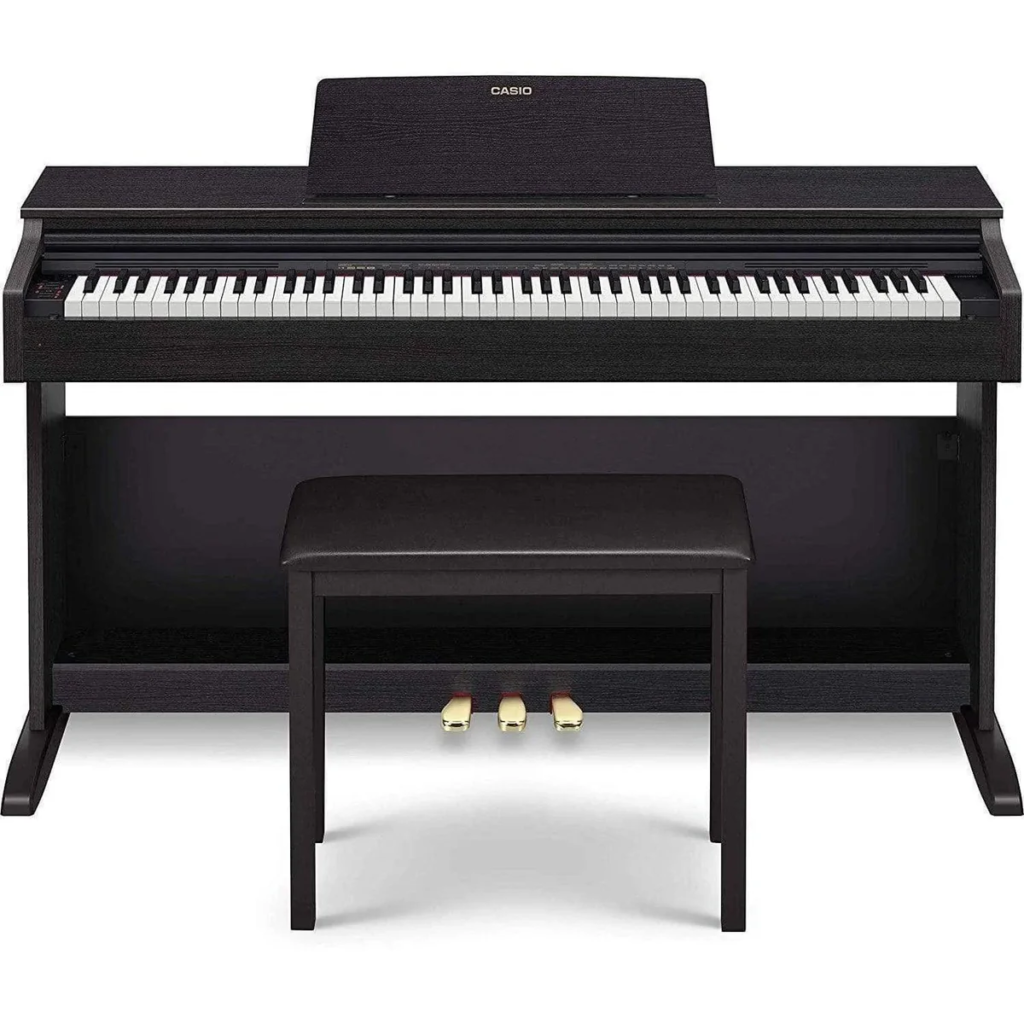


The way people learn, practice, and perform music has changed dramatically, and the digital piano has become central to this shift. Designed to replicate the expressive depth of an acoustic piano while offering modern flexibility, digital pianos fit seamlessly into homes, studios, schools, and performance venues. From beginners exploring their first melodies to experienced musicians refining technique, this instrument bridges tradition and technology without compromise. In urban music hubs like Dubai, where space, convenience, and quality matter equally, digital pianos have emerged as a practical yet refined choice.
Understanding What Makes a Digital Piano Different
A digital piano is built to emulate the touch, tone, and response of an acoustic piano using advanced sound sampling and weighted keys. Unlike traditional pianos, it does not rely on strings or hammers, which makes it easier to maintain and more adaptable to varied environments. Players can control volume, use headphones for silent practice, and access multiple tonal settings without affecting performance authenticity. This balance of realism and control is what makes digital pianos appealing across age groups and skill levels.
Key Action and Touch Sensitivity
One of the most important aspects of a digital piano is its key action. Weighted and graded hammer action keys replicate the resistance of acoustic piano keys, allowing players to develop proper finger strength and technique. Touch sensitivity further enhances expression by responding to how softly or forcefully a key is pressed. For learners, this builds a strong foundation, while advanced players benefit from nuanced control over dynamics and phrasing.
Sound Technology and Polyphony
Modern digital pianos use high-resolution sampling to capture the sound of concert-grade pianos. Polyphony, which refers to how many notes can sound simultaneously, ensures complex passages and pedal usage remain clear and uninterrupted. Higher polyphony allows for richer harmonies, layered textures, and realistic sustain, making the playing experience immersive rather than mechanical.
Exploring the Electric Grand Piano Experience
For those drawn to elegance and stage presence, the electric grand piano offers the visual impact of a grand piano combined with digital convenience. It features a sculpted cabinet, expansive sound projection, and advanced speaker systems, making it suitable for performances, hotels, event spaces, and refined home interiors. While traditional grand pianos require significant space and upkeep, electric grand pianos provide similar prestige with greater adaptability and lower maintenance.
Design Meets Performance
An electric grand piano is as much a design statement as it is a musical instrument. Its polished finish and grand silhouette elevate the atmosphere of any room. At the same time, integrated digital features such as recording functions, connectivity options, and multiple sound modes support modern performance and composition needs. This fusion of aesthetics and innovation makes it a popular choice for musicians who value both form and function.
Why Digital Pianos Are Popular in Dubai
The demand for digital piano Dubai searches reflects a growing interest in music education, home studios, and live performance culture. Residents often look for instruments that fit apartment living while still delivering professional sound quality. Climate considerations also play a role, as digital pianos are less affected by temperature and humidity changes compared to acoustic pianos. This reliability, combined with compact designs and advanced features, aligns perfectly with the city’s lifestyle.
Space, Silence, and Versatility
Digital pianos are ideal for shared living spaces. Headphone compatibility allows practice at any hour without disturbing others, while slim profiles make them easy to place in modern interiors. Many models also include learning tools, metronomes, and recording options, supporting structured practice and self-guided improvement. For educators and students alike, this versatility enhances consistency and progress.
Choosing the Right Digital Piano for Your Needs
Selecting the right instrument depends on skill level, usage, and personal preference. Beginners may prioritize ease of use and learning features, while intermediate players often look for realistic key action and sound depth. Advanced musicians focus on expressive control, connectivity for production, and performance-ready sound systems. Regardless of level, the goal is to choose a digital piano that inspires regular practice and musical growth.
Long-Term Value and Growth
A well-chosen digital piano supports progression over time. As skills develop, features such as recording, layering, and connectivity with apps or software become increasingly valuable. Investing in quality ensures the instrument remains relevant across different stages of musical development, reducing the need for frequent upgrades.
Conclusion
The modern digital piano is more than an alternative to an acoustic instrument; it is a complete musical solution that adapts to contemporary lifestyles. Whether you are drawn to the authenticity of weighted keys, the elegance of an electric grand piano, or the practicality demanded by urban living, the right choice enhances both learning and performance. For musicians exploring their options in Dubai, finding a trusted destination that understands these needs makes all the difference. Music Majlis stands as a reliable partner in this journey, offering guidance and access to instruments that support creativity, growth, and lasting musical expression.