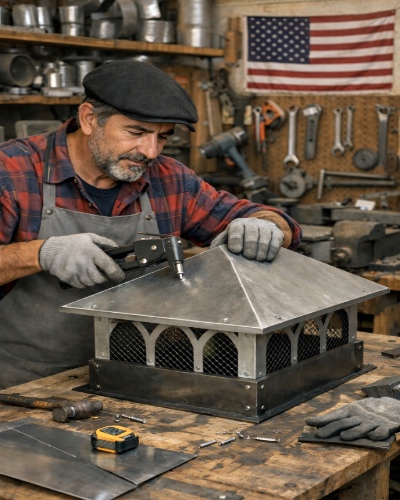

Water does not knock before it enters your chimney. It seeps through cracked crowns, worn flashing, and missing caps quietly destroying the masonry from the inside out. By the time you notice stains on your ceiling or smell mildew near your fireplace, the damage has already spread further than you think. Chimney repair services Newnan Georgia homeowners rely on exist for exactly this reason to catch what you cannot see and fix it before a small crack becomes a structural failure.
Water Is the Biggest Enemy Your Chimney Has
Most people think chimney fires are the main danger. Water damage actually causes more chimney deterioration in Newnan than fire does. The local climate humid summers followed by cool winters creates a relentless freeze-thaw cycle inside your masonry.
Here is how it works. Rain and moisture push into the tiny pores of your bricks and mortar. When temperatures drop, that moisture freezes and expands. Every freeze-thaw cycle pushes those cracks a little wider. Season after season, your chimney quietly weakens from the inside.
You cannot reverse that process once it reaches a critical point. You can only repair what remains and protect what is left. Acting early costs far less than waiting.
What Water Damage Actually Looks Like
Water damage in a chimney rarely announces itself clearly. Most homeowners only notice it once it has already reached the interior of the home. Knowing what to look for gives you the advantage.
Watch for these warning signs around your fireplace and chimney:
- White, chalky stains on the exterior bricks called efflorescence signal moisture pushing through the masonry
- Crumbling or flaking brick surfaces, known as spalling, mean water has already compromised the structure
- Rust stains around the damper or firebox point to trapped moisture inside the flue
- Water dripping into the firebox after rainfall means your cap, crown, or flashing has failed
- Damp spots or stains on walls or ceilings near the chimney indicate active water intrusion
Each of these signs points to a specific repair need. None of them disappear on their own.
The Parts of Your Chimney That Fail First
Understanding which components break down helps you have smarter conversations with repair professionals and catch problems earlier.
The chimney crown sits at the very top of the masonry structure. It is the concrete slab that covers the space between the flue liner and the outer edge of the chimney. A cracked crown is the single most common entry point for water. Once it cracks, every rain event pushes moisture directly into the masonry below.
The flashing is the metal strip that seals the joint where your chimney meets the roof. When it pulls away, rust, or loses its seal, water runs straight into your attic and walls. Many ceiling leaks blamed on the roof actually start at the chimney flashing.
The mortar joints between your bricks deteriorate faster than the bricks themselves. Once mortar crumbles, bricks shift. A structurally sound-looking chimney can be one bad storm away from significant damage if the mortar has weakened.
The flue liner protects your home from heat and combustion gases. Cracks in the liner allow dangerous exhaust to reach the wooden framing inside your walls. This is both a water issue and a fire safety issue at the same time.
Chimney Repair Services Newnan Georgia: What Repairs Actually Involve
Professional chimney repair in Newnan goes well beyond slapping mortar on a crack. Trained technicians assess the full system from the firebox at the base to the cap at the top before recommending any repair.
A standard repair process covers chimney crown sealing or replacement, tuckpointing deteriorated mortar joints, flashing repair or replacement, flue liner inspection and relining if needed, waterproofing treatment to the exterior masonry, and chimney cap installation or replacement.
Each repair serves a specific purpose. Waterproofing, for example, does not just make bricks look better it creates a breathable barrier that lets moisture escape from inside the masonry while blocking new water from entering. Without it, even freshly repaired bricks remain vulnerable.
Tuckpointing replaces old, crumbling mortar with fresh material that bonds the bricks firmly together. This restores structural integrity and stops water from finding its way through the joints. It also extends the life of the entire chimney by decades when done properly.
How Much Does Chimney Repair Cost in Newnan, GA?
Repair costs in Newnan vary depending on how far the damage has spread and what components need attention. Basic crown repair typically runs between $150 and $350. Flashing replacement costs between $200 and $600. Masonry repointing ranges from $500 to $2,000 depending on how many joints need work. Flue liner replacement sits between $1,000 and $5,000 for most residential chimneys.
Spalling brick repair averages $1,000 to $2,500, while a leaning chimney caused by foundation damage can cost $1,500 to $3,500 to stabilize. A full chimney rebuild which only becomes necessary when multiple systems have failed simultaneously runs significantly higher.
The most important cost comparison is not repair versus rebuild. It is repaired now versus water damage to your home structure, attic, and walls later. Water that enters through a failing chimney does not stay in the chimney.
Why Newnan Homes Face Higher Repair Risk
Older homes near Historic Downtown Newnan often have narrow flue liners and aging brick that absorbs moisture faster than modern materials. Many of these chimneys were built without proper waterproofing or with crowns that have long since cracked.
Newer builds in Coweta County face a different challenge prefabricated chimney systems with metal chase covers that rust through and allow water to pour into the chase from above. Both property types need consistent inspection and timely repair to stay ahead of the damage.
Protect Your Chimney Before the Next Rainy Season
Every week you delay chimney repair in Newnan, the water works deeper. Mortar softens. Bricks shift. Liners crack. The repair that costs a few hundred dollars today can become a multi-thousand-dollar rebuild by next year.
Professional chimney repair services Newnan Georgia homeowners schedule before the rainy season is the single most cost-effective home maintenance decision you can make for your fireplace system. Pair that repair with a properly fitted custom chimney cap like those offered by Custom Chimney Caps in Newnan and you cut your future repair risk dramatically. A cap built to your chimney’s exact dimensions keeps rain, wildlife, and debris out year-round.
Do not let another season pass without an inspection. Visit us today and protect your home before the damage spreads.
Frequently Asked Questions
How do I know if my chimney needs repair in Newnan, GA?
Look for white staining on the bricks, spalling or crumbling mortar, water dripping into the firebox, rust near the damper, or damp spots on walls near the chimney. Any one of these signs means you need a professional inspection right away.
What causes chimney water damage in Georgia?
Newnan’s humid summers and cool winters create freeze-thaw cycles inside the masonry. Rain drives moisture through cracked crowns, worn flashing, and open flues. Without a properly fitted cap and sealed crown, water finds a way in every season.
How much do chimney repairs cost in Newnan, Georgia?
Costs range from $150 for basic crown sealing to over $3,500 for structural repairs on a leaning chimney. Most homeowners pay between $500 and $2,000 for common repairs like flashing replacement, tuckpointing, and waterproofing.
Can I use my fireplace with chimney damage?
No. A cracked flue liner or blocked chimney forces combustion gases and carbon monoxide back into your living space. Stop using the fireplace and schedule a chimney inspection before lighting another fire.
How often should Newnan homeowners schedule chimney inspections?
At least once a year, ideally before the heating season starts. Homes with older brick chimneys or heavy fireplace use may need inspections twice yearly to stay ahead of moisture damage and creosote buildup.