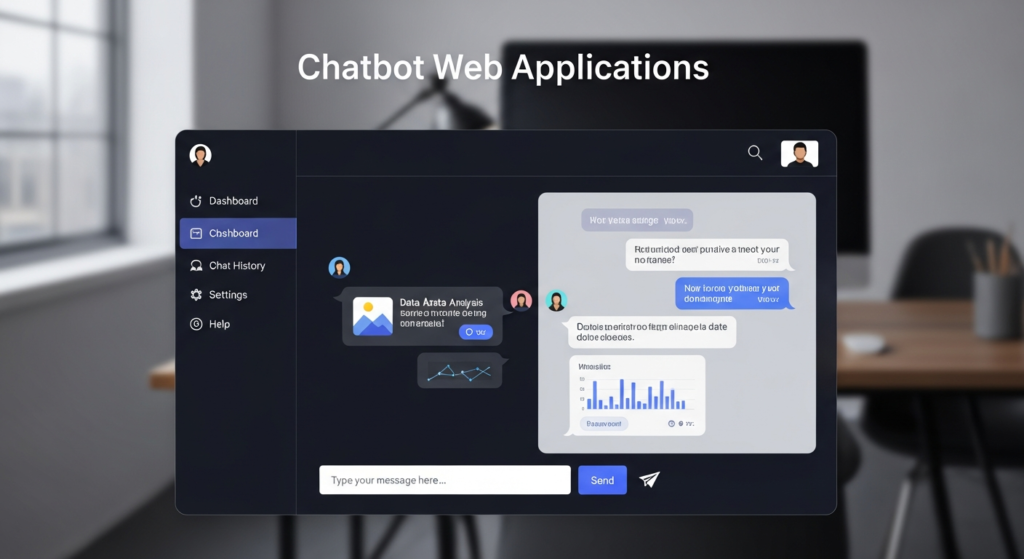

The modern digital landscape is defined by a single, uncompromising metric: the speed of relevance. As consumer patience hits an all-time low, businesses are pivoting toward chatbot web applications to bridge the gap between user intent and instant resolution. This transition is not merely about replacing human labor with automated scripts; it is a profound reimagining of the corporate interface. By embedding intelligence directly into the web experience, brands are moving away from reactive support and toward a model of “agentic” action that drives growth, loyalty, and efficiency around the clock.
The Dawn of the Action-Oriented Interface
For years, digital bots were seen as glorified FAQ search bars—helpful for finding a return policy, perhaps, but ultimately limited. However, modern chatbot web applications have undergone a massive evolution. Today’s AI agents, powered by Large Language Models (LLMs) and advanced Natural Language Processing, don’t just point users toward a resource—they execute the task. Whether it is processing a complex return, generating a custom B2B quote, or scheduling a multi-party meeting across time zones, these applications function as autonomous employees capable of closing the loop on a transaction without human intervention.
As highlighted by the experts at ChatbotsWeb, this “action-oriented” approach is what differentiates a market leader from a laggard. When a customer can resolve a billing issue or complete a purchase at 3 AM without waiting for a support ticket to be opened, the friction of the buyer’s journey is virtually eliminated. This leads to a direct, measurable spike in conversion rates and a significant reduction in the dreaded “abandonment rate” that plagues traditional e-commerce.
Hyper-Personalization in a Post-Cookie World
With traditional tracking methods like third-party cookies fading into obsolescence due to privacy regulations, the ability to capture first-party data has become the new corporate gold rush. Chatbot web applications serve as the perfect medium for this exchange. Unlike passive tracking, every chat interaction is a voluntary data exchange where a user expresses their needs, preferences, and pain points in plain, natural language.
By integrating these applications with a company’s internal CRM and data lakes, businesses can achieve hyper-personalization at a global scale. When a returning visitor arrives, the bot recognizes them, references their specific history, and offers tailored recommendations. This “digital concierge” level of service—once reserved for high-value VIP clients in luxury sectors—is now accessible to every single visitor. This fosters a deeper emotional connection with the brand, as the customer feels “seen” and understood by the digital interface.
Operational Resilience and Strategic Cost Optimization
The economic case for adopting sophisticated chatbot web applications is undeniable. In a volatile global market, the ability to scale support and sales functions without a corresponding increase in headcount is a massive competitive advantage. These applications allow businesses to:
-
Deflect Routine Volume: Offload up to 85% of repetitive inquiries (such as “Where is my order?” or “How do I reset my password?”) to automated systems that never tire.
-
Optimize Human Talent: By removing the “drudge work,” companies can redirect their human agents to handle high-stakes, emotionally sensitive, or technically complex cases that require genuine empathy and creative problem-solving.
-
Scale Without Limits: A chatbot can handle ten thousand simultaneous conversations with the same level of accuracy and brand-voice consistency as a single query, providing a buffer against seasonal spikes or viral marketing surges.
According to insights from ChatbotsWeb, the reduction in training overheads is another hidden gem of this technology. Unlike human staff, who require weeks of onboarding, a chatbot’s knowledge base is updated instantly. When a new product launches or a policy changes, the bot is “retrained” across all sessions globally in a matter of seconds.
Proactive Engagement: Intervening Before the Bounce
The era of “wait-and-see” marketing is officially over. Modern chatbot web applications are increasingly proactive, monitoring real-time user behavior to identify friction points before they lead to a bounce. If a user lingers on a pricing page for too long or repeatedly fails to apply a discount code in the cart, the bot can intervene with a helpful, context-aware prompt.
This real-time intervention saves countless transactions that would otherwise be lost to “tab-switching” or simple frustration. Research shows that a well-timed, proactive nudge from an AI assistant can increase checkout completion by over 20%. It transforms the website from a static brochure into a dynamic, responsive sales environment that adapts to the visitor’s psychological state and browsing intent.
The Competitive Edge of “Low-Code” Deployment
One of the most significant changes in the last two years is the democratization of this technology. Previously, building a high-level chatbot web application required a massive team of data scientists and months of development. Today, modular, low-code platforms allow even small to medium-sized enterprises (SMEs) to deploy sophisticated interfaces in a matter of days.
This accessibility means that the playing field is being leveled. A boutique agency or a local retailer can now offer the same level of 24/7, multi-lingual professional service as a Fortune 500 company. As noted by ChatbotsWeb, the future of business isn’t just about who has the best product, but who provides the most frictionless experience. By placing a smart, responsive chatbot at the center of the web experience, companies are ensuring they are ready for the next decade of digital evolution.
Final Word: The Connectivity Tissue of the Enterprise
Ultimately, chatbot web applications are becoming the connective tissue of the modern enterprise. They are no longer isolated widgets sitting in the bottom-right corner of a landing page; they are deeply integrated into ERPs, inventory management systems, and sales funnels. By making every part of a business accessible through a simple conversation, companies are not just improving efficiency—they are humanizing the digital experience for a global audience. The businesses that embrace this conversational shift today are the ones that will define the market of tomorrow.
👉 Read the full article here: https://www.chatbotsweb.com/chatbot-web-applications-transform-business/
#AIStrategy #BusinessAutomation #CustomerExperience