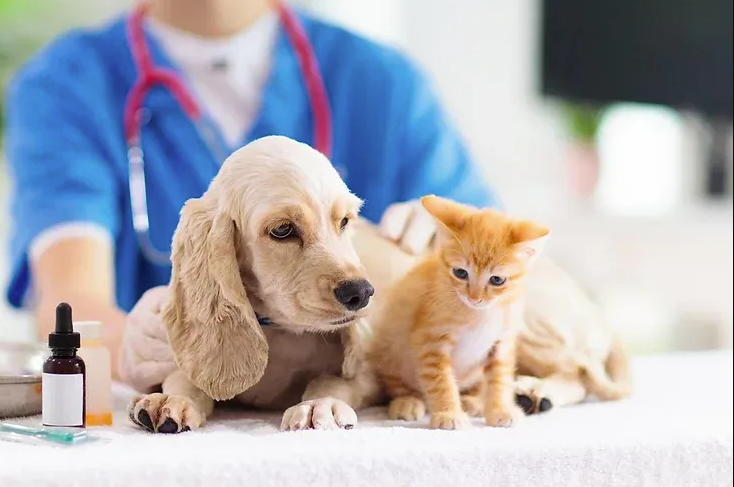

You never plan for your cat to get sick. Yet illness and injury can strike at any age. Cat insurance helps you prepare for those moments before they happen. It gives you a safety net when vet bills rise fast and decisions must be made quickly.
Many owners face one hard truth. Advanced treatment costs more than routine care. Surgery, scans, and hospital stays can stretch any budget. Planning ahead protects both your savings and your cat’s future.
Why Long-Term Planning Matters
Cats live longer today than ever before. Indoor cats often reach 15 years or more. With longer life comes higher risk of chronic disease.
Your cat may develop diabetes, kidney disease, or arthritis. These conditions need steady care. Costs add up over time.
Accidents also happen without warning. A fall, a blocked intestine, or a swallowed object can lead to emergency surgery. In that moment, you want choices. You do not want limits set by money.
Long-term protection means you can approve treatment with confidence. You focus on recovery, not cost.
What Cat Insurance Covers
Most plans focus on unexpected events. They help cover illnesses, injuries, and medically needed surgery. Coverage often includes:
- Diagnostic tests such as bloodwork and X-rays
- Ultrasound and advanced imaging
- Emergency visits and hospitalization
- Surgery for accidents or disease
- Prescription medications
- Ongoing care for chronic conditions
Many providers reimburse 70% to 90% of eligible costs. You pay the clinic first. Then you submit a claim and receive repayment based on your plan.
This structure gives you freedom. You can visit your trusted veterinarian without network limits.
What Plans Often Exclude
No plan covers everything. Pre-existing conditions usually stay excluded. If your cat had a health issue before enrollment, insurance may not pay for related care.
Routine wellness care also falls outside most core plans. Annual exams, vaccines, and dental cleanings may require a separate add-on.
Waiting periods apply as well. Illness coverage often starts after two weeks. Accident coverage may start sooner.
Read each policy with care. Look at deductibles, reimbursement rates, and annual limits. Small details shape your real protection.
Deductibles, Limits, and Real Costs
A deductible is the amount you pay before coverage begins. Some plans use an annual deductible. Others apply it per condition.
Reimbursement rates matter just as much. An 80% rate means you pay 20% after the deductible. Over time, that difference can feel large.
Monthly premiums vary by age, breed, and location. Younger cats cost less to insure. Older cats often cost more.
The best time to enroll is early. Waiting increases the risk of exclusions. Early coverage protects your cat before problems start.
Cat Insurance for Surgery and Emergencies
Serious surgery can cost thousands of dollars. Tumor removal, fracture repair, or abdominal surgery requires skill and advanced tools.
When your cat needs urgent care, delay can harm recovery. Insurance helps you act fast. You approve surgery based on medical advice, not fear of cost.
Emergency hospitals use modern diagnostics and trained staff. These services save lives. They also raise expenses.
Financial protection removes hesitation. It lets you focus on the outcome.
Pet Surgery Insurance Calgary: Why Local Costs Matter
Veterinary care in Calgary reflects advanced standards and skilled teams. With that quality comes higher fees. Complex surgery requires anesthesia, monitoring, and post-operative care.
Pet surgery insurance Calgary plans help offset these costs. They cover medically necessary procedures linked to illness or injury.
If your pet faces emergency surgery, you pay the invoice first. Then you submit medical records and receipts. Reimbursement follows based on your policy terms.
Local owners choose pet surgery insurance Calgary options to avoid sudden financial strain. It offers support when timing feels urgent.
This type of coverage also supports referral care. Specialists often handle orthopedic or complex internal cases. Insurance makes those referrals easier to approve.
Chronic Illness and Ongoing Care
Not all health problems resolve quickly. Diabetes needs insulin and testing. Kidney disease requires blood checks and diet support.
Insurance helps manage these long-term costs. Many plans continue coverage as long as you renew without lapse.
That continuity matters. Chronic care can last years. Even moderate monthly costs build over time.
With steady support, you can follow your veterinarian’s full treatment plan. You avoid skipping visits or tests.
Choosing the Right Policy
Start with your cat’s age and health status. Younger cats benefit from broader coverage. Senior cats may need plans focused on illness support.
Compare annual limits. Higher limits provide stronger protection for major events.
Check how claims work. Simple online portals save time during stress.
Ask about lifetime coverage for conditions. Some plans reset limits each year. Others track by condition.
Think long term. Cheap premiums may hide low limits or strict caps.
You want stability, not surprises.
Signs You Should Act Now
Every day without coverage carries risk. An accident can happen tonight. A diagnosis can come at the next exam.
Enrollment early reduces exclusions. It locks in coverage before illness appears.
Waiting often costs more in the long run. You cannot insure a problem once it exists.
Your goal is peace of mind. That peace starts before crisis.
Pain Points Owners Face
Owners often share the same fear. They worry about choosing between cost and care.
Some delay treatment. Others borrow money or use credit.
Stress grows fast in emergencies. Clear financial support reduces that burden.
Insurance does not remove emotion. It removes hesitation.
That difference feels huge when your cat lies on the exam table.
FAQs About Cat Insurance
- Does cat insurance cover pre-existing conditions?
Most plans do not cover health issues diagnosed before enrollment. - How long is the waiting period?
Illness coverage often begins after about 14 days. Accidents may start sooner. - Can I use any veterinarian?
Most reimbursement plans let you visit any licensed clinic. - Does pet surgery insurance Calgary include emergency operations?
Yes, if the surgery treats a covered accident or illness. - Is it worth getting coverage for indoor cats?
Yes. Indoor cats still face illness, dental disease, and sudden injury.
Protect Your Cat’s Future With Confidence
You protect your home and car. Your cat deserves the same foresight. Cat insurance builds a plan for years, not weeks. It shields you from sudden bills and hard choices.
If you want guidance on preventive care, surgery options, or long-term wellness, speak with a trusted veterinary team. Silverado Veterinary Hospital supports informed decisions and compassionate treatment. Visit us to discuss your cat’s health plan and explore smart ways to prepare for the future.