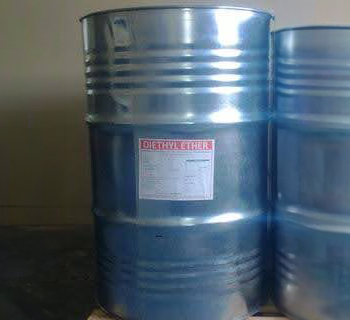

In the expansive world of industrial and laboratory chemicals, certain compounds play a uniquely vital role due to their versatility and utility. One such chemical is CAS No 60-29-7, widely known by its common name diethyl ether. This colorless, highly volatile liquid with the formula (C₂H₅)₂O is foundational in laboratories, pharmaceutical processes, and numerous industrial applications. For businesses and researchers requiring reliable supplies of high-quality diethyl ether, India has emerged as a strong manufacturing hub.
Understanding CAS No 60-29-7
At its core, CAS No 60-29-7 refers to diethyl ether, also sometimes called ethyl ether or ethoxyethane. It’s one of the oldest known anesthetic agents and remains invaluable as a solvent due to its excellent ability to dissolve fats, oils, waxes, and a variety of organic compounds. Its low boiling point and strong solvency make it ideal for organic synthesis, extraction processes, and analytical chemistry.
But along with its utility comes a need for careful handling. Diethyl ether is extremely flammable, and under certain conditions can form peroxides — explosive compounds that necessitate robust safety protocols during production, storage, and transport.
Why India Is a Key Producer
India’s chemical manufacturing sector is known for its flexibility, cost-effectiveness, and growing capability to meet international quality standards. These advantages have fostered a strong domestic base of manufacturers producing CAS No 60-29-7, making India an increasingly important supplier both for internal markets and for export.
A few of the factors driving India’s foothold include:
- Robust Chemical Industry Infrastructure: Industrial regions across India have dedicated chemical parks, advanced storage facilities, and access to essential utilities, enabling scalable production of solvents like diethyl ether.
- Global Compliance and Certifications: Indian manufacturers often adhere to international quality systems (e.g., ISO standards), ensuring their products meet stringent purity and performance benchmarks required by pharmaceutical, research, and industrial buyers.
- Strategic Geographic Position: With convenient shipping access to Europe, Asia, and Africa, Indian producers are well-placed to serve global buyers with competitive pricing and reliable supply chains.
Applications Across Industries
Manufacturers producing CAS No 60-29-7 serve a broad cross-section of industries due to the chemical’s many uses:
Laboratory and Research
Diethyl ether remains a staple solvent in labs for organic reactions, extractions, and chromatography due to its non-polar nature and ability to dissolve a wide range of substances. Researchers depend on consistent quality to ensure reproducible results.
Pharmaceutical Manufacturing
In pharmaceutical settings, diethyl ether does not usually act as an active ingredient but serves as a solvent or processing agent in the synthesis of intermediates and APIs (Active Pharmaceutical Ingredients). Its reliability and purity are mission-critical for safe drug manufacture.
Industrial Applications
Beyond research and pharma, diethyl ether is used in industrial extraction processes, formulation of specialty chemicals, and sometimes in niche applications like gasoline additives or cleaning agents for precision parts due to its high solvency.
Quality Control and Safety in Manufacturing
Producing a chemical like CAS No 60-29-7 is not just about mixing raw materials — it requires strict control and rigorous testing to ensure purity and safety:
- Purity Testing: High-performance gas chromatography (GC) and other analytical techniques are routinely used to ensure that diethyl ether meets stringent purity specifications, often above 99%.
- Peroxide Testing: Since ethers can form explosive peroxides over time, manufacturers test for and limit these impurities, often adding stabilizers to enhance storage safety.
- Regulatory Compliance: Producers must adhere to local and international chemical handling regulations, including environmental management, workplace safety protocols, and waste disposal practices.
These measures not only protect workers and end-users, but also provide downstream consumers — such as laboratories and industrial facilities — with confidence in product performance and safety.
Trends and Future Outlook
The global demand for diethyl ether and other specialty solvents is expected to remain strong, driven by ongoing research in pharmaceuticals, biotechnology, and chemical synthesis. India’s position as a cost-efficient, quality-focused manufacturing base will likely continue to strengthen as industry adopts more sustainable and automated production technologies.
Additionally, with increasing global emphasis on safety and environmental compliance, manufacturers are investing in greener processes and improved supply chain traceability. This transformation aligns with broader industry movements toward sustainability without compromising on product quality or performance.
Conclusion
CAS No 60-29-7 — diethyl ether — is more than just a chemical solvent. It’s a foundational compound with wide-ranging applications in science, industry, and medicine. India’s manufacturers have risen to meet both domestic and international demand by emphasizing quality, safety, and reliability. For businesses and researchers seeking consistent, high-grade supplies, understanding the manufacturing landscape in India provides insight into the broader global chemical supply ecosystem.
Whether for laboratory work, industrial processing, or pharmaceutical synthesis, India’s production of CAS No 60-29-7 continues to play a crucial role in enabling innovation and progress across multiple industries.
Other recommended Link: Triethyl Citrate Exporter From India