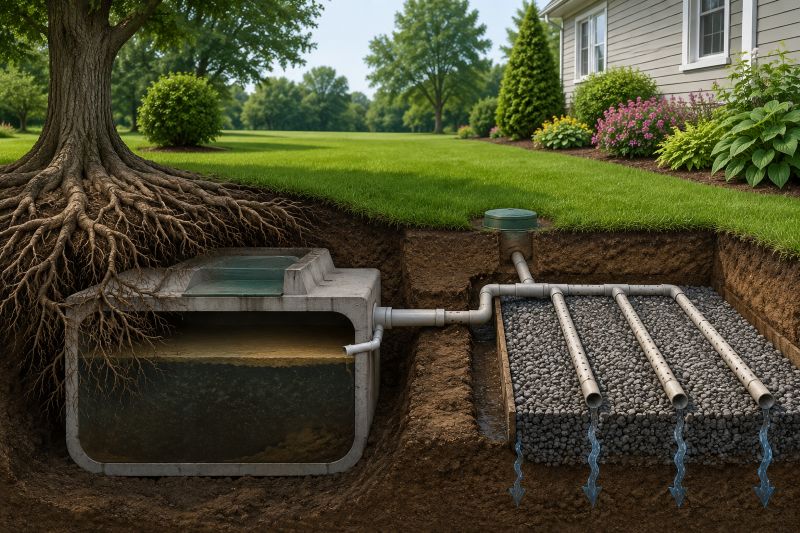

A beautiful yard can raise property value, improve curb appeal, and create a more enjoyable outdoor space. However, many homeowners do not realize that landscaping decisions can directly affect the health and performance of a septic system. Trees, gardens, patios, drainage designs, and even decorative features can either support or damage your septic setup over time.
For homeowners who rely on septic systems, understanding this connection is essential. Poor landscaping choices may lead to slow drains, sewage backups, saturated lawns, foul odors, and costly repairs. On the other hand, smart planning can protect your investment and improve long-term septic performance.
If you are considering landscaping upgrades or scheduling septic tank pumping Miami FL services, it is important to know how outdoor design impacts your septic system.
Understanding How a Septic System Works
Before exploring landscaping concerns, it helps to understand the basic function of a septic system.
A typical residential septic system includes:
- A septic tank that collects and separates wastewater
- Drain pipes that carry liquid waste
- A drain field where wastewater filters naturally into the soil
The system depends heavily on proper soil absorption and balanced water flow. Any disruption around the tank or drain field can interfere with this process.
Landscaping becomes a major factor because roots, soil compaction, excess water, and construction pressure can damage these components.
How Landscaping Can Damage Septic Tank Performance
Many common landscaping projects unintentionally create problems for septic systems.
Tree Roots Can Invade Pipes and Tanks
Tree roots are one of the most common causes of septic system damage. Roots naturally seek moisture and nutrients, making septic pipes and drain fields highly attractive.
Aggressive root systems from trees such as:
- Oak
- Willow
- Maple
- Bamboo
- Ficus
can infiltrate septic pipes and create blockages or cracks.
Once roots enter the system, wastewater flow becomes restricted. Over time, this may lead to backups, standing water, or complete drain field failure.
Homeowners often assume mature trees are safe because they have existed for years. However, roots continue expanding underground even when visible growth slows.
Soil Compaction Reduces Drain Field Efficiency
Heavy landscaping equipment, vehicles, or hardscape installations can compact soil around the drain field.
Compacted soil reduces oxygen flow and limits the soil’s ability to absorb wastewater properly. This can result in:
- Water pooling
- Slow drainage
- Sewage odors
- System overload
Driveways, sheds, fire pits, and patios should never be placed over septic system components unless specifically approved by septic professionals.
Excess Water Saturates the Drain Field
Landscaping that directs excess rainwater toward the drain field can overwhelm the septic system.
Examples include:
- Improper gutter drainage
- Sloped yards
- Irrigation overspray
- Retaining walls that trap water
When the soil becomes oversaturated, wastewater cannot filter effectively. This may force untreated wastewater back toward the home or onto the lawn surface.
In areas with heavy seasonal rainfall, proper grading becomes especially important.
Landscaping Choices That Support Septic Health
The good news is that smart landscaping can actually improve septic system performance.
Choose Septic-Friendly Plants
Certain plants work well near septic systems because they have shallow root systems and low water demands.
Recommended options include:
- Native grasses
- Wildflowers
- Ground covers
- Small perennials
These plants help prevent erosion while avoiding root intrusion risks.
Grass is often considered the best choice for drain fields because it absorbs moisture naturally and stabilizes the soil without aggressive root growth.
Maintain Proper Drainage
A reliable drainage strategy is essential for long-term septic health.
Professional landscaping designs should direct water away from:
- Septic tanks
- Distribution boxes
- Drain fields
Downspouts and sump pump discharge lines should also drain far from septic areas.
Well-experienced contractors often use grading techniques and French drains to reduce standing water problems while protecting the septic system.
Keep Heavy Structures Away
Permanent structures should never interfere with septic access or drain field operation.
Avoid placing these items above your septic system:
- Pools
- Concrete slabs
- Gazebos
- Outdoor kitchens
- Large decorative boulders
These features increase soil pressure and make future maintenance difficult.
Keeping access points clear also helps trusted septic professionals perform inspections and septic tank pumping Miami FL services efficiently.
Real-World Example: Landscaping Mistakes That Led to Septic Failure
A homeowner in South Florida invested heavily in a backyard redesign that included palm trees, a decorative retaining wall, and a paved entertainment area.
Within two years, the property developed several septic problems:
- Slow drains inside the home
- Persistent sewage odors
- Wet spots in the yard
After inspection, technicians discovered multiple issues caused by the landscaping project.
The retaining wall redirected rainwater directly into the drain field, oversaturating the soil. In addition, palm roots had entered aging pipes through small cracks. The paved patio also compacted part of the drain field area.
The homeowner ultimately required costly repairs, including partial drain field replacement.
This case highlights why landscaping plans should always consider septic system locations before construction begins.
Why Regular Septic Tank Pumping Matters
Even the best landscaping cannot compensate for poor septic maintenance.
Routine septic tank pumping removes accumulated solids before they clog pipes or overflow into the drain field.
Without regular pumping, solids can enter the drain field and permanently damage soil absorption capacity.
For many households, industry-leading septic professionals recommend pumping every three to five years. However, frequency depends on:
- Household size
- Water usage
- Tank capacity
- Garbage disposal use
In regions with high groundwater levels and frequent storms, maintenance becomes even more important.
Homeowners seeking reliable septic tank pumping Miami FL services should work with providers familiar with local soil conditions and environmental challenges.
Warning Signs Your Landscaping May Be Affecting Your Septic System
Some septic issues develop gradually and become more expensive if ignored.
Watch for these signs:
Slow Indoor Drains
If sinks, tubs, and toilets drain slowly throughout the home, the septic system may be struggling.
Standing Water in the Yard
Pooled water near the drain field often signals oversaturation or drainage failure.
Unpleasant Odors
Sewage smells around the yard indicate wastewater may not be filtering properly.
Bright Green Grass Over the Drain Field
While healthy grass is normal, unusually lush patches can signal leaking wastewater.
Gurgling Pipes
Air trapped in damaged or blocked septic lines may create bubbling or gurgling sounds indoors.
Early intervention from a top-rated septic company can prevent more severe system damage.
Best Landscaping Practices for Septic System Longevity
Protecting your septic system requires ongoing awareness.
Map Your Septic System
Many homeowners do not know the exact location of their septic tank and drain field.
Before starting any landscaping project:
- Locate all septic components
- Mark boundaries clearly
- Share layouts with contractors
This prevents accidental excavation or construction damage.
Limit Irrigation Near the Drain Field
Overwatering can reduce drain field effectiveness.
Use water-efficient irrigation methods and avoid sprinkler overspray in septic areas.
Innovative smart irrigation systems can help reduce unnecessary water exposure.
Avoid Chemical Overuse
Excess fertilizers, pesticides, and herbicides can disrupt the natural bacteria inside the septic system.
These bacteria are essential for breaking down waste properly.
Use environmentally friendly products whenever possible.
Schedule Professional Inspections
Routine inspections help identify developing problems before they become expensive emergencies.
A proven septic maintenance strategy typically includes:
- Regular inspections
- Scheduled pumping
- Drain field monitoring
- Root intrusion checks
Experienced septic professionals can also evaluate whether landscaping changes may create future risks.
The Importance of Hiring Septic-Aware Landscapers
Not all landscapers understand septic system requirements.
Before hiring a landscaping contractor, ask whether they have experience working around septic systems.
A knowledgeable team should understand:
- Safe planting distances
- Drainage control
- Soil protection
- Equipment limitations
- Septic access requirements
Choosing a user-friendly, results-driven contractor who coordinates with septic experts can save thousands in future repair costs.
Why South Florida Homes Face Unique Septic Challenges
Homeowners in South Florida often encounter additional septic concerns due to:
- High water tables
- Sandy soil conditions
- Frequent storms
- Heavy rainfall
- Dense landscaping
These environmental factors increase the risk of drain field saturation and erosion.
As landscaping trends continue evolving toward tropical designs with large palms and dense vegetation, septic protection becomes even more critical.
Working with affordable and trusted local professionals helps homeowners balance aesthetics with long-term septic reliability.
Conclusion
Landscaping can absolutely affect septic tank performance, both positively and negatively. Tree roots, excess water, soil compaction, and poor construction planning can shorten the lifespan of a septic system and lead to expensive repairs.
However, thoughtful landscaping choices can help maintain healthy drainage, reduce erosion, and protect critical septic components for years to come.
Homeowners should always consider septic system placement before installing trees, patios, irrigation systems, or hardscape features. Combining smart landscaping with regular maintenance and septic tank pumping Miami FL services creates a high-performance septic system that operates efficiently and reliably.
For long-term protection, partnering with experienced professionals like Septic Masters can help homeowners avoid preventable damage while keeping their septic systems functioning at their best.