
Losing a single tooth is unsettling enough. Losing several — whether due to decay, gum disease, an accident, or years of neglect — can feel genuinely overwhelming. Many people in India live with multiple missing teeth far longer than they should, partly because they are unsure whether implants are even an option for them, and partly because of the myths that swirl around the procedure. The truth is that dental implants are one of the most versatile, durable solutions available today, capable of replacing anywhere from one tooth to an entire arch. But making a confident decision requires separating fact from fiction, understanding what aftercare actually looks like, and knowing what to expect years down the line.
The Reality of Replacing Multiple Teeth with Implants
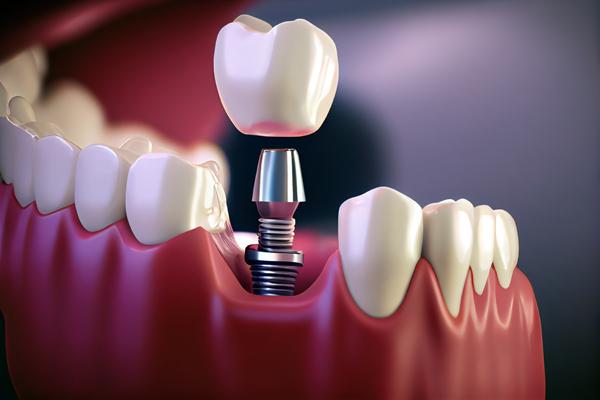
Dental implants work by anchoring a titanium post into the jawbone, which then fuses with the bone through a process called osseointegration. This creates a stable, permanent foundation for a crown, bridge, or even a full-arch prosthetic. When it comes to multiple missing teeth, there are several approaches your dentist might recommend depending on your specific situation.
Individual Implants for Each Gap
Where multiple teeth are missing in different locations, individual implants may be placed for each gap. This is the most natural-feeling option because each tooth functions independently, just like your natural teeth would. Cleaning is easier too, since there are no connectors bridging the gaps.
Implant-Supported Bridges
If you are missing several consecutive teeth, an implant-supported bridge is a practical solution. Instead of placing an implant for every missing tooth, two implants are used to anchor a bridge of three, four, or even more teeth. This reduces the number of surgical procedures required while still delivering excellent stability and function.
All-on-4 and Full-Arch Solutions
For those who have lost most or all of their teeth, the All-on-4 technique allows an entire arch of teeth to be supported by just four strategically placed implants. This has transformed tooth replacement for many patients who previously thought full dentures were their only option.
Common Myths That Stop People from Seeking Treatment
Misinformation about dental implants is surprisingly widespread — and it keeps many people from exploring a solution that could genuinely improve their quality of life. Let us address a few of the most common misconceptions.
Myth: Implants Are Only for Young People
Age is not a barrier to implants. Provided your bone density is adequate and you are in reasonable general health, implants can be placed at 50, 60, or even older. The more relevant factor is bone volume, not age. In cases where bone loss has occurred, a bone graft procedure can often restore enough structure for implant placement.
Myth: The Procedure Is Excruciatingly Painful
Most patients report that the procedure itself, performed under local anaesthesia, is far more comfortable than they expected. Post-surgical soreness is manageable with standard pain relief and typically resolves within a few days. It is the anticipation, not the reality, that people find most difficult.
Myth: Implants Do Not Last
With proper care, dental implants can last 20 to 30 years or more — many last a lifetime. The crown on top may need replacement after 10 to 15 years due to normal wear, but the implant post itself is extraordinarily durable.
Consulting a Dental Implant Specialist in Ujjain ensures the procedure is carried out with the precision that longevity demands.
Aftercare in the Days and Weeks Following Placement
The success of your implant depends enormously on how well you look after yourself in the early healing phase. This period — typically the first two to four weeks — is when the implant begins its integration with your bone, and disrupting that process can lead to complications.
Immediate Post-Procedure Care
For the first 24 to 48 hours, avoid rinsing vigorously, spitting forcefully, or drinking through a straw. These actions create suction that can dislodge the blood clot essential for healing. Stick to soft foods — think dal, khichdi, curd, or mashed vegetables — and avoid anything too hot, hard, or chewy. Gentle salt-water rinses can begin after the first day to keep the area clean.
Managing Swelling and Discomfort
Some swelling is entirely normal and usually peaks around 48 hours post-surgery. An ice pack applied to the outside of the cheek in the first day helps manage this. Take prescribed medications exactly as directed. If pain or swelling worsens significantly after the third day rather than improving, contact your dentist promptly as this can indicate an infection.
Long-Term Maintenance — What the Years Ahead Look Like
One of the great advantages of implants over dentures or bridges is that long-term maintenance is remarkably close to caring for your natural teeth. That said, “close to” is not the same as “identical,” and a few specific habits matter enormously for multi-decade success.
Brushing twice daily with a soft-bristled toothbrush is non-negotiable. Implant crowns are not susceptible to cavities the way natural teeth are, but the gum tissue and bone around the implant absolutely can become infected — a condition called peri-implantitis, which is the leading cause of implant failure in the long term. Flossing or using an interdental brush daily removes the plaque that accumulates around the implant base. Water flossers are particularly effective and worth considering if you have multiple implants or an implant-supported bridge.
High-Quality Dental Implants, combined with disciplined oral hygiene, are the strongest predictor of long-term success.
Professional cleanings every six months are essential. Your hygienist uses tools and techniques adapted for implant surfaces, so it is important to let your dental team know which teeth are implant-supported. Regular X-rays allow your dentist to monitor bone levels around the implant over time. Do not skip these appointments even when everything feels fine — bone loss in its early stages is often completely painless.
Lifestyle habits matter too. Smoking significantly increases the risk of implant failure by impairing blood supply to the gums and slowing healing. Heavy alcohol consumption and poorly controlled diabetes also raise risk. Addressing these factors before and after implant placement is part of responsible, whole-person care.
Who Is a Good Candidate for Multiple Implants?
The best candidates are adults who have stopped growing, have adequate bone density (or are willing to undergo grafting), do not smoke, and have well-managed general health. A comprehensive consultation — including dental X-rays or a CBCT scan — is essential to assess bone volume and plan the positions of implants accurately. Your dentist will also review your medical history, as certain medications and conditions require careful consideration before surgery is scheduled.
Conclusion
Replacing multiple missing teeth with implants is not a luxury reserved for a select few. It is a proven, accessible, and profoundly life-changing solution for the right candidate. Armed with the right information — and free of the myths that so often create unnecessary hesitation — more people can make genuinely informed decisions about their oral health. Whether you are considering your first implant or replacing an entire arch, the path forward begins with a honest conversation with an experienced specialist.
Sanjeevani Dental Care – Comprehensive Dental Care in Ujjain offers personalised consultations to help you understand exactly what is possible for your situation and take that first confident step towards a complete, healthy smile.
Frequently Asked Questions
How many missing teeth can be replaced with dental implants?
There is no fixed upper limit. Dental implants can replace a single missing tooth, multiple teeth in different areas, several consecutive teeth via an implant-supported bridge, or even an entire arch through techniques like All-on-4. The right approach depends on your bone density, gum health, and specific pattern of tooth loss, which your implant specialist will assess during consultation.
Is the dental implant procedure more complex when replacing multiple teeth?
It can involve more planning and sometimes multiple surgical stages, but it is not necessarily more difficult for the patient. For consecutive gaps, an implant-supported bridge reduces the number of implant posts needed. Your dentist will sequence the procedure carefully and keep you fully informed at every stage so there are no surprises.
How long does the full implant process take for multiple teeth?
From initial placement to final crown fitting, the process typically spans three to six months, largely because osseointegration — the fusion of the implant with the bone — takes time and cannot be rushed. In some cases, temporary prosthetics are provided so you are never without teeth during the healing period.
Can implants fail, and what are the warning signs?
Implant failure is uncommon but possible, particularly in smokers, those with uncontrolled diabetes, or patients who develop peri-implantitis. Warning signs include persistent pain beyond the initial healing phase, the implant feeling loose, swelling or pus around the site, and difficulty chewing. Any of these symptoms warrant an immediate visit to your dentist.
Are dental implants in India as reliable as those placed abroad?
Absolutely. Implant dentistry in India has advanced significantly, with many clinics using internationally certified implant systems and employing specialists trained to global standards. What matters most is the experience of the dentist, the quality of the implant system used, and the thoroughness of your aftercare — all of which are available at reputable dental centres across the country.
Source: https://diigo.com