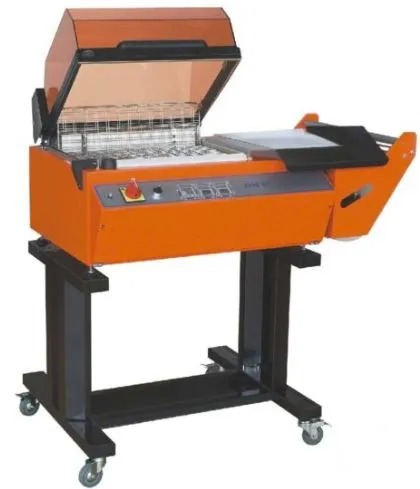

Shrink wrapping has become the cornerstone of modern packaging, safeguarding products from damage during transport and display. Businesses across Australia rely on it for everything from pallet loads to retail goods. Yet a common question arises in warehouses and production lines. Can any plastic serve as shrink wrap? The short answer is no. Not all plastics shrink uniformly or safely under heat, which is essential for this process. Choosing the wrong material risks product damage, equipment failure, or safety issues.
Understanding Shrink Wrap Basics
Shrink wrap consists of plastic films that contract when exposed to heat, forming a tight, protective layer around items. This process typically involves a shrink wrapping machine, which applies controlled heat to activate the film’s properties. The film must possess specific traits like elasticity, clarity, and durability to perform effectively.
In Australia, where diverse climates range from humid coastal areas to arid interiors, the right shrink wrap ensures reliability year-round. Factors such as temperature tolerance, puncture resistance, and environmental impact influence material selection. Poor choices lead to brittle films in cold conditions or excessive shrinkage in heat, compromising protection.
Common Types of Plastics in Shrink Wrapping
Several plastics dominate the shrink wrap market, each suited to particular applications. Polyolefin emerges as the most versatile and widely used option. It includes variations of polyethylene and polypropylene, offering excellent seal strength and clarity for retail packaging. Polyolefin performs well on high-speed machines, resists residue buildup, and meets FDA standards for food contact, making it ideal for Australian exporters handling perishables.
Polyethylene, another polyolefin variant, excels in heavy-duty tasks. Available in low-density (LDPE), linear low-density (LLDPE), and high-density (HDPE) forms, it provides superior stretch and puncture resistance. Australian businesses often use polyethylene for palletising bottled water, canned goods, or construction materials. Its UV inhibitors prevent breakdown during outdoor storage, a key advantage in sunny regions like Queensland.
Polyvinyl chloride (PVC) was once popular for its low cost and rigid shrink properties. It activates at lower temperatures, suiting budget-conscious operations. However, PVC releases strong odors when heated and contains chlorides that pose environmental concerns. In Australia, stricter sustainability regulations have reduced its use, favoring cleaner alternatives.
Why Not All Plastics Work for Shrink Wrapping
Plastics like PET (polyethylene terephthalate) or polystyrene fail as shrink wrap due to inconsistent shrinking. PET, common in bottles, lacks the necessary elasticity and may warp unevenly. Polystyrene, used in foam packaging, melts too quickly or becomes brittle, risking tears during application.
Compatibility with equipment is critical. A shrink wrapping machine demands films with precise shrink ratios, typically 40-60 percent. Mismatched plastics cause jams, uneven seals, or overheating. For instance, attempting to use non-shrink stretch film leads to loose wrapping that fails to protect against dust or impacts.
Safety plays a major role too. Some plastics release toxic fumes under heat, endangering workers in confined Australian warehouses. Regulatory bodies like the Australian Competition and Consumer Commission (ACCC) emphasise safe materials, especially for food and medical packaging.
Key Factors for Selecting Shrink Wrap Plastics
Application dictates the best choice. Retail demands clear, glossy polyolefin for product visibility on shelves in Sydney supermarkets. Industrial uses favor robust polyethylene for securing machinery parts shipped from Melbourne ports.
Thickness matters, measured in gauges or mils. Retail films range from 60-100 gauge for lightweight items, while pallet wraps hit 200-300 gauge for stability. Australian businesses must balance cost with performance, as thicker films increase expenses but enhance durability.
Climate adaptability is vital in a country with extreme weather variations. Polyolefin maintains flexibility from -10°C in Tasmania winters to 40°C in Perth summers. Polyethylene’s UV protection suits outdoor logistics, preventing premature degradation.
Sustainability trends influence decisions. Recyclable polyolefins align with Australia’s National Packaging Targets, aiming for 100 percent reusable or recyclable packaging by 2025. GateWay Packaging supports these goals with eco-friendly options tailored for local needs.
Pros and Cons Comparison
| Plastic Type | Best Uses | Strengths | Weaknesses | Ideal Australian Application |
| Polyolefin | Retail, food packaging | FDA-approved, strong seals, climate-stable | Slightly higher cost | Supermarket goods in humid areas |
| Polyethylene | Pallets, heavy items | Puncture-resistant, UV-protected, stretchy | Less clear for display | Export pallets from Brisbane |
| PVC | Budget clamshells | Low shrink temperature, affordable | Odors, less eco-friendly | Short-term non-food uses |
This table highlights why polyolefin often wins for versatility in diverse Australian operations.
Application Process and Best Practices
Start by selecting film width matching your product size. Load the roll onto a shrink wrapping machine for consistent tension. Center the item, apply the film loosely, then seal and heat. Machines with conveyor tunnels ensure even shrinkage, avoiding hot spots.
Test small batches first. Monitor shrink force to prevent crushing delicate goods like glassware. In Australia, calibrate for ambient humidity, which affects film behavior.
Maintenance extends equipment life. Clean sealing bars regularly to avoid residue from incompatible plastics. Train staff on safety, using ventilation for any odor-emitting films.
Environmental and Regulatory Considerations
Australia prioritises green packaging amid rising plastic waste concerns. Polyolefin’s recyclability reduces landfill impact compared to PVC. Businesses adopting certified films gain consumer trust and comply with state regulations like New South Wales’ container deposit schemes.
Opt for suppliers offering biodegradable additives or post-consumer recycled content. This supports circular economy goals without sacrificing performance.
Future Trends in Shrink Wrapping
Innovations like multi-layer co-extruded films enhance barrier properties against moisture and oxygen. Nano-technology boosts strength while thinning gauges, cutting material use.
Automation integrates AI-driven shrink wrapping machines for precision in high-volume Australian fulfillment centers. Expect more plant-based alternatives as research advances, blending performance with sustainability.
Final Thoughts on Smart Choices
No, not every plastic suits shrink wrapping. Success hinges on matching material properties to your needs, equipment, and environment. Prioritise polyolefin or polyethylene for reliability in Australia’s demanding logistics landscape. Consult experts like those at GateWay Packaging for tailored advice and quality supplies. Proper selection protects products, optimises operations, and meets regulatory standards, ensuring your packaging excels.