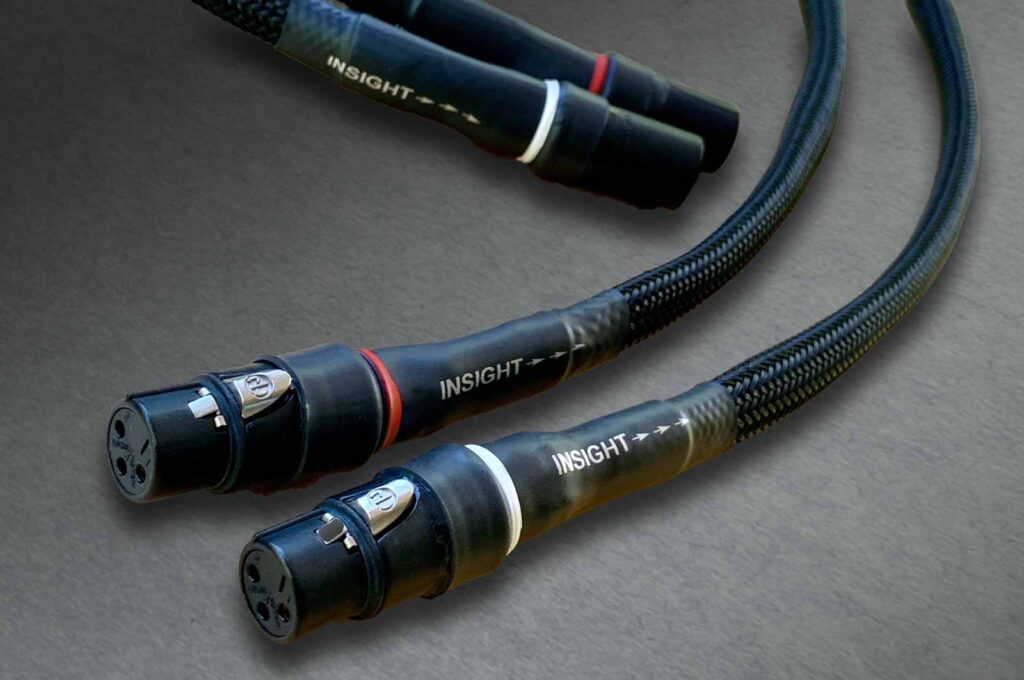

If you have ever upgraded your sound system and suddenly felt like your favorite song “came alive,” you might have wondered something simple but important: was it really the speaker, the amplifier, or even the humble audio interconnect cable doing something to the sound?
This is one of those topics where opinions are loud, but clarity is rare. Let’s talk about it in a real, grounded way.
First, What Does An Audio Interconnect Cable Actually Do?
An analog audio interconnect cable is the link between your audio components. It carries the sound signal from one device to another, for example from a DAC to an amplifier, or from a CD player to a receiver.
That’s it. Its job sounds simple, but in audio systems, small things can matter more than we expect.
Now here is the key question you probably care about:
Does it “improve” sound, or just “pass” sound?
The honest answer is both sides exist, depending on your setup and expectations.
So, Can It Really Change How Music Sounds?
Yes, but not in a magical way.
A well-designed cable does not create new sound. It does not add bass or sharpen vocals. Instead, it helps preserve the original signal with less loss or interference.
But here is where things get interesting in real life listening:
If you are using basic, poorly shielded cables, you might notice:
- Slight background noise or hiss
- Weak stereo separation
- Loss of clarity in busy music sections
When you switch to better shielding or build quality, those issues can reduce. That is where people feel the “change” in sound.
So the change is not invention. It is protection of detail.
Why Do Some People Hear Big Differences?
This is where experience and psychology mix together.
In many real-world setups, differences come from:
- Poor shielding picking up electrical noise from Wi-Fi routers, power cables, or adapters
- Loose connectors causing signal instability
- Very long cable runs increasing signal loss
- System sensitivity (high-end systems reveal more small changes)
On the other hand, in simple home setups, changes may feel small or even unnoticeable.
So when someone says “this cable changed everything,” it is often the system revealing what was already there.
Where Best High End Interconnect Cables Actually Matter
Now let’s be fair. The term best high end interconnect cables is often overused in marketing, but high-quality cables do have real engineering differences.
They may offer:
- Better shielding against noise
- Higher quality copper or silver conductors
- Stronger and more stable connectors
- Lower signal loss over distance
In sensitive audio chains, especially in studio-grade or audiophile systems, these improvements can help maintain signal purity.
But here is the honest boundary: once a cable is well-built and properly shielded, improvements become very subtle.
When You Should Actually Care About Cable Upgrades
You do not need to obsess over cables. But you should pay attention if:
- You hear buzzing or humming in your system
- Your setup has many electrical devices nearby
- You are using very cheap, thin, or unshielded cables
- Your audio chain is already high quality and revealing small flaws
In these cases, upgrading your audio interconnect cable can feel meaningful.
Otherwise, the biggest improvements usually come from speakers, room setup, or amplifier quality.
A Simple Way To Think About It
Think of cables like a clean water pipe.
A good pipe does not make water taste better. But a bad pipe can add noise, rust, or contamination.
A good analog audio interconnect cable simply ensures that what goes in is what comes out, without unnecessary distortion.
That is the real goal.
Final Thoughts:
If you are expecting a cable to transform your music experience completely, that expectation will disappoint you.
But if you understand it as a supporting part of your system, something that protects signal quality and reduces unwanted noise, then it starts making sense.
In real listening, music enjoyment is emotional. Small improvements in clarity, separation, and silence between notes can feel meaningful, especially when you truly care about your sound.
So yes, an audio interconnect cable can change how your music sounds, but only by helping your system show you more of what was already in the recording.
And sometimes, that small difference is exactly what makes you sit back, close your eyes, and listen a little longer.