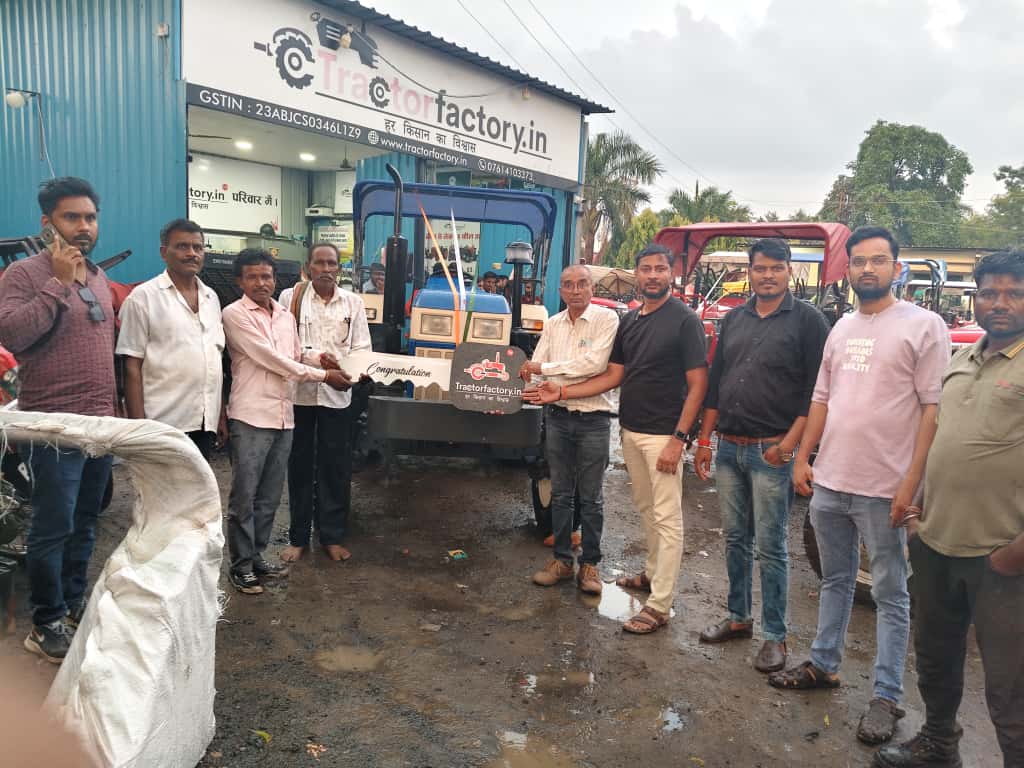

Why Many Farmers Quietly Prefer Used Tractors
Ask around in any farming village and you’ll notice something interesting. Plenty of farmers who can afford a new tractor still go looking for a used one. That might sound odd at first, but it makes sense when you spend time around tractors every day.
A new machine is nice, no doubt. Fresh paint. Perfect engine. But it also comes with a heavy price tag and the anxiety of that first scratch or breakdown.
A used tractors is different. It has already done some work. The engine has settled. The owner knows its behavior. And the price often leaves room in the budget for repairs, implements, or fuel.
For small and medium farmers especially, buying a used tractor isn’t a compromise. It’s simply a smarter financial move.
A Good Tractor Ages Differently Than Other Machines
Cars usually lose their charm after years of use. Tractors don’t behave the same way. Some of the best tractors in Indian farms are ten or even fifteen years old.
The reason is simple. Tractor engines are built for heavy-duty work. Thick metal parts. Slow RPM engines. Strong gear systems. If maintenance has been done properly, the machine keeps going.
You’ll often see an old tractor pulling a trolley full of crops without hesitation. The paint may be faded, but the engine still sounds solid.
Age alone doesn’t decide the value of a used tractor. Condition does.
The First Thing Experienced Buyers Look At
Most new buyers start by looking at the body. Shiny paint catches the eye.
But farmers who’ve been around tractors for years do something else first. They listen.
When the engine starts, the sound tells a story. A smooth rhythm usually means the internal parts are still in good shape. Rough knocking sounds? That’s a warning sign.
Then they check the exhaust smoke.
Light smoke during startup is normal. Thick black or white smoke, especially under load, suggests engine trouble.
These small checks reveal more than a fresh paint job ever could.
Why Engine Hours Matter More Than the Manufacturing Year
A tractor built in 2018 that has worked nonstop in commercial transport might be more worn out than a 2014 tractor used only during crop seasons.
That’s why engine hours matter.
Some tractors show the hour meter. Others don’t, especially older ones. In those cases, experienced buyers look for indirect clues:
- Pedal wear
- Steering looseness
- Hydraulic response
- Gear shifting smoothness
These signs quietly reveal how hard the tractor has worked over the years.
Hydraulics Tell You How the Tractor Was Treated
Farm work puts serious pressure on hydraulic systems. Ploughing, lifting implements, handling trailers — all depend on good hydraulics.
When checking a used tractor, lifting an implement slowly is a good test. If the lift struggles, jerks, or drops suddenly after raising, something is worn out.
Hydraulic repairs can be expensive. Not impossible, but they add cost.
A smooth hydraulic system usually indicates the previous owner cared about maintenance.
Transmission Problems Don’t Hide for Long
Drive a used tractor for a few minutes and the transmission will reveal its secrets.
Shifting gears should feel firm but smooth. Grinding noises or gears slipping out under load suggest internal wear.
Some sellers try to warm up the tractor before the buyer arrives. That’s a trick many people miss. A warm gearbox hides certain problems.
A better approach is to check the tractor when the engine is cold. That’s when transmission issues show up clearly.
The Reality of Spare Parts Availability
This is something buyers sometimes forget.
A cheap tractor becomes expensive if spare parts are hard to find.
Popular brands have a big advantage here. Local mechanics usually keep parts ready or can arrange them quickly. Repairs become easier and cheaper.
With rare models or discontinued brands, even a small repair can turn into a long wait.
Farm work doesn’t wait. Harvest season definitely doesn’t.
Tires Reveal How the Tractor Was Used
Tires say a lot about a tractor’s life.
Deep tread means the tractor hasn’t worked extremely hard yet. Bald tires suggest long hours in the field or transport work on rough roads.
Replacing tractor tires is expensive. Sometimes buyers forget to include that in their budget.
Checking for uneven tire wear also matters. Uneven wear can indicate alignment problems or suspension stress.
These details often go unnoticed until after purchase.
A Short Test Drive Can Save a Lot of Money
Even if the tractor looks good on the outside, a test drive is essential.
Drive it through different gears. Try turning sharply. Engage the clutch repeatedly.
You’ll feel things that no inspection can reveal.
A stiff clutch pedal. Loose steering. Delayed acceleration.
Sometimes the tractor simply “feels tired.” Experienced farmers recognize that feeling instantly.
It’s not always a deal breaker, but it helps in negotiating the price.
Negotiating a Used Tractor Price Is Part of the Process
Unlike new tractors, used tractors rarely have a fixed price.
The final cost usually depends on several factors:
- Condition of engine
- Tire life remaining
- Hydraulic performance
- Brand popularity
- Local demand
Two tractors of the same model can sell for very different prices depending on these details.
Farmers who buy and sell tractors regularly understand this well. They rarely accept the first price offered.
Why Many Farmers Buy Tractors From Other Farmers
Dealers sell used tractors too, but farmer-to-farmer sales are common.
The reason is trust.
When buying directly from a farmer, you can often see the tractor working in the field. You learn how it has been used and maintained.
Dealers sometimes repaint tractors to make them look newer. That doesn’t necessarily mean they are hiding something, but it makes inspection harder.
Seeing the tractor in its natural working environment tells the truth.
Registration Papers and Ownership Checks Matter
Mechanical checks are important, but paperwork matters just as much.
A proper registration certificate confirms ownership. Buyers should also verify that there are no outstanding loans on the tractor.
Transferring ownership legally prevents problems later.
Skipping this step might seem like a shortcut. In reality, it can lead to serious trouble down the road.
Maintenance Habits of the Previous Owner Make a Huge Difference
Two tractors of the same age can behave completely differently depending on how they were maintained.
Regular oil changes extend engine life significantly. Clean fuel filters prevent injector problems. Proper greasing protects moving joints.
Some farmers follow these routines carefully.
Others run the tractor until something breaks.
That difference shows up immediately when inspecting the machine.
Used Tractors Often Pay for Themselves Quickly
One of the biggest advantages of buying a used tractor is financial recovery.
Because the purchase cost is lower, the tractor can recover its value faster through farm work or rental use.
Many farmers rent their tractors for ploughing, transport, or harvest work in nearby villages.
Within a few seasons, the tractor starts generating clear profit.
That’s much harder to achieve with a brand-new machine carrying a large loan.
Why Patience Is the Best Strategy When Buying
Rushing into a tractor purchase rarely ends well.
Good used tractors appear on the market regularly. Farmers upgrade machines, relocate, or sell equipment during financial changes.
Waiting for the right tractor in the right condition often saves both money and headaches.
A careful buyer may inspect several tractors before choosing one. That patience usually pays off.
The Quiet Satisfaction of Finding the Right Machine
There’s a certain satisfaction when you finally find the right used tractor.
The engine starts smoothly. The gears shift cleanly. The hydraulics respond without hesitation.
You know immediately — this one will work.
The tractor may not look brand new. The paint might show years of sun and dust. But the machine feels strong.
And for a farmer, strength matters far more than appearance.
A well-chosen used tractor becomes more than equipment. It becomes a reliable partner in the field, season after season.