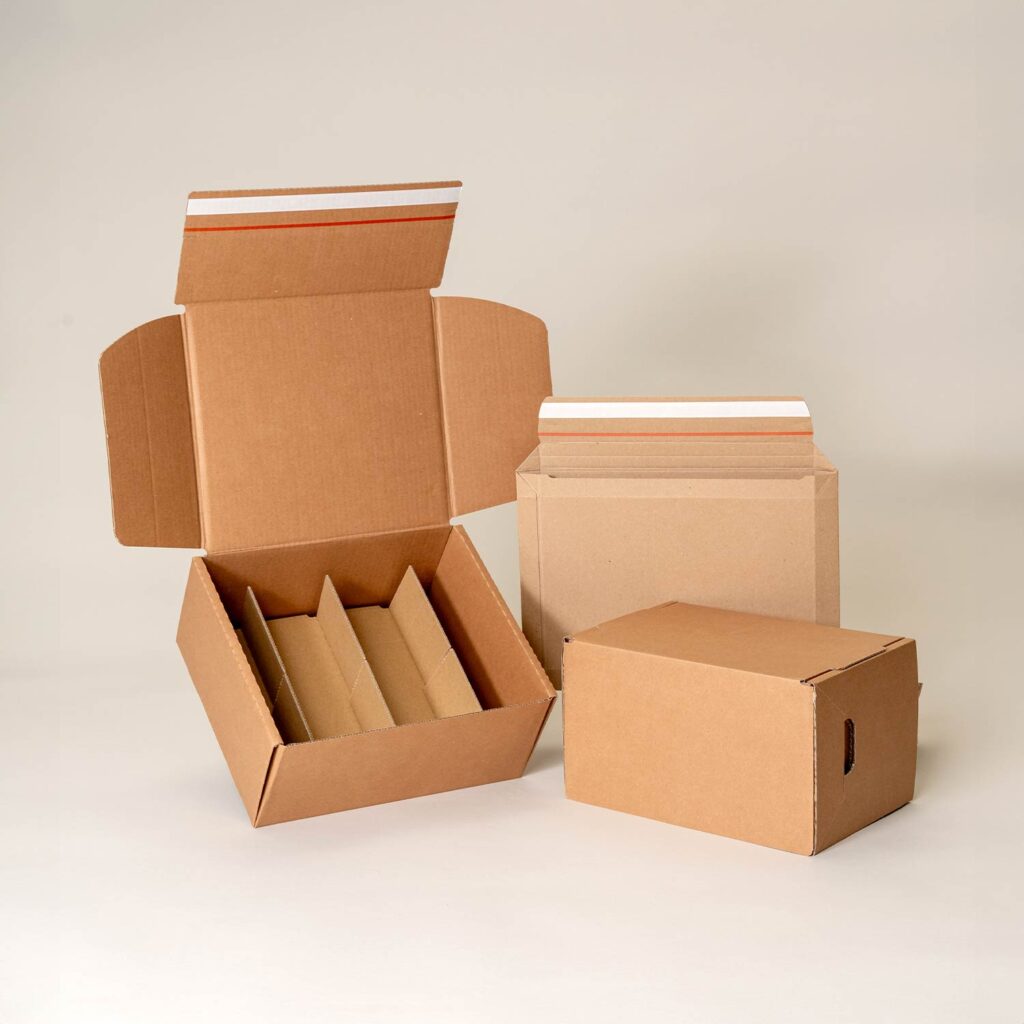

In packaging engineering, strength testing helps decide how safe a box will be in real use. Two key measures are bursting strength and compression strength.
Both tests show different performance behaviors of packaging materials.
Understanding them helps in making better design choices and reducing product damage during transport.
What Bursting Strength Really Means in Simple Terms
Bursting strength shows how much pressure a material can take before it breaks from the surface. It tests the toughness of the outer layers of a corrugated sheet. The pressure is applied evenly until the board ruptures.
This strength mainly reflects how well a box can handle sudden shocks. For example, during loading, unloading, or rough handling, the surface must resist tearing. A higher value means better resistance against cuts and punctures.
However, it does not measure how much weight a box can carry when stacked. It only focuses on surface durability. That is why it is mostly used for checking material quality at the basic level.
Manufacturers often use this test to ensure liner sheets are strong enough. It helps reduce defects in production. Still, relying only on this test can be risky because real logistics conditions involve multiple stresses.
Understanding Compression Strength in Real Packaging Use
Compression strength measures how much vertical load a box can handle before it collapses. It is one of the most important factors for stacking performance in warehouses and shipping.
When boxes are stacked, the bottom box carries the weight of all boxes above it. So, strong compression strength ensures stability and prevents crushing.
This test reflects real-life storage conditions. It helps engineers design boxes that can survive long transport cycles. Weak compression strength often leads to product damage and financial loss.
Several factors affect this strength. Board thickness, flute type, and box design all play a role. Even small design changes can improve or reduce performance.
Humidity also impacts results. Moist environments weaken fiber bonds, which lowers stacking strength. That is why proper storage conditions matter a lot in packaging systems.
How Both Strengths Differ in Testing and Behavior
Bursting strength and compression strength test different failure types. One focuses on surface resistance, while the other focuses on stacking durability.
Bursting strength uses hydraulic pressure. A rubber diaphragm pushes upward until the sheet breaks. This shows how well the material resists force from all directions.
Compression strength uses vertical force. A machine slowly presses the box from top to bottom. This simulates real stacking in warehouses and transport systems.
The failure patterns are also different. Bursting failure happens suddenly at one point. Compression failure happens gradually as the box deforms.
Both tests are important, but they cannot replace each other. Each gives a different insight into performance. Using both together helps in making safer packaging decisions.
Why Surface Strength Matters in Packaging Protection
Surface strength plays a key role in protecting products from external damage. Bursting strength ensures that the outer layer of a box does not tear easily during handling.
In real supply chains, boxes often face friction, impact, and rough movement. A strong surface reduces the risk of damage to the product inside.
It also helps maintain the visual quality of packaging. This is important for retail products where appearance affects customer perception.
Strong surface layers also reduce rejection rates in manufacturing. They improve consistency and reduce weak spots in production.
However, surface strength alone is not enough for full protection. It must work along with stacking strength to ensure complete safety in logistics operations.
Importance of Stacking Strength in Logistics Systems
Compression strength is very important in warehouse and transport operations. It ensures that boxes can be stacked safely without collapsing.
In storage facilities, saving space is important. High stacking requires strong boxes at the bottom. Compression strength makes this possible without damaging goods.
During long-distance transport, boxes may remain stacked for many hours or days. Strong compression performance keeps the load stable throughout the journey.
Many industries depend on this strength, especially food, electronics, and retail sectors. Any collapse can lead to product loss and delays.
Design improvements like better flute structure can increase stacking strength. Engineers carefully balance material use and performance to control cost and durability.
Material Choices That Impact Box Performance
Material selection directly affects both bursting and compression strength. The type of liner, flute, and thickness all influence final performance.
Different products need different strength levels. Heavy items require stronger boards, while lighter items can use simpler designs.
The concept of Corrugated Packaging helps industries choose layered board structures that balance strength and flexibility. These layers work together to improve performance.
Recycled materials are often used to reduce cost and support sustainability. However, too much recycling can sometimes reduce strength if not processed properly.
Environmental conditions also matter. High humidity weakens material bonds and reduces durability. That is why packaging design must consider storage and transport environments.
Good material selection always balances cost, strength, and product safety.
How to Select the Right Packaging Specification
Choosing the right specification requires understanding product needs first. Weight, fragility, and transport distance all play important roles.
Heavy products need higher compression strength. Fragile items need better surface protection to avoid tearing.
Shipping distance also matters. Longer routes require stronger packaging to handle repeated handling and stacking.
Here are simple selection points:
- Match box strength with product weight
- Consider stacking height in storage
- Check handling conditions during transport
- Factor in humidity and environment
- Balance cost with required durability
Using these points helps reduce damage and improves packaging efficiency. It also ensures smoother supply chain operations.
Good selection avoids overuse of material while still protecting products effectively.
Common Mistakes in Strength Selection
Many packaging issues happen due to poor understanding of strength requirements. One common mistake is focusing only on one type of strength.
Some companies only check bursting strength and ignore stacking ability. This often leads to box collapse during storage.
Another mistake is reducing material quality to save cost. This increases failure rates and product damage in transit.
Ignoring environmental conditions is also a major issue. Humidity can reduce strength over time, especially in long storage cycles.
Best practices include:
- Always test both strength types together
- Consider real storage conditions
- Avoid unnecessary material reduction
- Use proper design based on product needs
Following these practices improves reliability and reduces losses. It also builds better trust in packaging performance across supply chains.
Final Thoughts on Choosing the Right Balance
Both bursting and compression strength are important for safe packaging design. Each one solves a different problem in the supply chain.
Bursting strength protects against surface damage. Compression strength ensures safe stacking and transport stability.
A good packaging design always balances both. Ignoring one can lead to failure in real conditions.
When engineers evaluate both together, they create stronger and more reliable packaging systems. This leads to better product safety and lower operational risk.
Get your order now on Ibex Packaging: https://ibexpackaging.com/custom-corrugated-boxes/