
Modern interiors are changing. Homes and workspaces are no longer designed only to look good, they are expected to feel good too. As urban living becomes more fast-paced and screen-driven, people are seeking interiors that offer calm, balance, and a connection to nature. This is where biophilic design comes in. Rooted in the idea that humans have an innate connection to nature, biophilic design focuses on bringing natural elements into interior spaces in thoughtful, meaningful ways.
What Is Biophilic Design?
Biophilic design is an approach that integrates nature into built environments. This can include natural light, plants, organic materials, textures, views of greenery, and even patterns inspired by nature. Rather than adding decorative plants as an afterthought, biophilic interiors are planned to support well-being, comfort, and emotional balance.
In modern interior design, biophilic design is not about recreating outdoor spaces indoors, but about creating harmony between natural elements and contemporary living.
Why Biophilic Design Matters in Modern Interiors
As people spend more time indoors, interior environments play a major role in physical and mental well-being. Studies have shown that nature-inspired spaces can reduce stress, improve focus, and enhance overall mood. This makes biophilic design especially relevant for homes, offices, educational spaces, and hospitality interiors.
For designers, biophilic interiors also respond to growing awareness around sustainability and mindful living. Nature-connected spaces tend to feel calmer, more timeless, and more emotionally engaging than purely trend-driven designs.
Maximising Natural Light
One of the simplest and most effective biophilic design ideas is maximising natural light. Large windows, open layouts, light-reflective surfaces, and sheer curtains help bring daylight deeper into interiors. Natural light not only reduces dependence on artificial lighting but also supports healthy sleep cycles and improves mood.
Designers often plan interiors around the movement of light throughout the day, allowing spaces to feel dynamic and alive rather than static.
Bringing Greenery Indoors
Indoor plants are a defining element of biophilic design. From small potted plants to vertical gardens and indoor courtyards, greenery adds freshness and visual softness to modern interiors. Plants improve air quality, introduce natural colour, and create a sense of calm.
Designers choose plants based on light availability, maintenance needs, and spatial scale. Even minimal interiors benefit from thoughtfully placed greenery rather than overcrowded arrangements.
Using Natural Materials and Textures
Materials play a crucial role in biophilic interiors. Wood, stone, clay, bamboo, cork, and natural fabrics help create a tactile connection to nature. These materials age gracefully and add warmth to modern spaces that might otherwise feel cold or overly polished.
Texture is just as important as material. Matte finishes, grain patterns, and handcrafted surfaces add depth and sensory richness. In biophilic design, surfaces are meant to be felt and experienced, not just seen.
Nature-Inspired Colours and Patterns
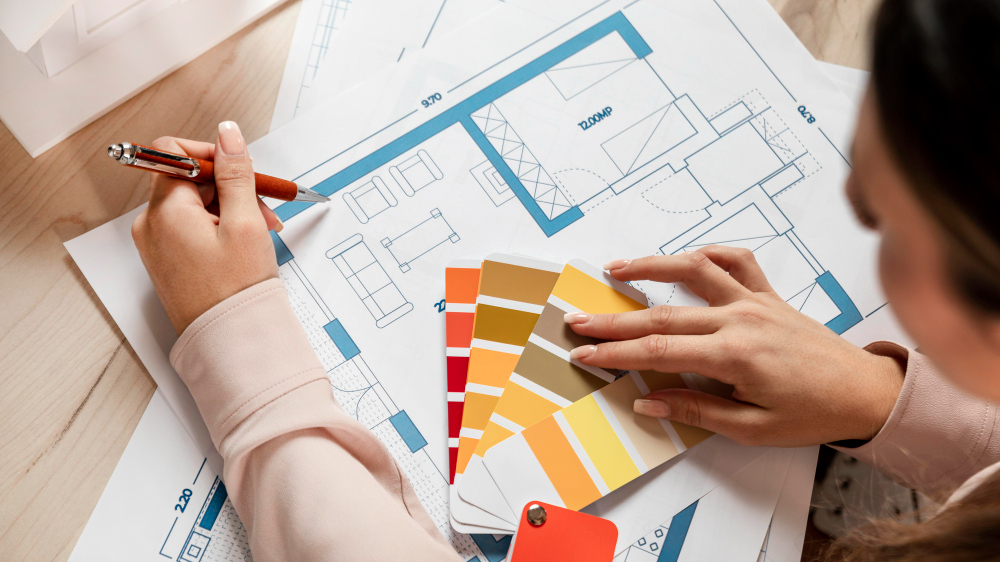
Biophilic interiors often use colour palettes inspired by the natural world. Earthy tones such as greens, browns, sand, clay, and soft blues create a calming backdrop. These colours work well in modern interiors because they feel neutral yet expressive.
Patterns inspired by leaves, waves, or organic forms can be subtly introduced through textiles, wall finishes, or décor. The key is restraint, nature-inspired elements should support the space, not overwhelm it.
Designing with Air, Space, and Flow
Biophilic design is also about how a space feels to move through. Open layouts, visual connections between rooms, and thoughtful circulation help interiors feel breathable and comfortable. Natural ventilation, cross-breezes, and indoor-outdoor transitions strengthen the connection to nature.
Designers often blur the boundary between inside and outside by using similar materials or colour tones in both areas, creating a seamless visual flow.
Biophilic Design in Urban Living
In dense urban environments, biophilic design becomes even more important. Apartments, offices, and studios often lack direct access to outdoor spaces. Thoughtful biophilic interiors help counter this by creating micro-connections to nature within limited space.
For students and professionals learning interior design today, understanding biophilic principles is becoming essential. Many aspiring designers explore these ideas through formal education at an interior design institute in Dubai, where global design trends, sustainability, and wellness-focused interiors are increasingly part of the curriculum.
Beyond Aesthetics: The Emotional Impact
What makes biophilic design truly powerful is its emotional impact. Nature-inspired interiors tend to feel calmer, more grounded, and more human. They support mental clarity, reduce stress, and encourage slower, more mindful living.
This emotional layer is what sets biophilic design apart from purely visual trends. It focuses on how spaces make people feel, not just how they look.
The Future of Biophilic Interiors
Biophilic design is not a passing trend, it reflects a deeper shift in how people want to live and work. As sustainability, wellness, and conscious design continue to influence interior spaces, nature-connected interiors will remain relevant.
Designers who understand how to balance modern aesthetics with natural elements will be better prepared for the future of interior design.
Conclusion
Bringing nature inside is about more than adding plants or natural textures, it’s about creating interiors that support well-being, comfort, and balance. Biophilic design encourages thoughtful use of light, materials, space, and greenery to create environments that feel calm and restorative. For aspiring designers, learning these principles is becoming an essential part of contemporary design education. Institutions like Cindrebay School of Design Dubai reflect this shift by helping students explore nature-inspired design thinking alongside modern, real-world interior practices, preparing them to design spaces that truly respond to how people live today.