
Introduction
BMW, short for Bayerische Motoren Werke, is a German automotive powerhouse recognized globally for its precision engineering, innovative technologies, and high-performance vehicles. Central to BMW’s reputation is its engines, which combine efficiency, power, and cutting-edge technology. BMW engines have long been celebrated for their durability, responsiveness, and ability to deliver a dynamic driving experience. This article explores BMW engines in depth, covering their history, types, innovations, and future trends.
History of BMW Engines
BMW’s engine legacy began in 1917, primarily focusing on aircraft engines during World War I. These engines were renowned for reliability and efficiency under extreme conditions. After transitioning into automobile production, BMW carried forward the engineering excellence from aircraft engines into cars and motorcycles.
In the 1920s and 1930s, BMW developed inline engines that became foundational to the company’s automotive identity. By the 1950s, BMW was producing engines for the iconic 501 sedan and the Isetta microcar. These early engines emphasized smooth performance and innovative designs that balanced power and fuel efficiency—a philosophy still evident today.
Types of BMW Engines
BMW manufactures a range of engines, each designed to meet specific performance and efficiency needs. They are categorized based on cylinder configuration, fuel type, and technological features.
1. Inline Engines
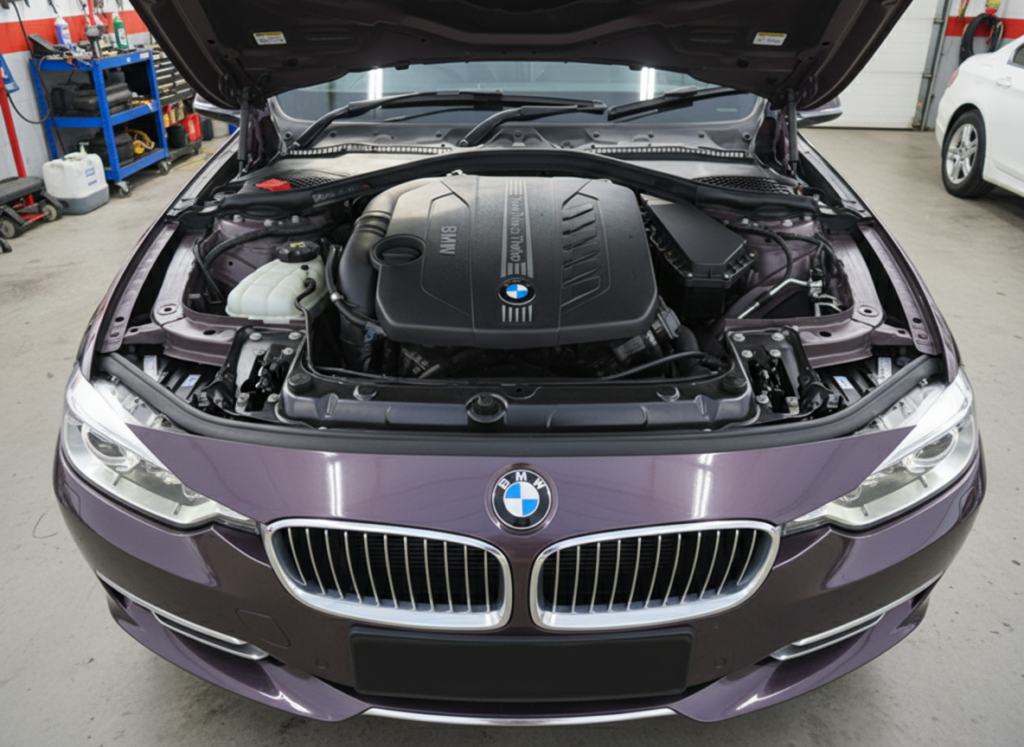
BMW is famous for its inline engines, particularly the inline-6 (I6). The I6 engine is known for its smoothness and balance due to its inherent mechanical symmetry. The modern BMW I6 uses TwinPower Turbo technology, delivering impressive horsepower while maintaining fuel efficiency. Models like the BMW 3 Series and 5 Series often feature this engine, providing a refined driving experience.
2. V Engines
For higher performance, BMW uses V engines, including V8 and V12 configurations. These engines are used in flagship models such as the BMW M5 and 7 Series. V engines offer higher displacement, producing more torque and acceleration for performance-focused vehicles.
3. Electric and Hybrid Engines
BMW has expanded into hybrid and electric powertrains, combining traditional internal combustion engines with electric motors. BMW’s eDrive technology powers vehicles like the iX and i4, offering instant torque, zero emissions, and reduced fuel consumption. The integration of hybrid systems allows BMW to maintain performance standards while adapting to environmental regulations.
4. Diesel Engines
BMW’s diesel engines, known for their fuel efficiency and torque, are common in models like the 5 Series and X5. Modern BMW diesels use advanced common-rail injection and turbocharging, achieving high performance without compromising economy.
Technological Innovations in BMW Engines
BMW engines are celebrated for technological advancements that improve performance, efficiency, and sustainability.
1. TwinPower Turbo Technology
TwinPower Turbo technology is a cornerstone of BMW’s modern engines. This system combines turbocharging, direct fuel injection, and variable valve timing to deliver more power with less fuel consumption. It allows for instantaneous acceleration while reducing emissions.
2. Valvetronic and Double VANOS
BMW’s Valvetronic technology controls the intake valves’ lift, optimizing airflow for improved efficiency. Double VANOS adjusts the camshaft timing continuously, ensuring optimal torque delivery across all engine speeds. Together, these technologies enhance both performance and fuel economy.
3. Efficient Dynamics
The BMW Efficient Dynamics program focuses on combining power and efficiency. Engine improvements, lightweight materials, and aerodynamic enhancements reduce fuel consumption and emissions without compromising performance. BMW engines achieve a balance of sustainability and driving pleasure.
4. Lightweight Construction
Modern BMW engines utilize lightweight materials such as aluminum and magnesium alloys. These materials reduce engine weight, improving vehicle handling and responsiveness. This focus on lightweight design is particularly critical in performance-oriented BMW M models.
BMW M Engines: High-Performance Engineering
The BMW M division is synonymous with extreme performance. M engines, such as those in the M3, M4, and M5, are engineered to deliver exceptional power, precision, and responsiveness.
1. M TwinPower Turbo
M engines incorporate enhanced TwinPower Turbo systems with larger turbochargers, advanced cooling, and high-performance fuel injection. These engines provide rapid acceleration and sustained high-speed performance.
2. Inline-6 and V8 M Engines
BMW M has perfected both inline-6 and V8 engines. The inline-6 offers smooth, linear power delivery, while V8 engines provide higher torque and explosive acceleration. Each M engine is hand-assembled in BMW’s dedicated M Power plant, emphasizing craftsmanship and precision.
3. Track-Ready Performance
M engines are designed for both road and track. They feature reinforced internals, optimized cooling systems, and high-rev capabilities. This engineering allows enthusiasts to enjoy peak performance safely, whether on a racetrack or highway.
Sustainability and Future BMW Engines
BMW is aggressively moving toward sustainability with its engine development, embracing hybrid and electric solutions. The company aims to reduce emissions while maintaining its performance standards.
1. Hybrid Powertrains
Hybrid BMW engines combine electric motors with conventional engines for efficiency and reduced emissions. Models like the BMW 330e and X5 xDrive45e use plug-in hybrid systems, delivering strong performance with lower fuel consumption.
2. Fully Electric Engines
BMW’s i series, including the i4, iX, and i7, feature fully electric motors that provide instant torque, zero emissions, and quiet operation. These engines represent BMW’s commitment to electrification while ensuring the “ultimate driving machine” experience remains intact.
3. Hydrogen and Alternative Fuels
BMW is exploring hydrogen fuel cell engines as a long-term alternative. These engines produce only water as a byproduct and could revolutionize the automotive industry if adopted widely. BMW’s research into alternative fuels underscores its vision for a sustainable future.
Maintenance and Longevity of BMW Engines
BMW engines are designed for durability but require proper maintenance. Regular oil changes, coolant checks, and service intervals ensure longevity. The precision engineering of BMW engines means they perform best under meticulous care, preserving both performance and efficiency over time.
Conclusion
BMW engines epitomize the perfect blend of engineering excellence, performance, and innovation. From inline-6 engines to V12 powerhouses, from hybrid systems to fully electric motors, BMW continuously pushes boundaries to redefine driving experiences. With a focus on technological innovation, sustainability, and high-performance design, BMW engines continue to set industry benchmarks. Whether for everyday driving or track-level performance, BMW engines deliver a unique combination of power, efficiency, and sophistication—making every drive a testament to German engineering mastery.
For more information.