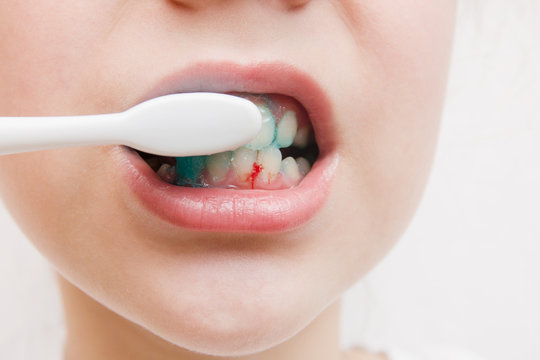

Most people notice a little pink in the sink and brush it off – pun intended. It happens once, maybe twice, and then gets quietly filed under “probably nothing.” But if your gums bleed every single time you brush, that pattern deserves a closer look. Bleeding gums are one of the most common signs that something is happening beneath the surface, and catching it early can make a dramatic difference in both your oral health and your overall wellbeing. This article walks you through what bleeding gums actually mean, what the treatment journey looks like, and what you can realistically expect if you decide to take action.
Why Your Gums Bleed in the First Place
Healthy gums do not bleed. That sounds blunt, but it is the truth most dental professionals will tell you right away. When gums bleed during brushing, it usually means the tissue is inflamed, irritated, or infected – and the most common culprit is plaque buildup along the gumline.
The Role of Plaque and Bacteria
Plaque is a sticky film of bacteria that forms on teeth constantly. When it is not removed through regular brushing and flossing, it hardens into tartar, which irritates the gum tissue. Your body responds by sending blood flow to the area to fight off infection – and that increased blood flow is exactly why the gums bleed so easily when touched. Even light brushing can cause bleeding when this inflammation is present.
Gingivitis vs. Periodontitis – What Is the Difference?
Gingivitis is the earliest stage of gum disease. At this point, the damage is largely reversible with professional cleaning and improved home care. Periodontitis is the advanced stage, where infection has moved below the gumline and begun affecting the bone and connective tissue supporting your teeth. The distinction matters because treatment timelines and procedures differ significantly between the two. Most patients who seek care early are dealing with gingivitis, which responds well to treatment.
Other Reasons Your Gums May Be Bleeding
Gum disease is the most frequent explanation, but it is not the only one. Understanding the full picture helps you have a more productive conversation with your dentist.
Medications and Medical Conditions
Certain blood thinners, anticoagulants, and even some blood pressure medications can make gum tissue more prone to bleeding. Conditions like diabetes, leukaemia, and vitamin deficiencies – particularly Vitamin C and Vitamin K – can also weaken gum tissue and slow healing. If you have started a new medication recently and noticed gum bleeding shortly after, mention that to your dentist during your consultation.
Brushing Technique and Toothbrush Hardness
There is such a thing as brushing too hard. Using a stiff-bristled toothbrush or applying excessive pressure can cause small tears in the gum tissue. Counterintuitively, aggressive brushing does not clean teeth better – it often causes more irritation and recession over time. A soft-bristled brush and gentle, circular movements are almost always the right approach.
The Treatment Journey: What to Expect Step by Step
If you visit a dental clinic for bleeding gums, the process follows a fairly predictable sequence. Knowing what lies ahead removes a lot of the anxiety around seeking care.
Step 1 – The Initial Assessment
The first appointment typically involves a thorough examination of your gum tissue. Your dentist will measure pocket depth – the space between your teeth and gums – using a small probe. Healthy pockets measure between 1 and 3 millimetres. Deeper pockets suggest disease progression. X-rays may be taken to assess bone levels. This assessment is generally quick and not painful, though your gums may feel tender if the inflammation is significant.
Step 2 – Professional Cleaning or Scaling
For gingivitis, a professional cleaning (prophylaxis) is usually the starting point. For more advanced cases, a deeper procedure called scaling and root planing is recommended. This involves removing tartar deposits both above and below the gumline and smoothing the root surfaces so that bacteria have fewer places to attach. This procedure may be done in sections over two or more visits, and local anaesthesia is often used to keep you comfortable.
Step 3 – Home Care Plan and Follow-Up
Treatment does not end at the clinic. Your dentist or periodontist will give you specific instructions for brushing, flossing, and possibly rinsing with a medically prescribed mouthwash. A follow-up appointment – usually four to six weeks later – allows the team to reassess gum health and confirm that healing is on track. Some patients require ongoing maintenance visits every three months, particularly those who had periodontitis.
If you are based in the region and looking for trusted care,
Expert Periodontal Care in Coimbatore is available at clinics with experienced periodontists who can guide you through each of these stages with clarity.
How Long Does Recovery Actually Take?
Patients often want to know when things will feel and look normal again. The honest answer is: it depends on how advanced the disease is when treatment begins.
For gingivitis, many patients notice a marked reduction in bleeding within two to four weeks of proper cleaning and improved home care. The gums firm up, look pinker, and bleed far less. For moderate to severe periodontitis, meaningful improvement can take two to three months, with complete stabilisation sometimes taking longer. Bone loss, unfortunately, cannot be fully reversed – but it can be halted, and in some cases, surgical grafting can help restore structure.
The most important variable in recovery is consistency. Patients who follow through with their home care routine and attend follow-up visits reliably tend to recover faster and maintain healthier gums long-term.
A qualified Gum Treatment Specialist will give you a realistic timeline based on your specific condition, not a generic one.
Preparing for Your First Appointment
Walking into a dental clinic for a gum-related concern is less daunting when you know what to bring and how to prepare. Write down any symptoms you have noticed – bleeding frequency, swelling, bad breath, or teeth that feel loose. Note any medications you are currently taking. If you have had prior dental X-rays from another clinic, bring them along if possible, as they help the dentist compare bone levels over time.
On the day itself, brush and floss as normal – do not skip it because you are nervous about the appointment. Arrive a few minutes early to complete any intake forms. Most importantly, be honest about your habits: how often you actually floss, whether you smoke, and how long the bleeding has been occurring. Dentists are not there to judge; they need accurate information to help you properly.
An Experienced Dentist in Coimbatore will take your concerns seriously and outline a personalised treatment plan from the very first visit.
Conclusion
Bleeding gums are your body’s way of waving a flag. Ignoring them rarely makes the problem go away – it usually lets it progress quietly until the damage is harder to reverse. The good news is that gum disease, especially when caught early, responds well to treatment. The process is straightforward, the timelines are manageable, and the long-term benefits to your teeth, your smile, and even your systemic health are well worth the effort. If you have been noticing blood on your toothbrush regularly, consider booking a consultation with a dental professional soon. Giving your gums the attention they are asking for could save you considerable time, cost, and discomfort down the road.
Frequently Asked Questions
Is it normal for gums to bleed a little when brushing?
Occasional minimal bleeding, such as when you first start flossing, can be normal. However, if your gums bleed every time you brush or bleed spontaneously, that is a sign of inflammation and should be evaluated by a dentist as soon as possible.
Can bleeding gums go away on their own without treatment?
In very mild cases of early gingivitis, improving brushing and flossing habits may reduce bleeding over a few weeks. But if tartar has already formed below the gumline, professional cleaning is necessary – improved home care alone will not be enough to remove it.
Does gum treatment hurt?
Most patients find the initial assessment painless or mildly uncomfortable. Procedures like scaling and root planing are done under local anaesthesia, so the process itself is generally well-tolerated. Some sensitivity and soreness in the days following is normal and usually manageable with over-the-counter pain relief.
How many visits will I need to treat bleeding gums?
For mild gingivitis, one or two appointments are often sufficient. Moderate to severe periodontitis may require multiple scaling sessions, followed by regular maintenance visits every three to four months. Your dentist will give you a clear schedule after your initial assessment.
Can gum disease affect my overall health?
Yes, research consistently links untreated gum disease with an increased risk of heart disease, diabetes complications, and certain respiratory conditions. The bacteria from infected gum tissue can enter the bloodstream and trigger systemic inflammation, which is one more reason not to delay treatment.
Source: 699c34aa562db.site123.me