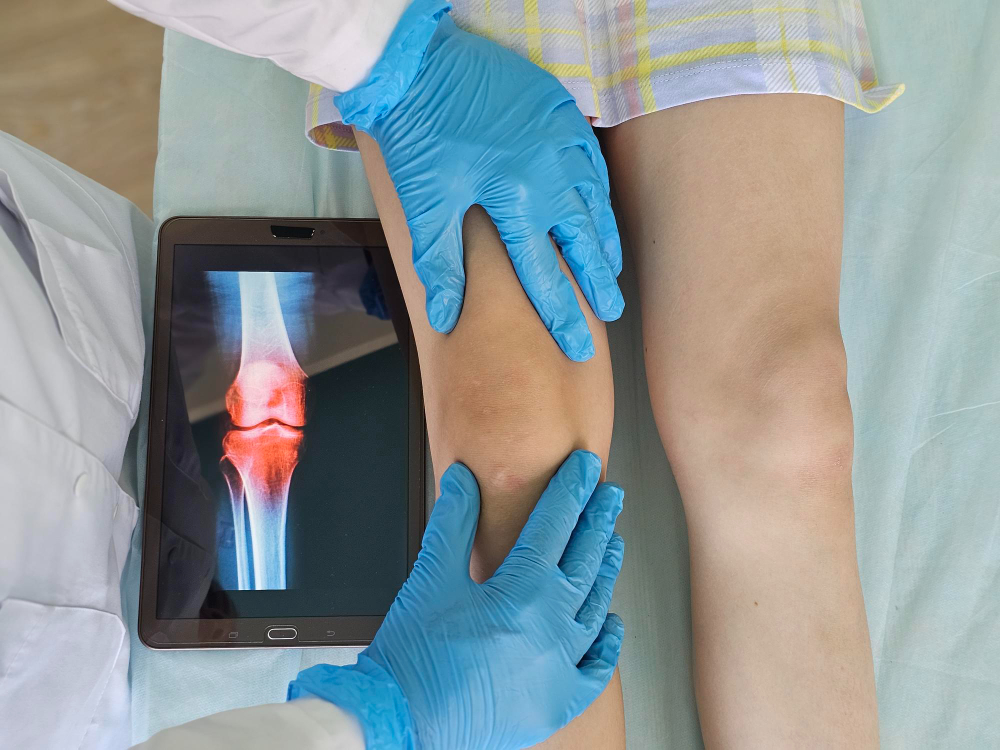

Knee replacement surgery can be life-changing. For many people, it brings relief from years of pain, stiffness, and difficulty walking. But the surgery itself is only one part of the journey. Recovery and rehabilitation play an equally important role, and that’s where the right exercises make a big difference.
After knee replacement surgery, the body needs time to heal. At the same time, the new joint must gradually regain strength, flexibility, and mobility. Doing the right exercises under proper guidance helps improve movement, reduce stiffness, and support a faster recovery.
In this article, we’ll walk through some of the best exercises after knee replacement surgery and explain how they help patients return to daily activities safely.
Why Exercise Is Important After Knee Replacement
After surgery, it’s natural to feel hesitant about moving the knee. However, gentle movement is essential for proper recovery. Without regular exercise, the joint may become stiff and muscles around the knee can weaken.
Here are a few reasons why doctors strongly recommend rehabilitation exercises:
- Improves knee mobility and flexibility
- Strengthens muscles around the knee joint
- Reduces swelling and stiffness
- Helps restore normal walking patterns
- Prevents complications like blood clots
The key is to start slowly and increase intensity gradually, always following your doctor or physiotherapist’s instructions.
1. Ankle Pumps
Ankle pumps are one of the first exercises recommended immediately after knee replacement surgery. They may seem simple, but they play a very important role in circulation.
How to do it:
- Lie down or sit comfortably with your legs extended.
- Move your foot up and down by flexing your ankle.
- Repeat the movement slowly for several minutes.
This exercise helps improve blood circulation in the legs and lowers the risk of blood clots after surgery.
2. Quadriceps Sets
The quadriceps muscles at the front of the thigh support the knee joint. After surgery, these muscles often become weak. Quadriceps sets help activate and strengthen them.
How to do it:
- Lie on your back with your leg straight.
- Tighten the thigh muscles by pressing the back of your knee downward.
- Hold the contraction for about 5 seconds.
- Relax and repeat several times.
Regular practice helps rebuild muscle strength and supports the new knee joint.
3. Heel Slides
Heel slides are excellent for improving knee bending and flexibility during early recovery.
How to do it:
- Lie on your back with both legs straight.
- Slowly slide your heel toward your body while bending the knee.
- Hold for a few seconds and then straighten the leg again.
This movement gradually increases knee range of motion and reduces stiffness.
4. Straight Leg Raises
Straight leg raises help strengthen both the quadriceps and hip muscles, which are important for walking and stability.
How to do it:
- Lie on your back with one knee bent and the other leg straight.
- Slowly lift the straight leg about a foot off the ground.
- Hold for a few seconds and gently lower it back down.
Repeat the exercise several times while keeping movements controlled.
5. Seated Knee Bends
As recovery progresses, seated knee bends help improve knee flexibility and movement.
How to do it:
- Sit on a chair with your feet on the floor.
- Slowly slide your foot backward under the chair to bend the knee.
- Hold for a few seconds before returning to the starting position.
This exercise gradually increases knee bending and improves mobility.
6. Short Arc Knee Extensions
This exercise focuses on strengthening the quadriceps while improving knee control.
How to do it:
- Lie on your back and place a rolled towel under your knee.
- Straighten your knee by lifting your foot upward while keeping the knee supported.
- Hold for a few seconds and slowly lower the leg.
Practicing this exercise regularly improves muscle strength and stability.
Tips for Faster Recovery After Knee Replacement
While exercises are essential, recovery also depends on following a few important guidelines.
Follow Your Physiotherapy Plan
A structured physiotherapy program ensures you perform exercises safely and effectively. Never skip sessions unless advised by your doctor.
Stay Consistent
Recovery doesn’t happen overnight. Performing exercises regularly even simple ones can significantly improve progress over time.
Avoid Overexertion
It’s important to stay active, but pushing the knee too hard too soon can lead to pain or swelling. Listen to your body and progress gradually.
Maintain a Healthy Weight
Extra body weight increases pressure on the knee joint. Maintaining a healthy weight supports long-term joint health.
Use Support When Needed
Walking aids like walkers or canes may be necessary during the early recovery phase. They help prevent falls and provide stability.
When to Contact Your Doctor
While mild discomfort during exercise is normal, certain symptoms should not be ignored. Contact your healthcare provider if you experience:
- Severe or persistent knee pain
- Excessive swelling
- Difficulty moving the knee
- Signs of infection such as redness or fever
Early medical advice helps prevent complications and ensures safe recovery.
Conclusion
Recovering from knee replacement surgery takes time, patience, and the right rehabilitation approach. Gentle exercises, when performed consistently and under proper guidance, help restore strength, flexibility, and confidence in movement. From simple ankle pumps to controlled knee bends, each exercise plays a role in helping patients regain mobility and return to their daily routines.
For patients seeking expert guidance and personalized rehabilitation plans, Dr. Laghvendu Shekhar, a highly experienced knee specialist, focuses on helping individuals recover safely after knee replacement surgery. With the right combination of advanced treatment, structured physiotherapy, and patient-focused care, he ensures that every patient moves steadily toward a stronger, pain-free knee and a more active lifestyle.