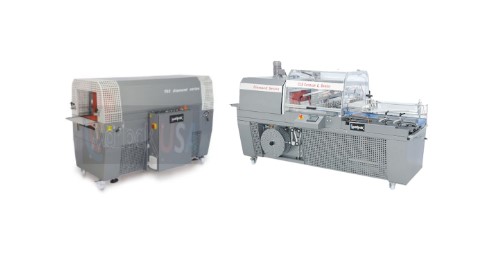

Belt conveyors are widely used across industries such as manufacturing, mining, logistics, and food processing due to their efficiency in material handling. A belt conveyor system helps transport goods quickly and consistently, reducing manual labor and improving productivity. However, despite its advantages, improper use or lack of safety measures can lead to accidents and operational disruptions. Understanding safety standards and following proper operational guidelines is essential for ensuring smooth and secure functioning.
Importance of Safety in Belt Conveyor Systems
Safety is a critical aspect of any industrial equipment, and a belt conveyor is no exception. These systems involve moving parts, heavy loads, and continuous operation, which can pose risks if not managed properly. Common hazards include entanglement, slipping, falling materials, and mechanical failures.
Implementing strict safety protocols not only protects workers but also enhances operational efficiency. Reduced accidents lead to fewer downtime incidents and improved overall productivity. Therefore, organizations must prioritize safety at every stage of belt conveyor usage.
Key Safety Standards for Belt Conveyors
Several international and industry-specific standards govern the safe use of belt conveyor systems. These standards focus on design, installation, operation, and maintenance to minimize risks.
Basic safety requirements include proper guarding of moving parts, installation of emergency stop mechanisms, and clear labeling of hazard zones. Safety guards should cover pulleys, belts, and rotating components to prevent accidental contact. Emergency stop devices must be easily accessible and regularly tested to ensure functionality.
Additionally, electrical systems should comply with safety regulations to avoid risks such as short circuits or electrical shocks. Adhering to these standards ensures that the belt conveyor operates within safe parameters.
Proper Installation and Setup
Correct installation is fundamental to the safe operation of a belt conveyor. The system should be installed on a stable and level surface to prevent misalignment and uneven wear. Proper alignment of belts and pulleys is essential to avoid excessive friction and potential breakdowns.
It is also important to ensure that all components are securely fastened and that the conveyor is tested before full-scale operation. Professional installation and inspection help identify potential issues early and reduce the likelihood of accidents.
Operational Guidelines for Safe Use
Operating a belt conveyor requires adherence to specific guidelines to maintain safety and efficiency. Workers should be trained to use the equipment correctly and understand the associated risks.
Operators must avoid overloading the conveyor, as this can lead to belt damage and system failure. Materials should be evenly distributed to maintain balance and prevent spillage. It is also important to keep hands, clothing, and tools away from moving parts during operation.
Regular Maintenance and Inspection
Routine maintenance is crucial for the longevity and safety of a belt conveyor. Regular inspections help identify wear and tear, misalignment, or damaged components that could lead to failures.
Maintenance tasks include checking belt tension, inspecting rollers and pulleys, lubricating moving parts, and ensuring that safety devices are functioning properly. Any damaged or worn-out parts should be replaced promptly to prevent further issues.
Role of Training and Awareness
Employee training plays a significant role in maintaining a safe working environment. Workers should be educated about the proper use of a belt conveyor, potential hazards, and emergency procedures.
Training programs should include hands-on demonstrations, safety drills, and regular updates on best practices. Awareness campaigns can also reinforce the importance of following safety protocols.
Emergency Preparedness and Risk Management
Despite all precautions, emergencies can still occur. Having a clear emergency response plan is essential for minimizing damage and ensuring worker safety.
Emergency procedures should include immediate shutdown protocols, first aid measures, and communication strategies. Regular drills can help workers respond quickly and confidently in critical situations.
Risk assessments should also be conducted periodically to identify potential hazards and implement preventive measures. Proactive risk management reduces the likelihood of accidents and enhances overall safety.
Conclusion
Belt conveyor systems are essential for efficient material handling, but their safe operation depends on strict adherence to safety standards and guidelines. Integrating such systems with advanced solutions like shrink film bundling equipment further enhances efficiency and streamlines industrial operations. From proper installation and regular maintenance to employee training and emergency preparedness, every aspect plays a crucial role in ensuring reliability and safety.