

Two of the most demanding fields in contemporary architecture are sustainable design and hotel architecture. Sustainable architects in India face the challenge of making environmental responsibility central to their practice while delivering buildings that clients and users love. Hotel design architecture requires creating environments that balance operational efficiency with the kind of experiential richness that makes guests want to return. Morphogenesis, established in 1996 by Sonali and Manit Rastogi, excels in both of these areas, guided by the S.O.U.L. philosophy that places sustainability at the heart of every project the firm undertakes.
With nearly three decades of practice, offices in New Delhi, Mumbai, Pune, and Bengaluru, and a portfolio spanning over 8 countries, Morphogenesis has built the most internationally recognized body of sustainable architectural work produced by any Indian firm. Its approach to hotel design architecture reflects the same values: deeply contextual, environmentally responsible, and experientially exceptional.
Sustainable Architecture as a Core Practice
For Morphogenesis, sustainability is not a certification target or a marketing claim. It is embedded in the S.O.U.L. philosophy as the first and foundational principle that guides all design decisions from site selection through material specification to building operation.
Passive Design as the Primary Strategy
Morphogenesis prioritizes passive design strategies over mechanical systems as the primary tool for achieving thermal comfort and energy efficiency. Building orientation, window-to-wall ratios, shading devices, natural ventilation paths, and thermal mass are all calibrated in the early design stages to minimize the building’s reliance on air conditioning, artificial lighting, and mechanical ventilation systems.
Climate-Specific Sustainability
India’s extraordinary climate diversity means that sustainability solutions must be site-specific rather than standardized. The strategies appropriate for a building in hot and dry Rajasthan differ fundamentally from those needed in the humid tropics of Kerala or the composite climate of Delhi. Morphogenesis develops climate-specific sustainability strategies for every project based on detailed analysis of local climate data and site conditions.
Material Selection and Embodied Carbon
Morphogenesis’s sustainable approach extends beyond operational energy to the embodied carbon of the materials used in construction. The firm prioritizes regionally available materials that support local craft traditions, require minimal processing, and have long service lives that extend the period between replacements. This material intelligence reduces the environmental cost of construction while producing buildings with a strong sense of place.
Water Management and Resource Efficiency
In a country facing increasing water stress, responsible water management is an essential dimension of sustainable architecture in India. Morphogenesis integrates rainwater harvesting, greywater recycling, low-flow fixtures, and drought-tolerant landscape design into projects as standard features rather than optional sustainability upgrades.
Morphogenesis in Hotel Design Architecture
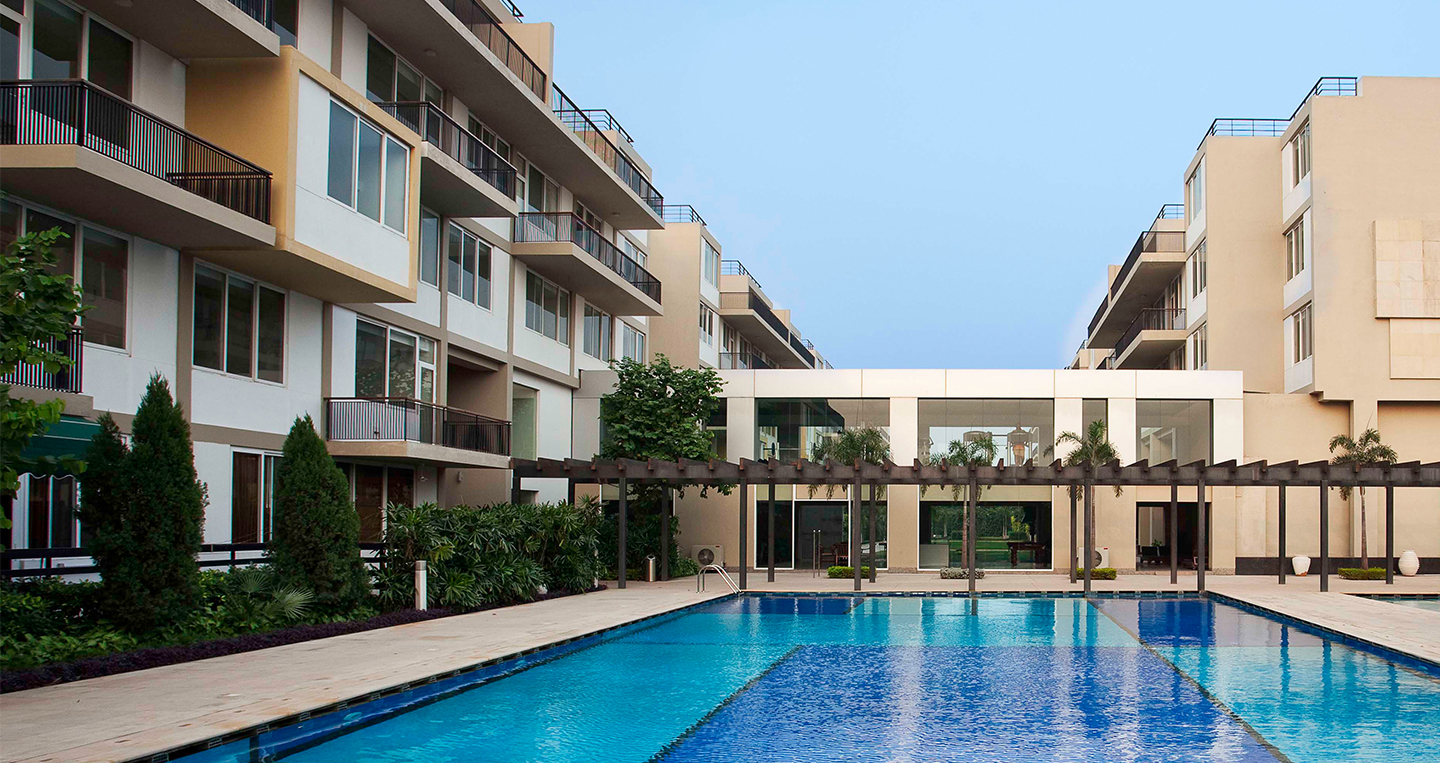
Hotel design architecture presents a unique set of design challenges because the building must serve as a commercial operation, a guest experience environment, and a workplace simultaneously. Morphogenesis brings its full design intelligence to hospitality commissions, creating hotels that perform at the highest operational standard while delivering the kind of architectural experience that differentiates a property in a competitive market.
Context and Sense of Place
The most successful hotels in the world are those that feel unmistakably of their location. Generic hotel design, replicating international brand standards without reference to local culture or landscape, produces environments that could be anywhere and therefore feel like nowhere. Morphogenesis grounds every hotel design project in the specific cultural, geographical, and historical context of its site, creating properties that are authentic expressions of their place.
Integration of Landscape and Architecture
In hotel design architecture, the landscape is as important as the building. Arrival sequences, garden spaces, pool environments, and the relationship between guest rooms and the surrounding landscape all contribute significantly to the overall guest experience. Morphogenesis designs hotel landscapes as integral extensions of the architectural composition rather than afterthoughts applied once the building design is complete.
Sustainable Hotel Design
Hotels are among the most energy and water-intensive building types. A sustainable approach to hotel design architecture is therefore both an environmental obligation and a commercial advantage, reducing the operating costs that directly affect hotel profitability. Morphogenesis integrates passive design strategies, energy-efficient systems, and water conservation measures into hotel projects in ways that enhance rather than compromise the guest experience.
The Lalit Suri Hospitality School
The Lalit Suri Hospitality School in Faridabad is one of Morphogenesis’s most recognized contributions to hospitality architecture. Featured in IFJ Magazine, this project demonstrates the firm’s ability to design a building that serves both educational and hospitality functions while embedding sustainable design throughout the campus. The school creates a learning environment that replicates the standards of a luxury hospitality operation while demonstrating the potential of environmentally responsible architecture.
Why Sustainable Hotel Design Matters for India
India’s hospitality sector is growing rapidly, driven by domestic tourism, business travel, and international visitor arrivals. Each new hotel represents an opportunity to demonstrate that high-quality hospitality experiences can be delivered without the environmental costs that conventional hotel development typically incurs.
- Energy costs represent a significant proportion of hotel operating expenses. Passive design that reduces cooling and lighting loads directly improves hotel profitability while reducing carbon emissions throughout the building’s operational life.
- Water scarcity in many parts of India makes water conservation particularly critical in the hospitality sector, where guest consumption patterns and pool and landscape irrigation can create very high per-room water demand without careful design.
- Guest preferences are evolving, with an increasing proportion of travelers actively choosing hotels that demonstrate environmental responsibility and cultural authenticity over generic international brand experiences.
- Regulatory requirements for sustainable building performance are becoming more stringent across India, making early adoption of sustainable design practices a competitive advantage for hotel developers and operators.
International Recognition of Sustainable Architecture Excellence
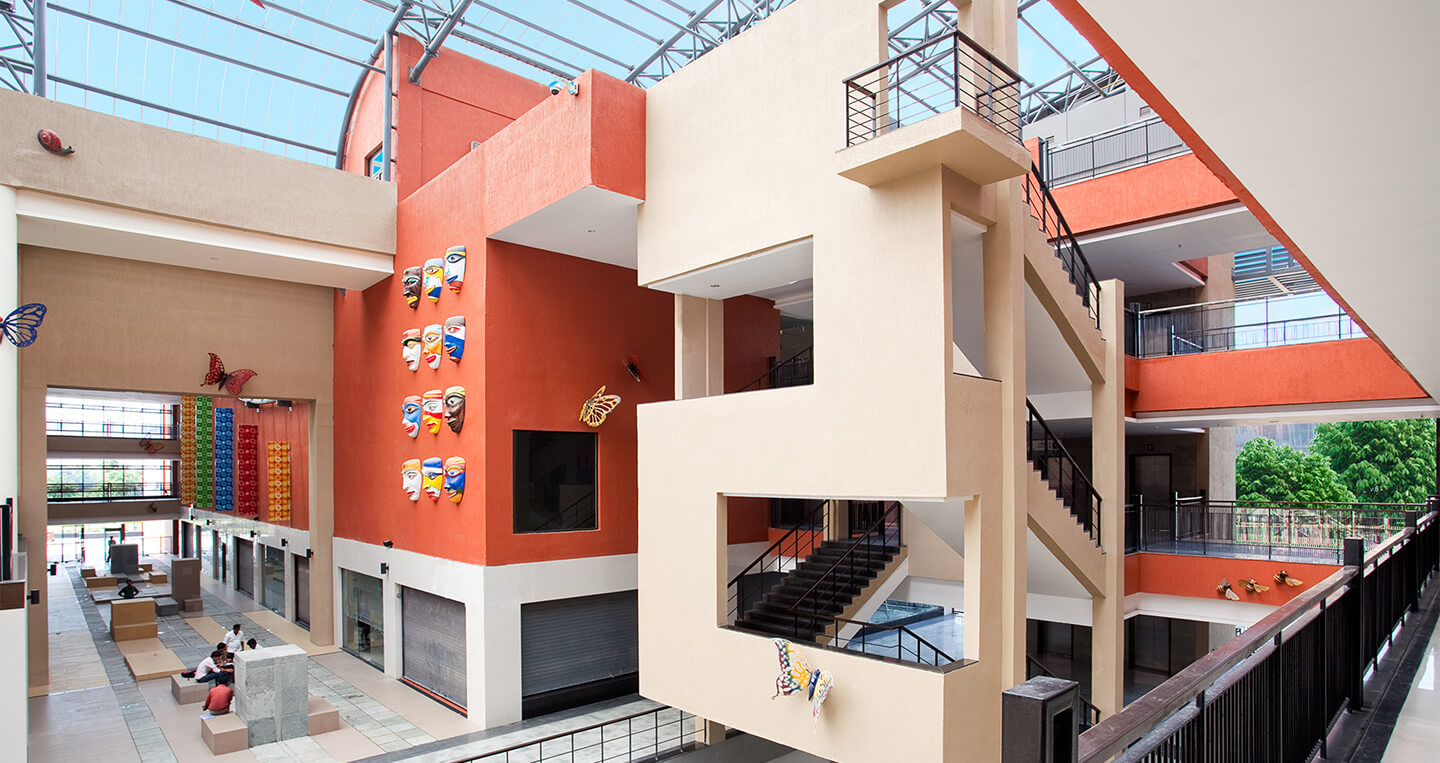
Morphogenesis’s standing as one of the most significant sustainable architects in India has been confirmed through extensive international recognition that places the firm among the world’s leading sustainable design practices.
- Inclusion in the WA100 list of the world’s top 100 architectural design firms by Building Design magazine confirms that Morphogenesis’s sustainable design practice meets globally recognized standards of architectural excellence.
- The Singapore Institute of Architects’ Getz Award recognized the firm for emergent architecture in Asia, acknowledging its contribution to the development of a distinctively Asian approach to sustainable contemporary design.
- AD100 recognition for multiple Morphogenesis projects, including public and community architecture categories, confirms the firm’s ability to deliver sustainably designed buildings of national cultural significance.
- More than 200 national and international awards and features in over 1,100 publications confirm the consistency and quality of Morphogenesis’s sustainable architecture practice across all project types and scales.
Working With Morphogenesis on Hotel and Sustainable Projects
Clients who engage Morphogenesis for hotel design architecture or sustainable building commissions receive a design partner whose commitment to environmental performance, cultural authenticity, and design quality is backed by the most extensive track record of any Indian architectural firm in this domain. The firm’s principals remain personally engaged with every project, and its design teams bring nearly three decades of accumulated knowledge to every commission.
Conclusion
Morphogenesis has defined what it means to be among the leading sustainable architects in India while simultaneously establishing a benchmark for hotel design architecture that is contextually rich, environmentally responsible, and experientially exceptional. For hotel developers, hospitality operators, and institutional clients seeking an architectural partner whose sustainability credentials and hotel design expertise are both nationally and internationally validated, Morphogenesis is the clear and compelling choice.