
B Pharma in Lucknow – What Aspiring Pharmacists Need to Know Before Choosing a College
Pharmacy is one of those professional fields where the degree you earn and the institution you earn it from have a direct, measurable impact on how your career begins. Unlike some disciplines where the college name matters less than the individual’s ambition and network, pharmacy education comes with regulatory requirements, laboratory competency standards, and licensing examinations that make the quality of the training program genuinely consequential. For students in Uttar Pradesh looking at B Pharma options in Lucknow, understanding what the degree actually involves — and what separates strong programs from weak ones — is the most important research step before any admission decision.
What B Pharma Actually Prepares You For
The Bachelor of Pharmacy is a four-year undergraduate professional degree regulated by the Pharmacy Council of India. It covers pharmaceutical chemistry, pharmacology, pharmacognosy, pharmaceutical technology, hospital and clinical pharmacy, and pharmaceutical management. Alongside the academic curriculum, laboratory work forms a significant portion of the program — students are expected to develop hands-on competency in drug formulation, analysis, quality control, and dispensing that directly supports their professional practice after graduation.
B Pharma graduates in India are eligible to register as pharmacists with the State Pharmacy Council, which is the mandatory step for practising pharmacy professionally. Registration allows graduates to work in hospital pharmacies, retail pharmacy chains, pharmaceutical manufacturing facilities, drug regulatory agencies, and clinical research organisations. The breadth of these options makes B Pharma one of the more versatile professional degrees available at the undergraduate level in India.
The Career Paths That Open After B Pharma
One of the genuine strengths of a B Pharma degree is the range of career directions it supports. Students entering the program often have a narrow initial picture of pharmacy as a retail-facing profession. The reality is considerably broader.
Hospital pharmacy is among the most professionally satisfying pathways — working within healthcare settings, managing drug inventories, counselling patients on medication, and collaborating with clinical teams on drug therapy management. This pathway is growing as Indian hospitals professionalise their pharmacy functions and recognise the clinical value of trained pharmacists within the care team.
Pharmaceutical manufacturing and quality control is another substantial employment sector. India is the world’s largest supplier of generic medicines, and the manufacturing ecosystem — from large API manufacturers to formulation companies — requires pharmacists for production, quality assurance, regulatory compliance, and research and development roles.
Clinical research has emerged as a fast-growing career option for pharmacy graduates, particularly those with strong pharmacology and biochemistry foundations. Contract research organisations, pharmaceutical companies running clinical trials, and regulatory affairs consultancies all employ pharmacy graduates in roles that offer strong salary progression and international exposure.
Drug regulatory affairs — managing the documentation, compliance, and approval processes for new pharmaceutical products — is a specialised but well-compensated pathway that B Pharma graduates with attention to detail and regulatory knowledge pursue successfully.
For those who prefer academic and research careers, M Pharma followed by PhD programs leading to teaching and research positions are natural progressions from a B Pharma foundation.
What Makes a Strong B Pharma Program
Pharmacy education in India is regulated by the Pharmacy Council of India, which sets curriculum standards and minimum infrastructure requirements for approved colleges. PCI approval is the baseline requirement — it’s necessary but not sufficient to evaluate program quality.
Laboratory infrastructure is the most critical differentiator in pharmacy education. A program that meets PCI minimum requirements but doesn’t invest beyond them produces graduates who are theoretically trained but practically underprepared. Pharmaceutical chemistry labs, pharmacology labs, pharmaceutical technology labs, and quality control labs all need to be equipped with instruments and reagents that reflect actual industry practice — not just the minimum set required for regulatory compliance.
Faculty with industry exposure is the second significant differentiator. Pharmacy instructors who have worked in pharmaceutical manufacturing, hospital pharmacy, or clinical research bring practical insight that shapes how students understand the connection between academic knowledge and professional application. This is particularly important in laboratory sessions where the gap between textbook procedure and real laboratory practice can be wide without experienced guidance.
Placement track record matters in pharmacy as much as in engineering. B Pharma graduates typically enter the job market at a stage where pharmaceutical industry connections, campus recruitment relationships, and placement cell seriousness significantly affect first-job outcomes. Asking specifically about recent placement statistics — companies, roles, and starting compensation — reveals the practical value of the college’s industry relationships.
Why Lucknow Is a Strong Base for B Pharma Studies
Lucknow’s advantages for pharmacy education extend beyond the classroom. As the state capital, it hosts several government hospitals, private healthcare institutions, and pharmaceutical distribution operations that provide practical exposure opportunities for B Pharma students. Proximity to UP’s regulatory offices and the pharmaceutical supply chain infrastructure of a major state capital adds a practical dimension to academic learning that smaller city programs cannot replicate.
The competitive academic environment of Lucknow also prepares students more rigorously for the licensing examinations and competitive recruitment processes that determine early career outcomes.
Dr. M.C. Saxena College of Pharmacy
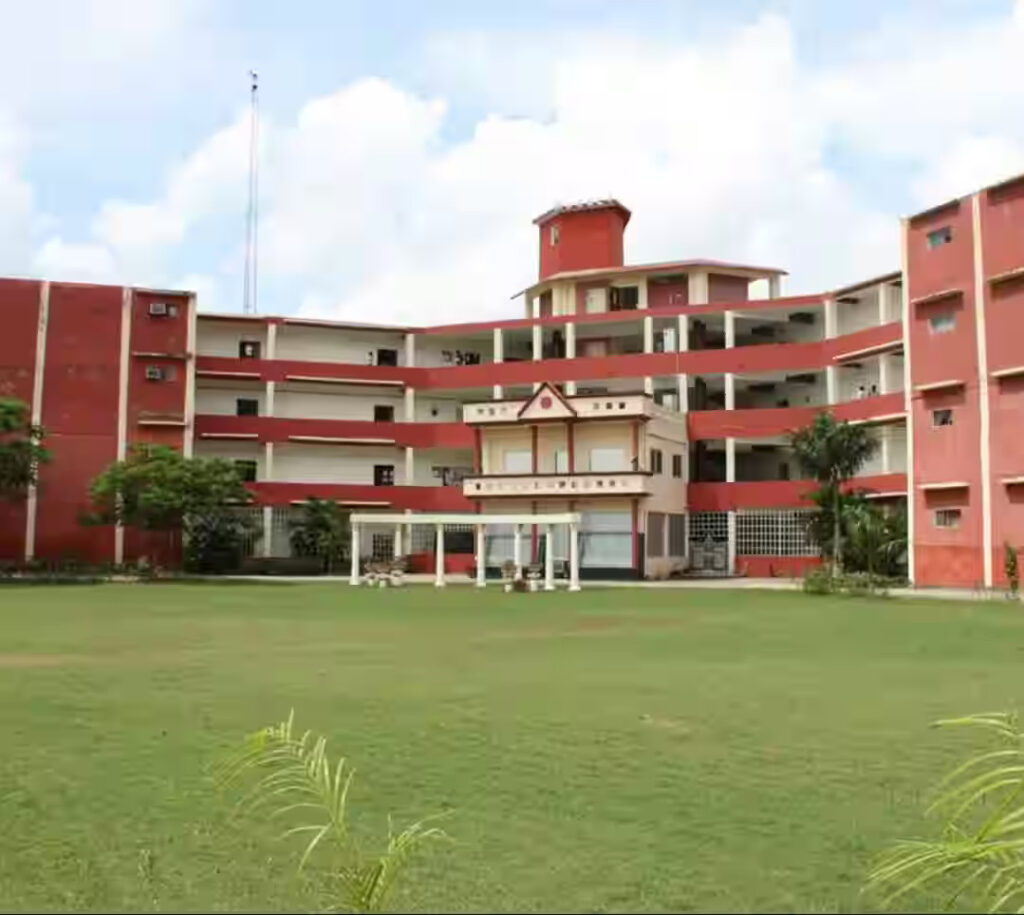
For students actively researching B Pharma in Lucknow, Dr. M.C. Saxena College of Pharmacy under the MCSGOC group is worth serious consideration. The college has structured its B Pharma program around the practical preparation gaps that matter most in pharmacy education — well-equipped laboratories, faculty with professional experience beyond academia, and a placement approach built on genuine pharmaceutical industry relationships.
The institution’s position within the broader MCSGOC group provides access to the institutional infrastructure and administrative experience of a multi-discipline education group that has been operating professional programs in Lucknow for a significant period.
Making a Decision That Serves Your Pharmacy Career
The B Pharma degree is a four-year investment in a professional career that can span thirty or more years. The college where those four years are spent determines the foundational competence, professional network, and career trajectory that everything else builds on. Visiting shortlisted colleges, asking direct questions about laboratory infrastructure and placement outcomes, and speaking to current students and recent graduates produces a more accurate picture of program quality than any brochure or ranking system manages to capture.