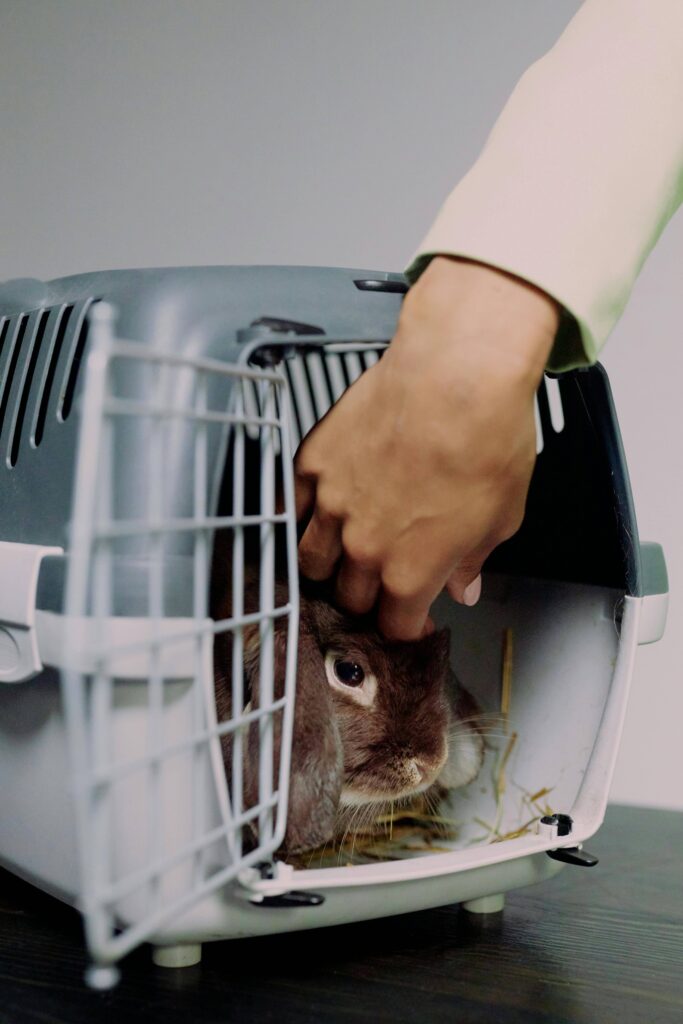

Moving animals safely involves more than just a quick drive from one point to another. It requires a thoughtful plan and a real grasp of how they feel. Most people think a short trip is no big deal. But things may become messy since pets deal with stress in a different way than we do, and they often get anxious while traveling, which can cause problems with their behavior. Packing for a trip is more than just getting a carrier or some chow. The most important things are being comfortable and having a stable atmosphere. To be successful, you need to be able to see an issue before it happens.
Preparing the Ideal Travel Environment for Animals
For a pet, travel is nothing if they don’t feel safe. Choosing a big kennel makes sure they have room to stretch or turn around on long trips along the highway. When plastic crates are too small, they might cause tight joints and obvious worry. Putting the gear in early turns a scary thing into a safe place to sleep. Tossing a worn shirt or a well-loved toy inside makes a huge difference.
Good airflow is something people often forget until the air gets stuffy. Ventilation must stay open whether the trip is by car or another way. Temperatures shift fast, and animals are not great at cooling themselves down like humans are. Always check that no heavy pillows block the mesh holes on the side of the crate. Keeping the space clear ensures they breathe well and stay cool for the whole trip.
Managing Food and Water During the Journey
Feeding requires a bit of balance to avoid a sick stomach or a ruined interior. A giant meal right before the door shuts often leads to a disaster for everyone. Offering a small snack a few hours before the start is a better path than a full bowl. This keeps their energy up without making them feel heavy during the bumpy ride. Keeping their diet the same avoids bathroom issues that add extra pressure to the day.
Water is a giant part of safe travel, but it takes some clever thinking. Normal bowls spill and leave the floor wet and cold. Using a clip-on bottle or even a frozen bowl of water that melts slowly works much better. This method provides a drink without making a mess. Offering small sips during a stop is a smart move too. Staying hydrated keeps them awake and strong against the exhaustion that comes with long trips.
Prioritizing Safety Measures During Pet Transportation
Identification is the best tool for those moments when things go wrong. Every animal needs a collar with clear tags that stay put. Microchips provide a permanent backup in case a collar falls off during a busy moment. Taking a moment to verify the phone numbers on those tags is worthwhile. This simple check ensures that contact remains possible at any time. It creates a net that keeps a pet from getting lost in a strange town.
Many people forget to bolt the carrier down inside the vehicle, which is a major risk. A crate that slides around during a sudden stop can hurt the animal or scare the driver. Using seatbelts or straps keeps the unit in one spot. This stability helps the pet feel grounded since they are not being tossed around by every turn. Consistent placement allows domestic pet transportation to stay smooth and predictable for the animal.
Observing Behavioral Cues to Reduce Travel Stress
If you look for indicators of worry, you can act before a small problem becomes a major one. An animal’s heavy panting or loud whining typically indicates that they are afraid or feel trapped. If those things happen, it’s better to find a quiet place to park and say something kind. A soft voice or a hand on the crate might sometimes help their pulse rate decrease. Being patient is the most helpful thing you can do during the whole process.
Limiting loud noise or rapid movements inside the car keeps things peaceful. Soft music or a low volume helps hide the loud roar of trucks and wind. Some animals like a light cloth over the crate to block out the chaotic world outside the glass. By managing what they see and hear, you help them stay calm. A relaxed pet is much easier to help and far more likely to get there in good shape.
Conclusion
Hence, to sum-up, making the journey a good experience depends on your focus on their needs. Ensure you take the time to explore the best ways to move, so you do not miss any details in the rush. Your pet relies on you to make the right decisions while they are in an unfamiliar environment. Putting wellness first makes a tough change easier to handle. Seeing a good friend come home from a long trip makes me feel relaxed. These kinds of attentive changes really make the place feel warm and welcoming, which makes everyone feel at home and at ease.