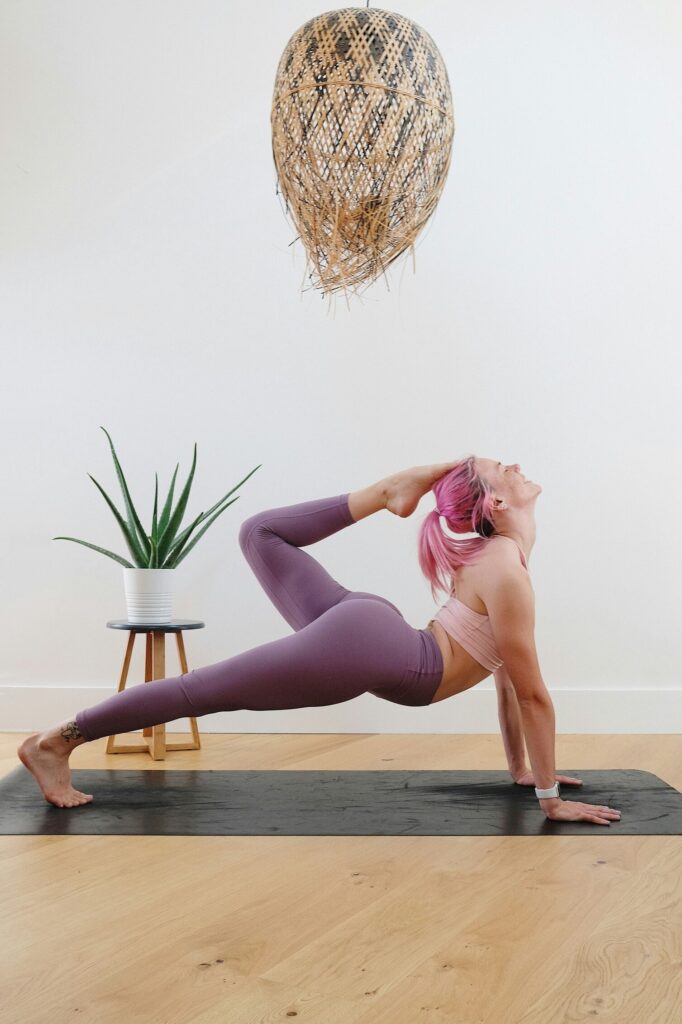

Yoga has evolved into many styles, but two of the most popular and widely practiced forms today are Ashtanga Yoga and Vinyasa Flow. While both share common roots and emphasize the connection between breath and movement, they offer very different experiences on the mat. Understanding the differences between ashtanga yoga vs vinyasa flow can help you choose the style that best suits your goals, personality, and lifestyle.
What is Ashtanga Yoga?
Ashtanga Yoga is a traditional and structured style of yoga based on a fixed sequence of postures. It follows a disciplined system rooted in the teachings of the Yoga Sutras and is designed to build strength, flexibility, and mental focus.
In Ashtanga Yoga, practitioners follow a set series of poses in a specific order every time they practice. These sequences include the Primary Series, Intermediate Series, and Advanced Series, each becoming progressively more challenging.
The repetition of the same sequence helps students develop consistency, discipline, and a deeper awareness of their body and breath. This methodical approach is ideal for those who prefer structure and long-term progression.
What is Vinyasa Flow Yoga?
Vinyasa Flow Yoga is a more dynamic and creative style that evolved from Ashtanga principles. The word “Vinyasa” means “to place in a special way,” referring to the intentional linking of movement with breath.
Unlike Ashtanga Yoga, Vinyasa Flow does not follow a fixed sequence. Each class is different, often designed around a theme, peak pose, or specific intention.
This flexibility allows teachers to create unique and engaging sequences, making Vinyasa Flow more adaptable and accessible for a wide range of practitioners. It is often described as a flowing, dance-like practice that emphasizes creativity and variety.
Key Differences Between Ashtanga Yoga and Vinyasa Flow
1. Structure and Sequence
The most significant difference in ashtanga yoga vs vinyasa flow lies in structure. Ashtanga Yoga follows a fixed and traditional sequence that remains the same in every class. Practitioners repeat the same poses in the same order, allowing them to track progress and refine their practice over time.
In contrast, Vinyasa Flow is flexible and ever-changing. Each class offers a new sequence, making it more engaging for those who enjoy variety and creativity.
2. Repetition vs Creativity
Ashtanga Yoga emphasizes repetition. By practicing the same sequence regularly, students build discipline, strength, and muscle memory. This repetition also supports deeper internal awareness.
Vinyasa Flow, on the other hand, focuses on creativity. Teachers design unique flows, often incorporating different transitions, themes, and movements. This makes each class feel fresh and exciting.
3. Intensity and Physical Demand
Ashtanga Yoga is generally more physically demanding. It follows a consistent pace and requires stamina, strength, and commitment. Many practitioners follow a regular routine, sometimes practicing six days a week.
Vinyasa Flow varies in intensity. Some classes are gentle and slow, while others are fast-paced and challenging. This adaptability makes it suitable for beginners as well as advanced practitioners.
4. Teaching Style
Ashtanga Yoga is often taught in a Mysore-style format, where students practice independently while the teacher provides guidance and adjustments. This encourages self-discipline and personal growth.
In contrast, Vinyasa Flow classes are typically fully guided by an instructor. The teacher leads the class through sequences, often incorporating music and creative transitions.
5. Pace and Rhythm
Ashtanga Yoga follows a steady and consistent rhythm. Each movement is synchronized with breath, maintaining a uniform pace throughout the practice.
Vinyasa Flow offers a varied pace. Classes may include slow, mindful movements as well as faster, more dynamic sequences, creating a fluid and rhythmic experience.
6. Focus and Philosophy
Ashtanga Yoga has a strong foundation in traditional philosophy and discipline. It is closely connected to the eight limbs of yoga and emphasizes a holistic approach to physical, mental, and spiritual development.
Vinyasa Flow, while still rooted in traditional yoga, is more modern and adaptable. It often focuses on physical movement, creativity, and personal expression, making it more accessible to contemporary practitioners.
Similarities Between Ashtanga Yoga and Vinyasa Flow
Despite their differences, both styles share several important similarities. They both link breath with movement, creating a flowing sequence of postures. This connection helps improve focus, build strength, and enhance flexibility.
Both styles also promote mindfulness and body awareness. Whether through repetition in Ashtanga or creativity in Vinyasa, practitioners develop a deeper connection with their breath and movement.
Additionally, both practices offer physical and mental benefits, including improved endurance, reduced stress, and increased overall well-being.
Benefits of Ashtanga Yoga
Ashtanga Yoga is ideal for those who enjoy discipline and structure. Its consistent sequence helps build strength, flexibility, and stamina over time. The repetitive nature of the practice allows for measurable progress and mastery of poses.
It also promotes mental clarity and focus. By following a set routine, practitioners develop concentration and self-discipline, which can extend beyond the yoga mat.
Benefits of Vinyasa Flow Yoga
Vinyasa Flow is perfect for those who enjoy variety and creativity. Its dynamic sequences improve cardiovascular fitness, build strength, and enhance flexibility.
The flowing nature of the practice makes it feel more like a moving meditation, helping to reduce stress and promote relaxation. Its adaptability also makes it suitable for practitioners of all levels.
Which One Should You Choose?
Choosing between ashtanga yoga vs vinyasa flow depends on your personal preferences and goals.
If you prefer structure, discipline, and a traditional approach, Ashtanga Yoga may be the right choice. It is ideal for those who enjoy routine and want to track their progress over time.
If you enjoy creativity, variety, and a more flexible practice, Vinyasa Flow might suit you better. It offers a dynamic and engaging experience that changes with each class.
Some practitioners even choose to combine both styles, benefiting from the discipline of Ashtanga and the creativity of Vinyasa.
Conclusion
Ashtanga Yoga and Vinyasa Flow are both powerful and transformative practices, each offering unique benefits. While Ashtanga provides structure and discipline through fixed sequences, Vinyasa offers freedom and creativity through ever-changing flows.
Understanding the differences between these two styles can help you make an informed decision and find a practice that aligns with your lifestyle and goals. Whether you choose the structured path of Ashtanga or the fluid movement of Vinyasa, both can lead to improved health, mindfulness, and a deeper connection to your yoga journey.