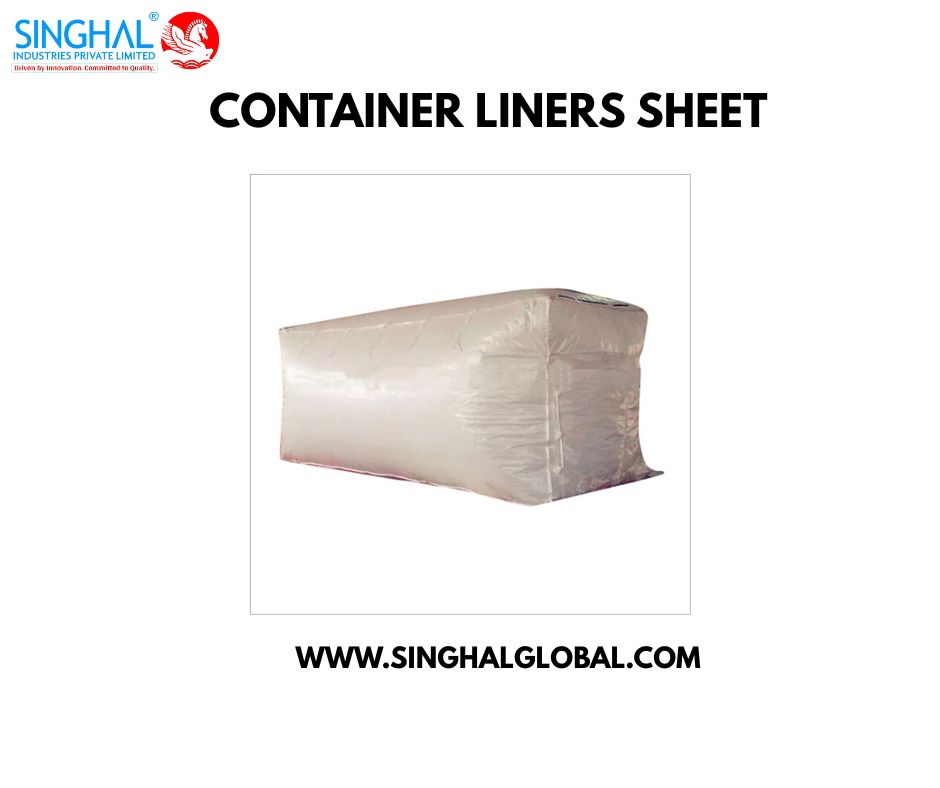

The container liners are those large plastic bags placed in regular containers to create a protective environment for handling bulk cargo such as grains or chemicals. These liners fit snugly into standard containers of 20 feet or 40 feet in size.
Understanding Container Liners
In essence, a container liner is a large, soft bag made from PE or PP films which have an immense thickness ranging from 50 to 200 microns and can carry as much as 20-30 tons. The liners are draped over the container sides, roof bowing, and floor. They can be either smooth or woven, providing protection against any abrasive material.
The filling is done by means of sleeves at the top end, while discharge is achieved through the outlets at the bottom. Moreover, there exist food grade container liners that guarantee no harmful residue contamination. But the big question: do they close airtight? Unfortunately not always since punctures occur due to sharp objects that may be found within the cargo. In this case, an informal remedy: inspect your load for rocks and hooks.
There exist several types of container liners for specific use including dry bulk for powdery cargoes, barrier ones for humid materials, and conductive for prevention of sparks. They can be carried flat in rolls without much weight. Nevertheless, human factor plays a major role when fitting them in containers.
Step-by-Step on Installation and Usage
Initially, eyeball the spotless bin—absolutely no residual rice powder. Open the bag, secure its ends to the bows (the metallic rods located at the bin’s upper section), then seal the inner sides from floor to ceiling using tapes. Loading is gradual, depending on the mode of transport: pneumatic conveying for powders and gravity flow for large particles.
Upon completion, at the port: Unscrew the discharge mechanism or puncture the bin—contents discharged within minutes into waiting lorries. High flow rates can drain a 40-foot bin within eight to ten minutes. However, oops—the sag factor occurs when straps become loose, causing accumulation of contents and eventual tearing of the liner. Remember chasing a flour spillage within a port yard? Hellacious. Hint: Two-person crews and trial runs ensure sanity.
Tear-down process? Simply remove and roll up if recyclable. Mostly one-off, but clean bags used twice.
The Most Outstanding Advantages That Deliver High Payoffs
Moisture protection protocol – no rain or perspiration damaging hygroscopic cargo such as urea. Contamination? None from rusting cargo holds or previous cargo. Insurance claims reduced by 80-90 percent; pleased insurance companies.
Quick loader/unloader – cut loading and unloading times to minutes without shovels or fewer forklifts. Labor costs drop by 50 percent, productivity goes up. Economically? No cleaning of containers after transportations; turnaround becomes fast. Lightweight allows maximum payload – additional tons per journey translate into profit.
Flexible for any dry bulk; stackable and orderly. Environmentally friendly: no wooden pallets and packing boxes, PE recyclable. Paradoxical: plastic debris, yes, but reduction in deterioration is environmentally sustainable. Injuries reduce too – less manual handling. Question: Always inexpensive? Initial investment hits small business owners hard while scalability favors large enterprises. Seam strength and humidity regulation ensure high-quality products.
Bulk Cargo Applications in Everyday Life
Grain lead the way: Wheat, rice, corn shipped contamination-free to Africa or Europe—the liner stops pests, mold. India’s agri exports flourish along with them; lined containers abound in Mundra port.
Fertilizers and chemicals: Soda ash and phosphates move without caking. Pet food, flour, and sugar delivered without residues at processing mills. Bulk minerals such as cement and fly ash are discharged without dusting. Waste recycling is handled smoothly.
Containers lined for food-grade shipments for malt, coffee—the odor stays away, freshness remains. Even tobacco and starch can be lined. Dry bulk container liners exporters are promoting their use globally and especially where shipment conditions are rough. Informal story: Some rice traders stopped using bagging—according to him, odors disappeared, premium prices skyrocketed. Granules only? What about pallets? Volume of cargo shouts for liners.
Pharmaceutical powders can also benefit from liners—barrier liners ensure absolute protection.
Factory Exporting from India
India is excelling in this field. Lined containers factories in Gujarat manufacture PE film extrusion machines day and night—Singhal Industries takes the lead providing customized dry bulk containers 40 feet long, ISO food-grade. Jet Tech started exporting wagon liners since 1996.
Dry bulk container liners exporter suppliers in Bangalore, Valsad export to Middle East, USA—Impel, Century FIBC push tough co-extruded liners. Cost? ₹40K-80K INR per 20ft set, bulk reduces that. Local fiber/film stays affordable; monsoon-resistant coating standard.
Factory combines printing, welding—complete solution. Boom from rice/urea exports—governments mandate liners for sanitation. But poor quality fakes abound—either virgin resins or nothing. Q: Beat Chinese? On price—dead heat.
Liners to Suit Your Goods
Plain PE: Cheap dry products. Woven PP: Abrasive products tough. Multi-layer barrier: Moisture-sensitive grains. Conductive: Spark-sensitive powders. Hermetic: Near-perishable products.
Top-loading easy access, bottom-unloading speedy. Wet holding variants drain storage holds hidden features. Against sacks: Liners use entire container space, no wasted corners. Human complaint: Too many choices—begin with plain liner, then upgrade.
Insider Tips and Cargo Shipper Tales
Chennai grains carrier: Liners reduce mold loss by 95%, business ensured. Chemical plant? Received urea as fluff, not bricks. Tip: Apply double-tape on floor—rips start there first.
Pitfalls: Overfilled tears seams. High temperatures (40°C India summers) soften thin plastic film—increase film thickness. Electrical discharge? Ground the container. Irony: “Foolproof?” No way—sharp products damage liners too—cushion cargo.
Storage roll dry, unroll slowly. Training crew? Money in bank—missteps waste days.
Issues and Solutions
Pinhole punctures caused by inner junk—use thicker/double-wall options. Assembly errors hinder flow—use pre-assembled packages. Budget impacts small businesses. Moisture distorts thin polyethylene films—polypropylene alternatives thrive in humid environments.
Dust storm rises from landfill site—hoods collect them. Environmental issues: Waste plastic to landfills—rewards for recycling grow. Inquiry: Future-proofing? Sensors are being developed for live monitoring.
Recycling regulations increase—tests conducted on biodegradability.
Future Developments
Liners with IoT integration—temperature/humidity alerts. Nanocoatings make them light yet strong. Increase in recycled materials to 50%. Automated filling devices perfectly match up. India Container liner factory India hunt for EV metals—organic growth takes off. Double exports? Port infrastructure prepared enough. Or massive backlog nightmare
Conclusion
Bulk liners ensure that all advantages of bulk cargo remain intact such as moisture resistance and fast processing from grain to minerals, resulting in reduced wastage globally. Complaints about wear and tear? Right choices avoid them effortlessly. Dry bulk liners exporters and bulk liners manufacturers in India offer excellent returns, enabling secure global transport. Bulk freight problems? Stand aside—the solution lies ahead.
Frequently Asked Questions (FAQs)
Q1: Who is the largest manufacturer of Container liner?
A: Singhal Industries Pvt Ltd is at the top with massive production capacity of liners, dry bulk globes—price leader, exports expert. Jet Tech Gujarat follows, experienced with decades of bulk liners.
Q2: Will they be used for liquids?
A: Only dry bulk. Liquids require flexitanks. Otherwise, spills will follow. Wet liner does have drains but not easy.
Q3: How fast unloading?
A: 10-20 minutes for professionals for 40 feet—magic valve. Mess up? Take hours. Proper equipment and speedy action.
Q4: Price per liner container?
A: 40-100,000 INR for 20 feet, decreasing costs for bulk. Compared to supposed savings? Steal long-term. Negotiate factories!
Q5: Are they safe from static fires?
A: Yes for conductive liners—grounding film. For powders