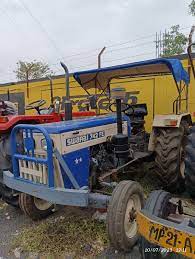

A brand-new tractor is a dream for many farmers. The shine, the smell of fresh paint, the untouched engine. But dreams don’t always match the reality of a farm budget. That’s where a used tractor enters the picture.
I’ve spent years around farms and tractor markets. Dusty yards filled with machines that have stories behind them. Some tractors are worn out. Others? Still powerful, still dependable. The trick is knowing the difference.
Buying a used tractor isn’t just about saving money. It’s about finding a machine that can still pull its weight in the field.
Why Farmers Still Prefer Used Tractors
Walk through any rural tractor market early in the morning. You’ll see farmers inspecting old machines like mechanics. Hands on the bonnet. Listening to engines. Sometimes even smelling the oil.
Why go through all that instead of buying new?
Simple. Price.
A used tractor can cost 40–60% less than a new one. For small and mid-sized farmers, that difference matters more than fancy features.
There’s another reason too. Older tractors are often simpler. Less electronics. More mechanical parts. That means easier repairs in village workshops where a laptop diagnostic tool isn’t available.
Many farmers trust these machines because they already proved themselves in real fields.
The Hidden Strength of Older Tractor Models
Some tractors just age well.
You’ll find 10-year-old machines that still start on the first crank. No smoke. No strange vibration. They’ve been maintained properly and used with care.
Older models were often built with thicker metal parts and straightforward engine designs. They were meant to run for years, sometimes decades.
A well-maintained used tractor can handle:
- Ploughing heavy soil
- Hauling loaded trolleys
- Running water pumps
- Operating rotavators
It may not look shiny anymore, but in the field, looks don’t matter.
Power does.
The First Thing I Always Check Before Buying
Forget the paint job.
A fresh coat of paint can hide plenty of problems. Sellers know that. That’s why experienced buyers focus on the engine first.
Start the tractor cold. Not after it’s been warmed up.
A healthy engine usually tells its story in seconds:
- Does it start easily?
- Is there excessive smoke?
- Are there unusual knocking sounds?
Blue smoke often hints at oil burning. Thick black smoke may mean fuel issues. Neither is ideal.
A smooth steady engine sound is usually a good sign.
Transmission and Clutch — The Real Work Test
A tractor can look strong while standing still. The real test happens when it moves.
Shift through every gear. Slowly. Then again while driving.
Grinding noises or stiff gears can indicate worn transmission components. Repairs there are not cheap.
Then comes the clutch test.
Press it down. Release slowly. The tractor should move smoothly without jerking or slipping. If the engine revs but the tractor struggles to move, the clutch might be worn out.
Hydraulic System: Small Detail, Big Impact
Many buyers forget about hydraulics.
That’s a mistake.
Hydraulics control implements like cultivators, ploughs, and rotavators. If they’re weak, your field work becomes frustrating.
Lift the hydraulic arms. Hold them up.
If they slowly drop without load, there could be leakage inside the system.
That means repairs later.
Not the end of the world. But definitely something worth negotiating the price for.
Tires Tell You More Than the Seller Will
Look closely at the tires.
They quietly reveal how the tractor lived its life.
Deep tread usually means lighter use. Completely worn tread suggests years of heavy field work or road hauling.
Also check for cracks along the sidewalls. Rubber ages even if the tractor isn’t used much.