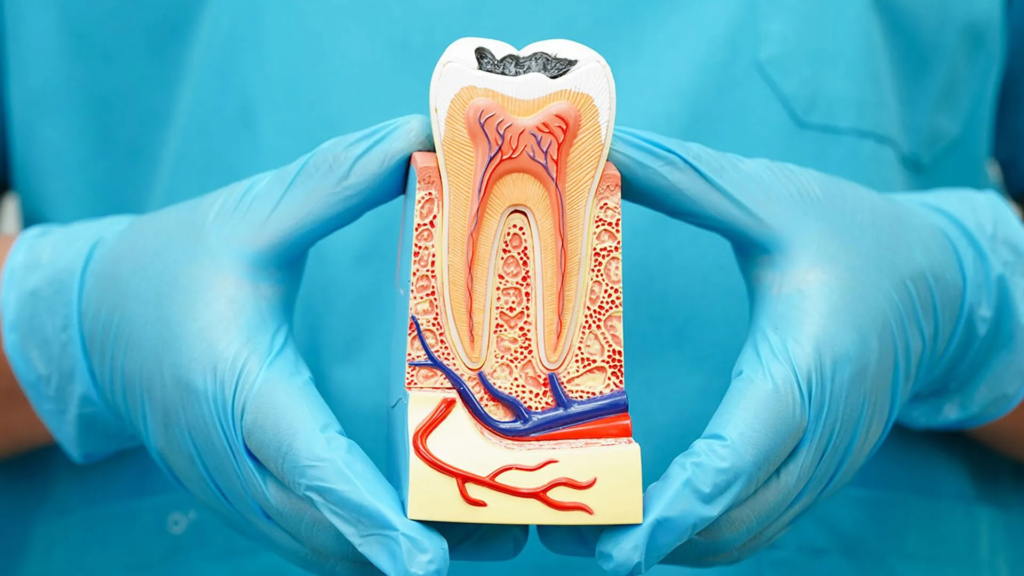

Dental health plays a critical role in our overall well-being, yet many people avoid visiting the dentist until pain becomes unbearable. Among the most common dental procedures that save teeth and prevent further complications is the root canal treatment. Often misunderstood and feared, root canal treatment is actually a routine procedure that can relieve pain and preserve your natural teeth. In this complete guide, we’ll walk you through everything you need to know about root canal treatment—from the causes and symptoms to the procedure, recovery, and aftercare.
What is Root Canal Treatment?
A root canal is a dental procedure designed to repair and save a tooth that is badly decayed or infected. The treatment involves removing the damaged or infected pulp from the inside of the tooth, cleaning and disinfecting the canals, and then filling and sealing the space. Once completed, the tooth is typically restored with a crown or filling to protect it and restore its function.
Despite its reputation, root canal treatment is no more uncomfortable than getting a standard filling. In fact, it can relieve the severe pain caused by infection or inflammation in the tooth.
Causes and Symptoms Requiring Root Canal Treatment
Root canal treatment is usually necessary when the pulp, the soft tissue inside the tooth containing nerves and blood vessels, becomes inflamed or infected. Common causes include:
- Deep decay: Untreated cavities that reach the pulp can cause infection.
- Repeated dental procedures: Multiple procedures on the same tooth can irritate the pulp.
- Cracks or chips in the tooth: Trauma can expose the pulp to bacteria.
- Severe gum disease: Infections can sometimes spread from gums to the tooth pulp.
Symptoms that indicate you may need a root canal include:
- Persistent or severe toothache
- Sensitivity to hot or cold temperatures
- Swelling or tenderness in nearby gums
- Darkening or discoloration of the tooth
- Pain while chewing or biting
Early detection is crucial. Ignoring these symptoms can lead to abscess formation, bone loss around the tooth root, and potentially the loss of the tooth.
The Root Canal Procedure: Step by Step
Root canal treatment generally requires one to two dental visits, depending on the complexity of the case. Here’s a step-by-step overview of what to expect:
- Examination and Diagnosis
Your dentist will begin with a thorough examination, often including X-rays, to assess the extent of damage or infection. This helps determine whether a root canal is the best option. - Anesthesia
Local anesthesia is administered to numb the tooth and surrounding area. Most patients report feeling little to no pain during the procedure. - Access Opening
The dentist creates an opening in the crown of the tooth to access the pulp chamber and root canals. - Cleaning and Shaping
The infected or damaged pulp is carefully removed. The canals are cleaned, shaped, and disinfected to ensure no bacteria remain. - Filling the Canals
The cleaned canals are filled with a biocompatible material called gutta-percha, which seals the space and prevents future infection. - Restoration
The tooth is then restored with a temporary or permanent filling. In many cases, a crown is placed over the tooth for added protection and functionality.
Recovery After a Root Canal
After a root canal, most patients experience mild discomfort or sensitivity for a few days. This can usually be managed with over-the-counter pain relievers. Your dentist may also recommend avoiding hard foods until the tooth is fully restored. Maintaining good oral hygiene—brushing twice daily, flossing, and using an antiseptic mouthwash—can promote healing and prevent further infection.
It’s important to attend follow-up appointments so your dentist can monitor the healing process and ensure the restoration is properly placed. Once fully restored, a tooth that has undergone root canal treatment can last a lifetime with proper care.
Benefits of Root Canal Treatment
Root canal treatment offers several significant benefits, including:
- Pain Relief: The procedure removes infected pulp, which is often the source of intense pain.
- Tooth Preservation: Root canal treatment allows you to keep your natural tooth rather than having it extracted.
- Prevention of Further Infection: Sealing the canals prevents bacteria from spreading to other areas of the mouth or jawbone.
- Restored Function: After restoration, the tooth functions like any other natural tooth, allowing you to chew and speak normally.
- Aesthetics: Modern restorations preserve the natural appearance of your smile.
If you are looking for emergency root canal treatment in Patia, it is essential to choose a clinic that combines experience with advanced technology. The Partha’s Dental Implant Clinic specializes in providing fast, pain-free root canal procedures, ensuring that even acute dental emergencies are treated effectively.
Myths and Misconceptions
Many people avoid root canals due to common myths, such as:
- “Root canals are painful.”
Modern techniques and anesthesia make the procedure no more painful than a routine filling. - “It’s better to extract the tooth.”
Saving your natural tooth is always preferable to extraction, as it maintains the integrity of your bite and prevents shifting of surrounding teeth. - “Root canal-treated teeth are weak.”
With proper restoration, a treated tooth is just as strong as a healthy tooth.
Understanding the facts can help reduce anxiety and encourage timely treatment.
Aftercare and Maintenance
Proper aftercare is essential for the long-term success of root canal treatment:
- Maintain excellent oral hygiene: Brush, floss, and use mouthwash daily.
- Avoid chewing hard foods on the treated tooth until the final restoration is complete.
- Visit your dentist regularly for checkups and professional cleanings.
- Report any unusual pain, swelling, or sensitivity immediately.
When to Seek Emergency Care
Although root canal treatment is highly successful, complications can occur. Seek immediate dental care if you experience:
- Severe swelling in the face or jaw
- Persistent or worsening pain after the procedure
- Fever or signs of infection
- Allergic reaction to medications
Prompt attention can prevent more serious issues and ensure your tooth heals properly.
Conclusion
Root canal treatment is a highly effective dental procedure that alleviates pain, prevents infection, and preserves natural teeth. Understanding the causes, procedure, recovery, and aftercare can help you approach treatment with confidence rather than fear. With modern dental techniques and proper oral hygiene, a tooth that has undergone root canal treatment can last a lifetime, keeping your smile healthy and functional.
Original Sources : – A Complete Guide to Root Canal Treatment