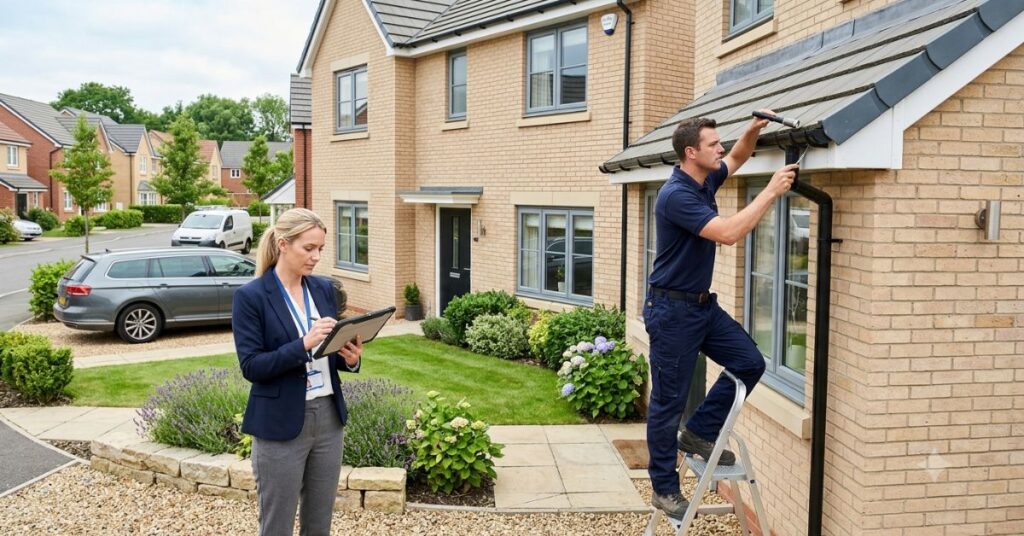

Property maintenance is one of the most important responsibilities for landlords and property owners who want to protect their investment and maximise long-term profitability.
It encompasses all the tasks required to keep a property safe, functional, compliant, and visually appealing throughout its lifecycle.
A well-maintained property not only helps preserve and increase its value but also reduces the likelihood of costly repairs, improves tenant satisfaction, and supports compliance with health and safety regulations.
As properties age, regular inspections and preventative maintenance become essential to avoiding unexpected issues that can disrupt occupancy and increase expenses.
Many landlords choose to work with a professional property maintenance company to ensure repairs, inspections, and upkeep are handled efficiently, allowing them to focus on managing their investments with confidence.
In today’s competitive property market, neglecting maintenance can quickly lead to property deterioration, tenant complaints, and expensive emergency repairs.
This guide provides a complete and easy-to-follow overview of property maintenance, covering key responsibilities, practical checklists, preventative strategies, and expert tips to help landlords and property owners keep their properties in excellent condition.
What is Property Maintenance?
Property maintenance is the process of preserving a building and its systems through regular inspection, repair, and improvement work. It covers everything from minor fixes like leaking taps to major structural building repairs.
It generally includes:
- Electrical system maintenance
- Plumbing system checks
- Structural repairs
- Painting and finishing
- HVAC servicing
- Roof inspections
- Safety compliance checks
For landlords, maintenance is not optional, it is a legal and financial necessity.
Importance of Property Maintenance for Landlords
Proper residential property care ensures long-term stability and profitability. Here are the key reasons why it matters:
1. Protects Property Value
Regular maintenance preserves the physical condition of the building, preventing depreciation.
2. Reduces Long-Term Costs
Preventive maintenance is far cheaper than emergency repairs.
3. Improves Tenant Retention
Tenants are more likely to stay in well-maintained properties.
4. Ensures Legal Compliance
Safety standards and housing laws often require regular inspections.
5. Prevents Major Damage
Early detection avoids expensive structural failures.
Types of Property Maintenance
Understanding different maintenance types helps landlords manage their properties effectively.
1. Preventive Maintenance
Preventive maintenance involves regular inspections and servicing to avoid breakdowns before they happen.
Examples include:
- HVAC servicing every 6 months
- Roof inspections before rainy seasons
- Plumbing checks for leaks
- Electrical wiring inspections
This is the most cost-effective maintenance strategy.
2. Corrective Maintenance
This involves repairing something after it breaks.
Examples:
- Fixing broken doors
- Repairing leaking pipes
- Replacing damaged tiles
While necessary, it is usually more expensive than preventative maintenance.
3. Emergency Maintenance
Urgent repairs that require immediate attention, such as:
- Burst pipes
- Electrical failures
- Gas leaks
- Roof collapse risks
Emergency maintenance is often costly and disruptive.
Building Repairs and Structural Maintenance
Building repairs are a core part of property maintenance. Structural integrity ensures the safety and longevity of the property.
Key areas include:
Foundation Repairs
Cracks in walls or foundations should never be ignored.
Roof Maintenance
Roof damage can lead to leaks, mold, and structural decay.
Wall and Paint Repairs
Protects against moisture and environmental damage.
Flooring Repairs
Cracked tiles or damaged flooring can be safety hazards.
Regular inspections help detect these issues early.
Maintenance Inspections: Why They Matter
Maintenance inspections are scheduled checks to assess the condition of a property.
Types of Inspections:
- Routine inspections (every 3–6 months)
- Annual structural inspections
- Pre-tenant inspections
- Post-tenant inspections
What Inspectors Check:
- Plumbing systems
- Electrical wiring
- Dampness and mold
- Structural cracks
- Appliance condition
Regular inspections are key to effective property upkeep.
Residential Property Care Best Practices
Managing residential property care requires consistency and planning. Here are some best practices:
1. Create a Maintenance Schedule
Plan monthly, quarterly, and yearly tasks.
2. Hire Qualified Professionals
Always use licensed electricians, plumbers, and contractors.
3. Document Everything
Keep records of inspections, repairs, and expenses.
4. Respond Quickly to Issues
Delays can turn small problems into costly repairs.
5. Educate Tenants
Encourage tenants to report issues early.
Property Maintenance Checklist (Essential Guide)
A simple checklist helps landlords stay organised:
Monthly Tasks:
- Check plumbing leaks
- Inspect electrical outlets
- Test smoke detectors
- Clean drainage systems
Quarterly Tasks:
- HVAC servicing
- Pest control checks
- Roof inspection
- Exterior wall condition check
Annual Tasks:
- Full structural inspection
- Painting touch-ups
- Deep cleaning of property
- Major appliance servicing
Cost of Property Maintenance
Maintenance costs vary depending on property size, location, and condition.
Common Cost Factors:
- Age of the property
- Material quality
- Type of maintenance required
- Labor charges
- Emergency repairs
Average Rule of Thumb:
Landlords often allocate 1%–4% of property value annually for maintenance.
Proper preventative maintenance reduces unexpected financial burdens.
Common Property Maintenance Mistakes
Many landlords make costly mistakes that reduce property lifespan.
1. Ignoring Small Repairs
Small leaks can turn into structural damage.
2. Skipping Inspections
Without regular maintenance inspections, hidden issues grow unnoticed.
3. Choosing Cheap Contractors
Low-quality work leads to repeat repairs.
4. No Maintenance Plan
Lack of planning results in reactive, expensive fixes.
5. Poor Documentation
Without records, tracking expenses becomes difficult.
Technology in Property Maintenance
Modern property management uses technology to improve efficiency.
Useful Tools:
- Property management software
- Maintenance tracking apps
- Smart home monitoring systems
- Digital inspection tools
Technology helps automate property upkeep, making it easier for landlords to manage multiple properties.
Preventive Maintenance Strategy
A strong preventative maintenance plan is essential for long-term success.
Steps to Build a Strategy:
- Identify critical systems (plumbing, electrical, roofing)
- Set inspection schedules
- Assign responsibilities
- Maintain service records
- Review performance annually
This strategy reduces emergency repairs and increases property lifespan.
Benefits of Proper Property Maintenance
A well-maintained property offers several advantages:
- Higher rental income
- Lower repair costs
- Better tenant satisfaction
- Increased property value
- Reduced legal risks
Consistent property upkeep is one of the smartest investments a landlord can make.
Conclusion
Property maintenance is not just about fixing problems it is about preventing them. For landlords and property owners, it is a long-term strategy that protects investment value, ensures tenant satisfaction, and reduces unexpected costs.
By focusing on preventative maintenance, building repairs, maintenance inspections, and residential property care, owners can ensure their properties remain safe, functional, and profitable for years.
A structured maintenance plan, combined with regular inspections and professional support, is the key to successful property management.
Frequently Asked Questions
- What is property maintenance?
Property maintenance refers to the regular care, repair, and inspection of buildings to ensure they remain safe and functional.
- Why is property maintenance important for landlords?
It helps protect property value, reduce repair costs, and improve tenant satisfaction.
- What is preventative maintenance?
Preventive maintenance is planned servicing done to prevent future breakdowns or damage.
- How often should maintenance inspections be done?
Typically, every 3 to 6 months, depending on the property condition.
- What are common property maintenance tasks?
Plumbing checks, electrical inspections, roof maintenance, and HVAC servicing.
- What is included in building repairs?
Structural fixes like foundation repair, roof maintenance, and wall restoration.
- How much should I budget for property maintenance?
Around 1% to 4% of the property’s value annually is recommended.
- What happens if maintenance is ignored?
It can lead to costly repairs, property damage, and legal issues.
- Can tenants handle minor maintenance?
Yes, but landlords are responsible for major repairs and structural issues.
- What is the best way to manage property upkeep?
Use a maintenance schedule, conduct regular inspections, and hire professionals when needed.