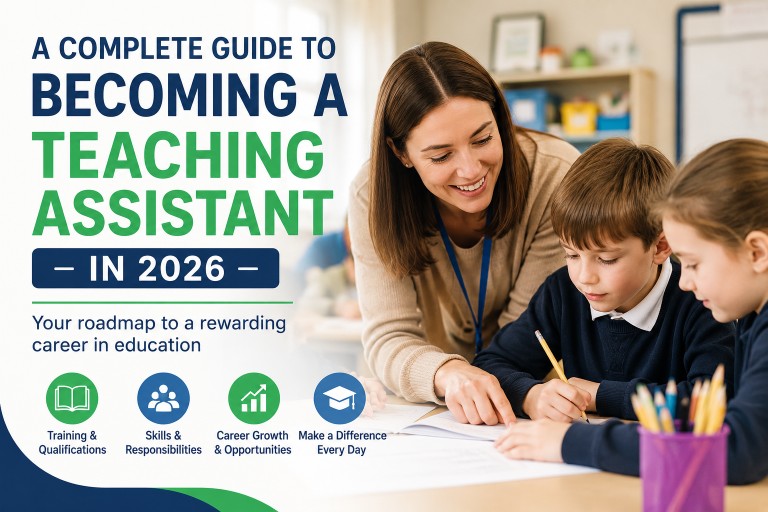

The education sector continues to evolve, creating new opportunities for individuals who are passionate about supporting children and helping teachers create productive learning environments. As schools place greater emphasis on personalized learning, inclusion, and student well-being, the demand for qualified teaching assistants remains strong in 2026.
If you’re considering a career in education but don’t necessarily want to become a classroom teacher, becoming a teaching assistant can be an excellent path. This guide explores the qualifications, skills, responsibilities, and career opportunities available to aspiring teaching assistants in today’s educational landscape.
What Does a Teaching Assistant Do?
A teaching assistant (TA) works alongside teachers to support students in their learning journey. Their role can vary depending on the age group, school setting, and specific student needs.
Common responsibilities include:
- Assisting teachers with classroom preparation
- Supporting students during lessons
- Working one-on-one with children who need additional help
- Helping manage classroom behavior
- Preparing learning materials and resources
- Monitoring student progress
- Supporting pupils with special educational needs (SEN)
- Encouraging student participation and engagement
Teaching assistants play a crucial role in helping schools provide effective and inclusive education for all learners.
Why Become a Teaching Assistant in 2026?
The role of teaching assistants has expanded significantly in recent years. Modern classrooms require additional support to address diverse learning styles, technological integration, and increasing educational expectations.
Some benefits of becoming a teaching assistant include:
Rewarding Career
Supporting children’s academic and personal development can be highly fulfilling. Teaching assistants often build meaningful relationships with students and contribute positively to their educational success.
Flexible Career Path
Many individuals choose this profession because it offers opportunities to work in primary schools, secondary schools, special education settings, and alternative learning environments.
Career Progression Opportunities
Teaching assistants can advance into senior support roles, specialist SEN positions, Higher Level Teaching Assistant (HLTA) roles, or even pursue teacher training in the future.
Growing Demand
Schools continue to seek qualified support staff who can assist with classroom management and individualized learning support, making this a stable career choice for many education professionals.
Skills Needed to Become a Successful Teaching Assistant
While qualifications are important, employers also value practical skills and personal qualities.
Some essential skills include:
Communication Skills
Teaching assistants interact with teachers, students, parents, and school staff regularly. Clear communication is essential for effective collaboration.
Patience and Empathy
Every student learns differently. Understanding and supporting children through challenges requires patience and compassion.
Organizational Skills
Managing resources, assisting with lesson preparation, and tracking student progress all require strong organizational abilities.
Adaptability
Classroom environments can change quickly. Teaching assistants must be flexible and able to respond to different situations effectively.
Teamwork
Teaching assistants work closely with teaching staff and often contribute to broader educational goals within the school community.
Qualifications Required in 2026
One of the most common questions aspiring professionals ask is what qualifications they need to enter the field.
While entry requirements vary between schools, many employers prefer candidates who have completed a recognized teachers assistant course. These programs provide foundational knowledge of child development, safeguarding, classroom support, and educational practices. Accredited pathways often include introductory, Level 2, Level 3, SEN-focused, and Higher Level Teaching Assistant qualifications.
Many training providers now offer flexible online learning, allowing students to study at their own pace while balancing work and family commitments.
Choosing the Right Training Program
Selecting the right qualification is an important step toward building a successful career.
When evaluating courses, consider:
- Accreditation and recognition
- Course content and curriculum
- Tutor support availability
- Flexible study options
- Career progression opportunities
- Student reviews and reputation
Providers such as UK Open College offer a range of online pathways from introductory programs to advanced teaching assistant qualifications, enabling learners to choose a route that matches their experience and career goals. Their online study model allows learners to access materials remotely and study around existing commitments.
Gaining Practical Experience
Qualifications are valuable, but practical experience remains equally important.
Many schools value candidates who have:
- Volunteered in educational settings
- Assisted in after-school programs
- Worked with children through community organizations
- Participated in classroom placements
Hands-on experience helps aspiring teaching assistants understand school environments and develop confidence when working with students.
Specializing in SEN Support
Special Educational Needs support continues to be one of the fastest-growing areas within education.
Many schools seek teaching assistants who can support students with:
- Autism Spectrum Conditions
- ADHD
- Dyslexia
- Speech and language difficulties
- Emotional and behavioral challenges
Completing a specialist teachers assistant course focused on SEN support can improve employability and open doors to specialized educational roles. SEN-focused qualifications are increasingly popular as schools seek staff who can provide targeted assistance to diverse learners.
Career Progression Opportunities
Becoming a teaching assistant is often the beginning of a long-term career in education.
Potential advancement opportunities include:
Senior Teaching Assistant
Experienced TAs may take on additional responsibilities and mentor junior staff.
Higher Level Teaching Assistant (HLTA)
HLTAs often support lesson planning, lead small-group instruction, and take on greater classroom responsibilities. Advanced Level 4 pathways are designed to help experienced teaching assistants develop these skills.
Specialist Support Roles
Teaching assistants may specialize in SEN, literacy intervention, behavior support, or pastoral care.
Teacher Training
Many teaching assistants eventually pursue teaching qualifications after gaining classroom experience.
Preparing for Job Applications
When applying for teaching assistant roles, candidates should focus on demonstrating:
- Relevant qualifications
- Experience working with children
- Knowledge of safeguarding principles
- Communication and teamwork skills
- Commitment to supporting student learning
A well-structured CV and tailored cover letter can significantly improve application success rates.
Final Thoughts
Becoming a teaching assistant in 2026 offers an excellent opportunity to make a meaningful difference in students’ lives while building a rewarding career in education. With flexible learning options, recognized qualifications, and multiple progression pathways available, aspiring professionals have more opportunities than ever before to enter the field.
For individuals seeking structured training, a recognized teachers assistant course can provide the knowledge and confidence needed to succeed in today’s classroom environment. Educational providers such as UK Open College continue to offer accessible learning options that support aspiring teaching assistants as they begin or advance their careers.
FAQs
- Do I need a degree to become a teaching assistant?
No. Most teaching assistant positions do not require a university degree. Relevant qualifications, experience, and strong communication skills are often sufficient.
- Can I study teaching assistant qualifications online?
Yes. Many accredited providers offer fully online learning options that allow students to study at their own pace.
- What is the best qualification for beginners?
Introductory and Level 2 qualifications are commonly recommended for individuals who are new to the education sector.
- Can teaching assistants work with children who have special educational needs?
Yes. Many teaching assistants specialize in supporting pupils with SEN, and dedicated qualifications are available for this area.
- What career progression options are available?
Teaching assistants can progress into HLTA positions, specialist support roles, senior support positions, or teacher training pathways.