
The gap between designer swimwear and fast-fashion alternatives isn’t always obvious at first glance — both can look similar in a product photo. But once you factor in fabric quality, longevity, fit, and environmental impact, the differences become clear. Here’s how to weigh the trade-offs before your next purchase.
The Real Difference in Fabric Quality
Fast-fashion swimwear typically uses low-cost polyester blends that stretch out quickly, lose color after a handful of washes, and turn sheer when wet. Designer beachwear generally uses nylon-Lycra or recycled ECONYL blends, which hold elasticity far longer and resist fading from chlorine and sun exposure. If you swim regularly or travel often, this difference becomes noticeable within a single season.
Fit and Construction
Designer labels typically invest in extensive fit testing across multiple body types, resulting in more consistent sizing and better support. Fast-fashion brands often rely on a single standard fit block, which explains why sizing can feel inconsistent between styles from the same retailer. Details like lined cups, adjustable straps, and reinforced seams — standard in designer pieces — are frequently missing or minimal in budget alternatives.
Cost Per Wear
A $200 designer swimsuit that lasts five seasons costs roughly $40 per season. A $25 fast-fashion suit replaced every season costs the same amount annually — but with less support, shorter lifespan, and more frequent replacement. When you calculate cost per wear rather than sticker price alone, designer pieces often come out ahead for anyone who wears swimwear regularly.
Environmental and Ethical Considerations
Fast fashion’s rapid production cycles rely heavily on virgin synthetic fabrics and often involve less transparency around labor practices. Many designer and premium beachwear brand labels have shifted toward recycled fabrics, smaller production runs, and more transparent supply chains — factors worth considering if sustainability plays into your purchasing decisions.
When Fast Fashion Makes Sense
There are legitimate cases for choosing budget swimwear: a one-time trip where style matters more than longevity, a swimsuit for a child who will outgrow it quickly, or simply testing a trend before committing to a higher-priced version. Fast fashion isn’t inherently the wrong choice — it depends on how often and how intensely you’ll use the piece.
Building a Cover-Up Into the Equation
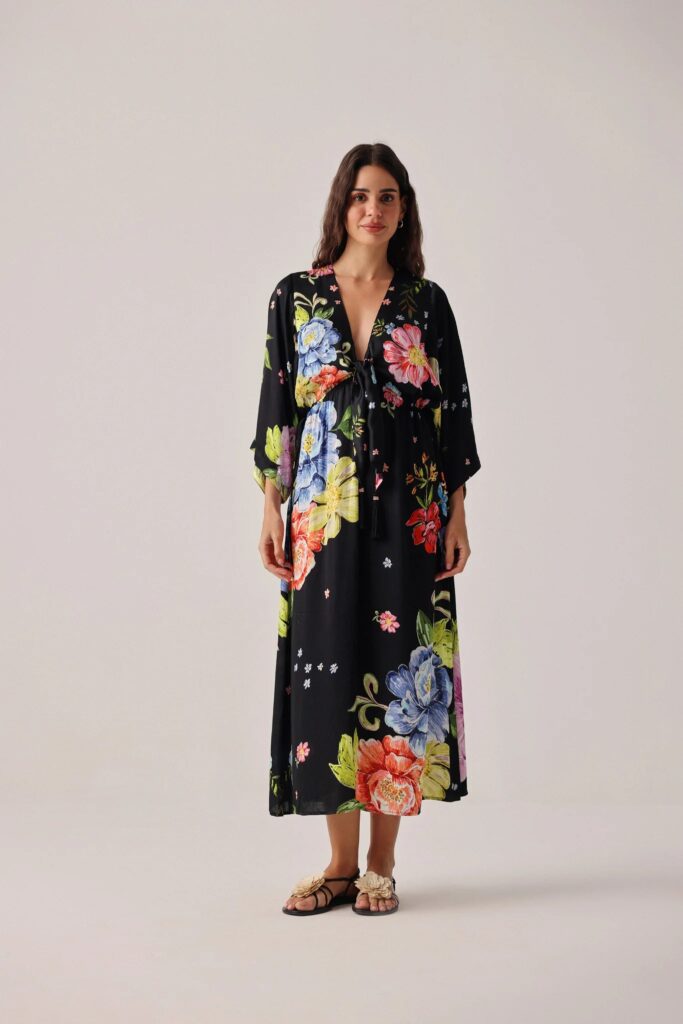
The same quality principles apply to cover-ups. A well-made coverup in linen or cotton gauze holds up to repeated washing and travel far better than a thin, synthetic fast-fashion version that pills or tears after a few wears. Since cover-ups often see as much use as the swimsuits themselves, it’s worth applying the same quality standard here.
How to Decide What’s Right for You
Ask yourself three questions before buying:
- How often will I realistically wear this piece?
- Am I buying for one trip or for repeated seasonal use?
- Does fit and support matter more than trying a trend?
If you answered “often,” “repeated use,” and “yes” to fit — designer or premium beachwear is likely the better long-term investment.
Frequently Asked Questions
Is designer swimwear actually better quality than fast fashion?
In most cases, yes — designer pieces typically use higher-grade fabrics, offer better fit testing, and include construction details like lining and reinforced seams.
Is fast-fashion swimwear ever a reasonable choice?
Yes, particularly for one-off trips, trend testing, or situations where longevity isn’t a priority.
How do I tell fabric quality apart when shopping online?
Check the fabric composition listed in the product description — nylon-Lycra or recycled blends generally outperform standard polyester.
Final Thoughts
Designer and fast-fashion beachwear both have a place depending on your needs, but understanding the real differences in fabric, fit, and longevity helps you make a more informed decision. For frequent swimmers and travelers, investing in fewer, better-made pieces typically pays off — both in comfort and in cost per wear over time.