
Danielle switched from freebase e-liquid to nicotine salts after a friend recommended it, assuming the two were basically interchangeable. Her first bottle hit far harder than she expected, and she spent the next week trying to figure out whether something was wrong with her — or with the juice.
Nothing was wrong. She just hadn’t understood what the label was actually telling her.
That gap between what’s printed on a bottle and what a shopper actually understands is more common than most people realize. Vape juice looks simple from the outside — a bottle, a flavor name, a nicotine number — but the details behind those numbers determine everything from throat hit to device compatibility to how long a bottle stays fresh. For adults shopping in Kennesaw or anywhere else, understanding those details before buying leads to a far better experience than guessing.
This guide breaks down exactly what experienced vape juice buyers check before they commit to a bottle.
Table of Contents
- Why Vape Juice Isn’t as Simple as It Looks
- PG vs. VG: What These Ratios Actually Mean
- Nicotine Strength Explained
- Freebase Nicotine vs. Nicotine Salts
- Matching E-Liquid to Your Device
- Flavor Profiles and Categories
- Reading an E-Liquid Ingredient Label
- Authenticity and Why It Matters
- Choosing a Reputable Retailer
- Bottle Storage Best Practices
- Shelf Life and Expiration Dates
- Freebase vs. Nicotine Salt E-Liquid: A Comparison
- The Expert Vape Juice Buyer’s Checklist
- Frequently Asked Questions
- Final Takeaway
1. Why Vape Juice Isn’t as Simple as It Looks
A bottle of e-liquid might look like a single, straightforward product, but it’s really a combination of several variables working together: a base liquid ratio, a nicotine type and strength, and a flavor formulation. Change any one of those, and the entire experience changes with it.
Shoppers who understand these variables tend to have a much easier time finding a juice that actually matches what they’re looking for, rather than cycling through bottles by trial and error.
2. PG vs. VG: What These Ratios Actually Mean
Nearly every e-liquid is built on a base of propylene glycol (PG) and vegetable glycerin (VG), usually expressed as a ratio like 50/50 or 70/30.
Propylene Glycol (PG) is thinner and carries flavor more sharply, along with delivering a stronger throat hit. It produces less visible vapor.
Vegetable Glycerin (VG) is thicker and sweeter, producing denser vapor clouds with a smoother, softer throat hit.
A higher-PG e-liquid (like 50/50) tends to suit smaller devices and pod systems, while higher-VG liquids (like 70/30 or higher) are generally used in larger sub-ohm devices designed for bigger vapor production.
Why the Ratio Affects Device Performance
Higher-VG liquids are thicker and can struggle to properly saturate the wicking material in smaller pod devices, sometimes leading to a burnt taste. Matching the ratio to the device is one of the most overlooked steps for new buyers.
3. Nicotine Strength Explained
Nicotine strength is typically listed in milligrams per milliliter (mg/mL) and represents the concentration of nicotine in the liquid, not a fixed dose per puff.
Common strength ranges include:
- Lower strengths, generally used by those transitioning down over time
- Moderate strengths, common among regular users of standard devices
- Higher strengths, typically reserved for nicotine salt formulations in smaller pod devices
Because actual nicotine intake depends on device wattage, puff duration, and frequency, the number on the bottle is a starting reference point rather than a precise measurement of consumption.
4. Freebase Nicotine vs. Nicotine Salts
This is one of the most misunderstood distinctions in vape juice, and it’s exactly where Danielle’s experience went sideways.
Freebase nicotine is the traditional form used in most e-liquids for years. It delivers a sharper throat hit at higher concentrations, which is why freebase juices are typically sold at lower strengths.
Nicotine salts are chemically modified to be smoother at higher concentrations, allowing higher-strength e-liquids to be inhaled with a gentler throat hit. This is why nicotine salt juices are often sold at higher mg strengths than freebase options, despite feeling less harsh.
Using a high-strength nicotine salt juice in a device designed for freebase e-liquid — or vice versa — can lead to a mismatched, uncomfortable experience, which is exactly what happened when Danielle switched without adjusting her expectations.
5. Matching E-Liquid to Your Device
Device type plays a direct role in which e-liquid format makes sense:
- Pod systems and smaller devices generally pair well with nicotine salt e-liquids at higher strengths, since they’re designed for lower wattage and smaller vapor production
- Sub-ohm tanks and larger devices generally pair with freebase e-liquid at lower strengths, since higher wattage and airflow are better suited to lower-nicotine, higher-VG liquids
Buying without considering this pairing is one of the most common reasons new vapers end up disappointed with a bottle that, on paper, seemed like a reasonable choice.
6. Flavor Profiles and Categories
Vape juice flavors generally fall into a few broad categories:
- Fruit — ranges from single-note fruits to complex fruit blends
- Dessert/bakery — flavors like custards, pastries, and creams
- Menthol/mint — cooling profiles, often paired with fruit or standalone
- Tobacco — traditional tobacco-style flavoring for those transitioning from cigarettes
- Beverage — coffee, soda, and other drink-inspired profiles
Flavor intensity can also vary significantly between brands using the same flavor name, which is why sampling smaller bottles before committing to a larger size is a reasonable approach for anyone trying something new.
7. Reading an E-Liquid Ingredient Label
A properly labeled bottle should clearly display:
- PG/VG ratio
- Nicotine strength (or a clear “0mg” designation for nicotine-free options)
- Bottle size in milliliters
- A full ingredient list, including flavoring agents
- A batch or lot number
- Manufacturer name and contact information
Bottles missing this information — particularly nicotine strength or a batch number — make it difficult to verify what’s actually inside, which is a reasonable reason to look elsewhere.
8. Authenticity and Why It Matters
Like many popular consumer categories, e-liquid has its share of counterfeit or unregulated products circulating outside legitimate retail channels. Authentic products from established manufacturers typically include consistent packaging, tamper-evident seals, and verifiable batch information.
Buying from unfamiliar or unverified sources — particularly heavily discounted bottles with vague branding — increases the risk of ending up with a product that doesn’t match its label, whether in nicotine content, ingredient quality, or basic safety standards.
9. Choosing a Reputable Retailer
The retailer selling the e-liquid plays a significant role in product authenticity and quality. Reputable shops source directly from manufacturers or authorized distributors and can answer basic questions about PG/VG ratios, nicotine formats, and flavor availability without hesitation.
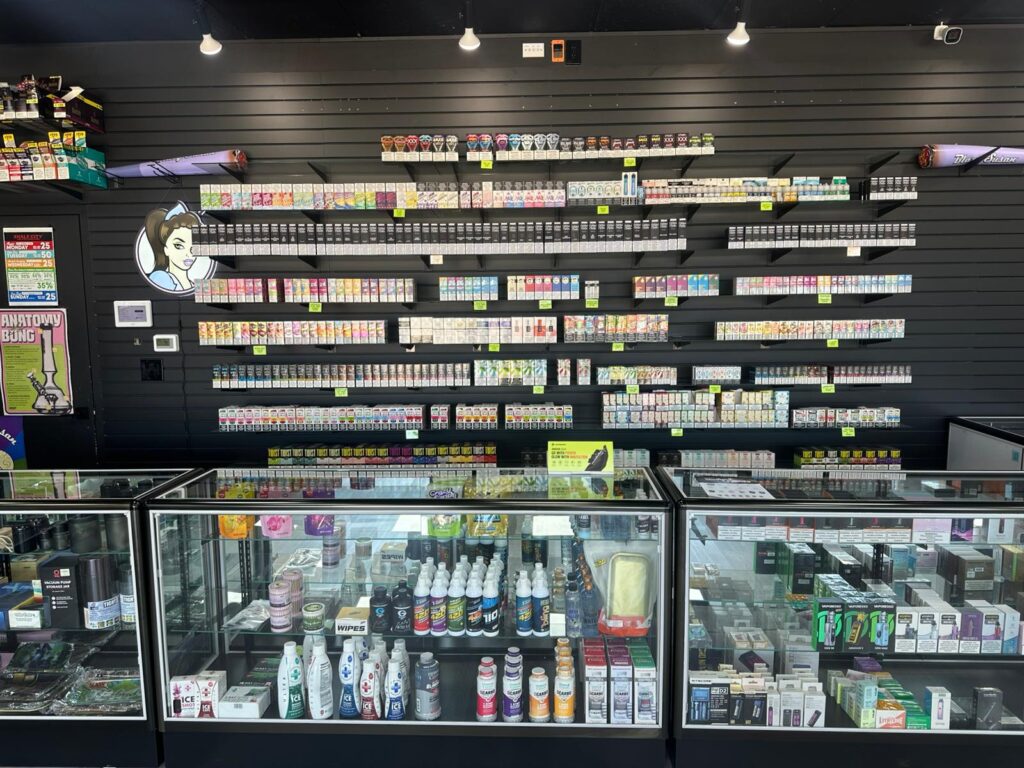
For Kennesaw shoppers, working with an established vape juice store Kennesaw GA residents can visit in person adds a layer of confidence that’s harder to get from unfamiliar online listings — particularly the ability to ask questions directly and see batch information on the shelf before purchasing.
A knowledgeable retailer should also be comfortable explaining the difference between freebase and nicotine salt options to a first-time buyer, rather than simply pointing at a shelf.
10. Bottle Storage Best Practices
Proper storage helps preserve flavor and consistency over time:
- Keep bottles away from direct sunlight and heat, which can degrade flavoring and nicotine over time
- Store upright with the cap tightly sealed to prevent leakage and oxidation
- Avoid extreme temperature swings, including leaving bottles in a hot car
- Keep out of reach of children and pets, given the concentrated nicotine content in most formulations
Bottles stored properly tend to maintain consistent flavor and potency much closer to their original state than those left in inconsistent conditions.
11. Shelf Life and Expiration Dates
Most e-liquids have a shelf life of one to two years from the manufacture date, though flavor and nicotine potency can begin to shift gradually even before that window closes, especially once a bottle has been opened.
Signs a bottle may be past its prime include a noticeably darker color, a flavor that tastes flat or different than expected, or a nicotine strength that feels weaker than usual. Checking the manufacture or best-by date printed on the bottle before purchasing is a simple habit that helps avoid these issues altogether.
12. Freebase vs. Nicotine Salt E-Liquid: A Comparison
| Criteria | Freebase E-Liquid | Nicotine Salt E-Liquid |
|---|---|---|
| Nicotine Strength | Typically lower (3–12mg) | Typically higher (25–50mg) |
| Smoothness | Sharper throat hit at higher strengths | Smoother throat hit even at high strengths |
| Device Compatibility | Sub-ohm tanks, larger devices | Pod systems, smaller devices |
| Flavor Intensity | Often bolder in higher-VG blends | Can be more subdued at higher nicotine levels |
| Ideal User | Vapers using higher-wattage devices | Vapers wanting higher nicotine in compact devices |
13. The Expert Vape Juice Buyer’s Checklist
Before purchasing an e-liquid, run through this list:
- Is the PG/VG ratio clearly listed on the label?
- Is the nicotine strength clearly stated, including “0mg” if nicotine-free?
- Is the e-liquid format (freebase or nicotine salt) appropriate for your device?
- Does the bottle include a batch number and manufacturer information?
- Is the packaging free of signs of tampering or inconsistent printing?
- Can store staff explain the difference between the products they carry?
- Is the bottle within its shelf-life window based on the manufacture date?
- Is the retailer an established, verifiable local shop?
If a purchase checks most or all of these boxes, it’s a solid sign you’re buying a quality, authentic product.
14. Frequently Asked Questions
What’s the difference between PG and VG in vape juice?
PG (propylene glycol) is thinner and delivers a sharper throat hit with more pronounced flavor, while VG (vegetable glycerin) is thicker, sweeter, and produces denser vapor with a smoother hit.
Should I choose freebase nicotine or nicotine salts?
It largely depends on your device and nicotine strength preference — freebase suits larger, higher-wattage devices at lower strengths, while nicotine salts are typically used in smaller pod devices at higher strengths with a smoother feel.
How long does vape juice last before it expires?
Most e-liquids remain good for one to two years from the manufacture date, though flavor and potency can start to shift sooner once a bottle has been opened.
Why does bottle storage matter?
Heat, light, and temperature swings can degrade both flavor and nicotine content over time, so proper storage helps a bottle maintain its intended quality for longer.
How can I tell if a vape juice bottle is authentic?
Look for consistent packaging, a clear batch number, complete ingredient and nicotine labeling, and purchase from a retailer that can speak to where their inventory is sourced.
15. Final Takeaway
Choosing quality vape juice comes down to understanding a handful of core details: the PG/VG ratio, nicotine type and strength, device compatibility, and label transparency. None of it requires guesswork once you know what each number and term actually means.
Kennesaw shoppers have plenty of options, but taking the time to check a label carefully — and buying from a retailer that can answer real questions — makes it far more likely you’ll walk away with a bottle that actually matches what you were looking for.