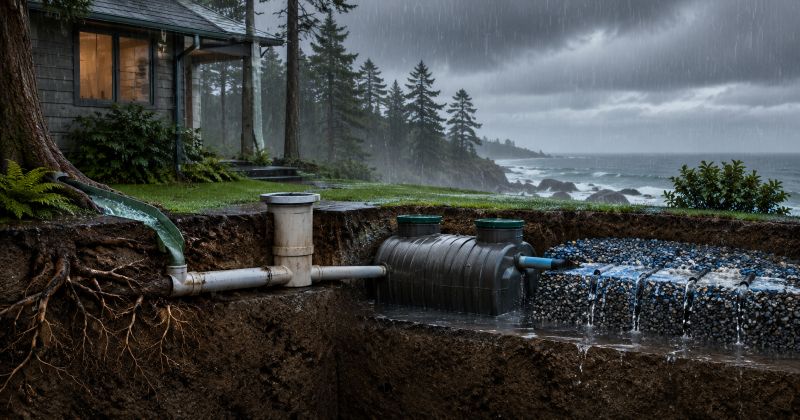

Oregon’s South Coast is known for its breathtaking shoreline, dense forests, and frequent rainfall. While the ocean climate creates a beautiful environment, it also presents unique challenges for homeowners and businesses when it comes to plumbing, drainage, and septic systems. Constant moisture, seasonal storms, saturated soil, and shifting groundwater levels all contribute to plumbing problems that are less common in drier regions.
Understanding how coastal weather affects underground plumbing helps property owners prevent expensive repairs and avoid unexpected emergencies. Whether you own a residential home, vacation rental, restaurant, or commercial property, proper maintenance goes a long way toward protecting your investment.
If drainage problems begin to appear, working with the best rooter service in Coquille OR allows property owners to resolve issues before they become major system failures.
Why Oregon’s Coastal Climate Creates Plumbing Challenges
Unlike inland areas that experience long dry seasons, Oregon’s South Coast receives significant rainfall throughout much of the year. Combined with cool temperatures and ocean humidity, this creates conditions that place continuous stress on underground plumbing systems.
Several environmental factors contribute to plumbing issues:
- Heavy seasonal rainfall
- High groundwater tables
- Ocean moisture and humidity
- Dense clay soils in some locations
- Tree root growth encouraged by abundant moisture
- Soil movement from repeated wet and dry cycles
Over time, these conditions can affect drain lines, sewer pipes, septic drain fields, and foundation drainage systems.
How Heavy Rain Impacts Drainage Systems
Saturated Soil Reduces Drainage Capacity
When the ground becomes saturated after prolonged rain, water has nowhere else to go. Instead of draining naturally, excess moisture remains around underground pipes.
This causes:
- Slower household drains
- Standing water around the property
- Increased hydrostatic pressure
- More stress on underground piping
Stormwater can also overwhelm older drainage systems that were never designed for today’s weather patterns.
Stormwater Can Enter Damaged Pipes
Older sewer lines often develop small cracks or loose joints over time.
Heavy rainfall allows groundwater to infiltrate these openings, increasing the amount of water moving through the sewer system.
This additional flow may cause:
- Drain backups
- Sewer odors
- Reduced drainage speed
- Increased municipal sewer strain
Early inspections help identify these hidden issues before they become emergencies.
Coastal Tree Growth Means More Root Intrusion
One of the biggest plumbing problems along Oregon’s South Coast is aggressive tree root growth.
Trees naturally seek moisture, making underground sewer pipes an attractive water source.
Common signs of root intrusion include:
- Frequent drain clogs
- Multiple fixtures draining slowly
- Gurgling sounds
- Sewage backups
- Recurring plumbing service calls
Small roots can enter tiny pipe openings, eventually growing into dense root masses that block wastewater flow.
Professional rooter services remove invasive roots while helping preserve the existing pipe whenever possible.
Ocean Moisture Accelerates Pipe Wear
The constant humidity found near the Pacific Ocean affects more than just exterior building materials.
Over time, moisture contributes to:
Corrosion
Metal piping can deteriorate faster in coastal environments due to prolonged exposure to moisture.
Joint Separation
Repeated soil expansion and contraction may slowly shift pipe joints.
Soil Movement
Wet soils become unstable, increasing the likelihood of pipe settling or minor misalignment.
Although modern PVC piping resists corrosion better than older materials, many homes still contain aging plumbing components that require periodic evaluation.
How Heavy Rain Affects Septic Systems
Homes outside municipal sewer systems rely on septic systems that function properly only when the surrounding soil can absorb wastewater.
Heavy rainfall changes this balance.
Drain Fields Become Waterlogged
A septic drain field depends on dry soil to naturally filter wastewater.
When excessive rain saturates the ground:
- Wastewater cannot disperse efficiently.
- The tank empties more slowly.
- Water may back up into household drains.
- Surface pooling can occur.
If these conditions continue, septic systems may temporarily stop functioning correctly.
Groundwater Can Enter Septic Tanks
Cracked septic tanks or damaged risers allow groundwater to enter.
This additional water overloads the system, causing unnecessary stress on pumps and increasing maintenance needs.
Routine inspections identify these weaknesses before winter storms arrive.
Warning Signs Your Drain or Septic System Needs Attention
Many homeowners ignore early symptoms until a complete backup occurs.
Watch for:
Slow Drains Throughout the House
One slow sink may indicate a localized clog.
Multiple slow drains often signal a larger main line problem.
Unpleasant Odors
Persistent sewer smells near drains, crawl spaces, or the yard usually indicate drainage problems that require professional attention.
Standing Water
Pooling water near septic drain fields or sewer cleanouts often suggests poor drainage or underground leaks.
Gurgling Plumbing Fixtures
Air trapped inside drain lines frequently indicates developing blockages.
Lush Green Grass Over Drain Fields
Although healthy grass seems beneficial, unusually green patches may indicate wastewater reaching the surface.
Real-World Example
Consider a coastal homeowner near Coquille whose property sits beneath several mature fir trees. After weeks of winter rain, the homeowner notices slow drains, occasional toilet backups, and standing water near the backyard.
A professional inspection discovers two contributing problems:
- Tree roots have entered an aging sewer line.
- Saturated soil has reduced drainage around the pipe.
By removing the root intrusion and repairing damaged sections before complete failure, the homeowner avoids a far more expensive sewer replacement and prevents wastewater from backing into the home.
Situations like this are common throughout Oregon’s coastal communities, where environmental conditions create ongoing stress on underground infrastructure.
Preventive Maintenance That Makes a Difference
Routine maintenance significantly reduces the risk of emergency plumbing problems.
Schedule Regular Drain Cleaning
Professional drain cleaning removes grease, soap buildup, mineral deposits, and early root growth before severe blockages develop.
Preventive cleaning often extends pipe life while improving drainage performance.
Inspect Sewer Lines with Camera Technology
Modern video inspections allow technicians to locate:
- Cracks
- Root intrusion
- Pipe offsets
- Collapsed sections
- Grease accumulation
Camera inspections eliminate guesswork while supporting accurate repairs.
Pump Septic Tanks on Schedule
Most residential septic tanks should be pumped every three to five years, depending on:
- Household size
- Water usage
- Tank capacity
- Waste production
Routine pumping prevents solids from entering the drain field.
Direct Rainwater Away from the Home
Proper grading and gutter maintenance help reduce excess groundwater around underground plumbing.
Property owners should:
- Clean gutters regularly
- Extend downspouts away from foundations
- Maintain drainage swales
- Prevent roof runoff from entering septic areas
Best Practices During Oregon’s Rainy Season
Property owners can minimize seasonal plumbing issues by following several practical steps.
Reduce Excess Water Usage
During prolonged storms, limiting unnecessary water use gives septic systems additional time to process wastewater.
Avoid Flushing Problem Materials
Never flush:
- Paper towels
- Wet wipes
- Grease
- Feminine hygiene products
- Cooking oils
These materials increase blockage risks regardless of weather conditions.
Monitor Outdoor Drainage
Check for:
- Ponding water
- Eroded soil
- Overflowing ditches
- Blocked storm drains
Addressing drainage issues early protects underground plumbing.
Trim Trees Near Sewer Lines
Root barriers or strategic landscaping may reduce future root intrusion without removing mature trees.
When Professional Rooter Service Is the Right Choice
Some drainage issues cannot be solved with household drain cleaners or temporary fixes.
Professional technicians use specialized equipment including:
- Mechanical root cutters
- Hydro jetting equipment
- Video inspection cameras
- Pipe locating technology
These methods remove blockages more effectively while minimizing unnecessary excavation.
Experienced technicians can also determine whether repairs, cleaning, or pipe replacement provides the most cost-effective solution.
Choosing a Trusted Plumbing Partner
Not every plumbing company understands the unique environmental challenges found along Oregon’s South Coast.
Property owners benefit from choosing professionals with:
- Years of Experience serving coastal communities
- Reliable emergency response
- Affordable maintenance options
- Proven knowledge of septic systems
- Innovative inspection equipment
- High-performance drain cleaning methods
- Well-experienced technicians familiar with local soil conditions
Local expertise often makes a significant difference because coastal plumbing systems experience different conditions than systems located farther inland.
Protect Your Plumbing Before Problems Grow
Oregon’s coastal climate is beautiful, but it places constant demands on underground plumbing and septic systems. Heavy rainfall, saturated soils, aggressive tree roots, and elevated groundwater all contribute to drainage problems that worsen over time if ignored.
Regular inspections, preventive maintenance, and timely repairs help homeowners avoid costly emergencies while extending the life of their plumbing infrastructure. Whether you’re dealing with slow drains, recurring root intrusion, or concerns about your septic system, acting early is always the most practical solution.
For homeowners and businesses seeking the best rooter service in Coquille OR, Econo Rooter Services, Inc. provides dependable solutions designed to address the unique plumbing challenges of Oregon’s South Coast with professionalism, experience, and long-term reliability.