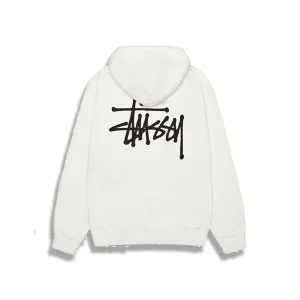

Streetwear has always thrived on scarcity, storytelling, and a sense of cultural belonging, but few names have mastered this formula as consistently as Stüssy. What started as a small surf-inspired label in Southern California during the early 1980s has grown into one of the most respected names in global fashion, and its collaborations have become a defining feature of that legacy. Collectors don’t just buy these pieces to wear them; they buy them because each collaboration tells a story, carries weight in the community, and often becomes a marker of a specific cultural moment.
Stussy built its reputation not through flashy marketing campaigns but through genuine relationships within skate, surf, hip-hop, and art circles. This organic growth created a brand identity that felt authentic rather than manufactured, and that authenticity is exactly why partnerships involving this label carry so much weight today. When Stüssy teams up with another brand, whether it’s a luxury house, a sneaker giant, or an emerging designer, the result usually feels less like a corporate deal and more like a genuine meeting of creative minds. That perception matters enormously to collectors, who can often tell the difference between a collaboration built on mutual respect and one that feels purely transactional.
One major reason these releases generate so much excitement is the limited nature of the drops. Stüssy rarely floods the market with excessive quantities, and this scarcity naturally drives demand. When people know that a jacket, a graphic tee, or a pair of sneakers will only be available in small numbers, the psychological pull to secure that item becomes stronger. Collectors understand that missing a release often means missing it permanently, since restocks are uncommon and resale prices tend to climb quickly once a collaboration sells out. This dynamic transforms shopping into something closer to a competitive sport, complete with alarms set for release times, browser tabs refreshed obsessively, and group chats buzzing with strategy.
Beyond scarcity, there’s the undeniable factor of design quality. Stüssy has a talent for adapting its aesthetic to fit almost any partner without losing its own identity. Whether working with a heritage outdoor brand, a Japanese denim label, or a high-fashion house, the collaborative pieces tend to blend both parties’ visual language in a way that feels balanced rather than forced. This design sensitivity means collectors aren’t just buying a logo mashup; they’re buying a genuinely well-considered garment that could stand on its own even without the collaborative branding attached.
Cultural credibility also plays a massive role in why these partnerships resonate so deeply. Stüssy has never chased trends for the sake of relevance. Instead, it has consistently partnered with names that share a similar ethos, whether that’s a commitment to craftsmanship, a connection to music and art, or a shared history in youth culture. This careful curation means that each collaboration feels intentional. Collectors recognize this pattern and trust that a partnership wouldn’t happen unless there was real alignment between the brands involved. That trust translates directly into demand, because people want to be part of something that feels curated rather than random.
Another underrated aspect is the storytelling wrapped around every release. Marketing campaigns, lookbooks, and even the packaging often reference shared history or inside references that only longtime fans would recognize. This layered approach rewards those who have followed the brand for years, giving them a sense of insider knowledge that casual buyers might miss. Collectors thrive on this kind of depth because it makes ownership feel more meaningful. A hoodie isn’t just a hoodie; it becomes a piece of a larger narrative that connects skate culture, music, art, and fashion history all at once.
The resale market has also amplified the popularity of these collaborations. Platforms dedicated to streetwear resale have turned limited releases into genuine investment opportunities. Some collaborative pieces have appreciated significantly in value over time, turning casual buyers into serious collectors who track releases the way others might track stocks. This financial angle adds another layer of appeal, since owning a rare piece isn’t just about personal style anymore; it’s also about holding something that could become more valuable down the line.
Social proof plays into this as well. When influential figures in music, sports, or entertainment are seen wearing a particular collaborative piece, demand often spikes almost instantly. Seeing a respected artist or athlete in a limited release validates the purchase decision for collectors and reinforces the idea that they’re part of a larger cultural movement rather than simply following a trend. This visibility creates a feedback loop where hype builds hype, and each successful collaboration makes the next one even more anticipated.
Finally, there’s the emotional connection collectors have with the brand’s history. Many people who follow these releases grew up watching Stüssy evolve from underground favorite to global powerhouse, and that journey creates a sense of loyalty that goes beyond simple consumerism. Owning a collaborative piece feels like participating in an ongoing story rather than just making a purchase. This emotional investment is often what separates casual shoppers from true collectors, the latter of whom see these garments as artifacts worth preserving rather than just clothing to wear a few times before moving on.
In the end, the popularity of these collaborations comes down to a combination of scarcity, authentic design, cultural alignment, storytelling, and community trust. Few brands manage to balance all these elements as consistently, which is exactly why collectors continue to chase every new release with the same excitement they had years ago.