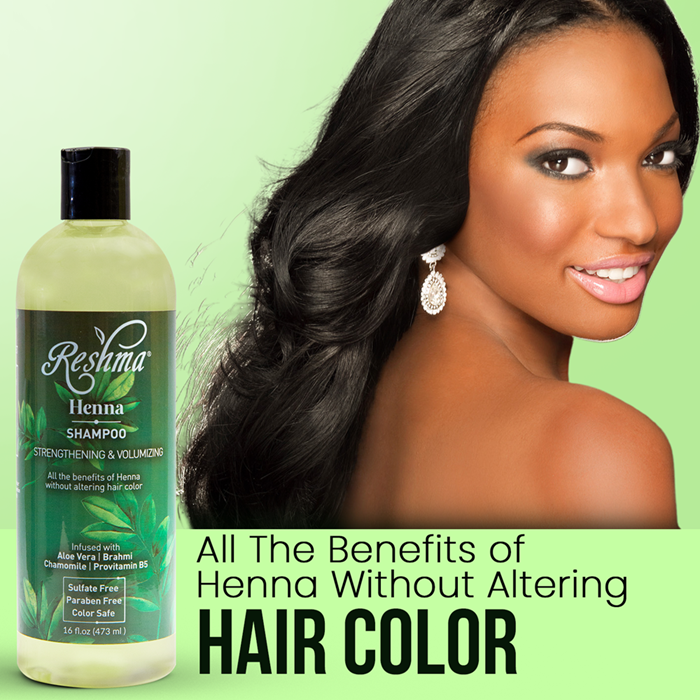

Hair fall and hair breakage are among the most common concerns for both men and women. Whether caused by heat styling, chemical treatments, seasonal changes, aging, or everyday wear and tear, weak hair can affect both appearance and confidence. As more consumers look for plant-inspired hair care products, henna shampoo has gained attention for its gentle cleansing and conditioning properties.
But can it actually help with hair fall and breakage? The answer requires a balanced look at both scientific evidence and user experiences. While henna shampoo is not a medical treatment for hair loss, it may support healthier-looking hair by improving the condition of the hair shaft and maintaining a healthy scalp.
Understanding the Difference Between Hair Fall and Hair Breakage
Many people use these terms interchangeably, but they describe different issues.
Hair fall occurs when hair sheds from the root as part of the natural growth cycle. Most people lose between 50 and 100 hairs each day, and increased shedding may be linked to factors such as stress, hormonal changes, nutritional deficiencies, certain medical conditions, or genetics.
Hair breakage, on the other hand, happens when the hair shaft becomes weak and snaps before reaching its full length. Breakage is commonly associated with dryness, excessive heat styling, frequent coloring, tight hairstyles, or rough handling.
Knowing the difference is important because each concern requires a different approach.
What Is Henna Shampoo?
Henna shampoo is a cleansing product that combines gentle cleansing agents with henna-inspired and botanical ingredients. Unlike traditional henna paste used to color hair, henna shampoo is designed primarily to cleanse the scalp and hair while helping maintain softness and manageability.
Many formulas also include conditioning ingredients that leave hair feeling smoother after washing.
What Does Research Suggest?
Scientific studies on henna have largely focused on the henna plant itself rather than shampoos containing henna extracts. Current research suggests that henna may help coat the hair shaft, making individual strands feel thicker and potentially reducing mechanical damage caused by brushing or styling.
However, there is limited clinical evidence showing that henna shampoo directly prevents hair fall caused by medical or genetic conditions.
Dermatologists generally agree that shampoos can improve the condition of the scalp and hair, but they cannot change the biological processes responsible for many forms of hair loss.
How Henna Shampoo May Help Reduce Breakage
Although it may not stop hair shedding from the root, a quality henna shampoo can contribute to stronger-looking hair in several ways.
Gentle Cleansing
A clean scalp creates a better environment for healthy hair. Henna shampoo helps remove excess oil, dirt, sweat, and product buildup without the harsh cleansing action found in some traditional shampoos.
Improved Hair Manageability
Hair that is easier to comb is often less likely to experience mechanical breakage during brushing or styling.
Softer Hair Texture
Many henna shampoos contain moisturizing ingredients that help reduce dryness, allowing hair to feel smoother and more flexible.
Less Friction
Conditioned hair strands glide past one another more easily, which may reduce tangling and minimize breakage during daily grooming.
What Users Commonly Report
Consumer experiences with henna shampoo vary, but many users mention positive cosmetic improvements after regular use.
Common feedback includes:
- Hair feels softer after washing.
- Hair appears shinier.
- Frizz is easier to manage.
- Hair becomes easier to detangle.
- Hair looks healthier over time.
Some users also report noticing less breakage while brushing, although individual experiences differ depending on hair type and overall hair care habits.
When Henna Shampoo May Not Be Enough
If hair fall is caused by factors such as hormonal changes, nutritional deficiencies, certain medications, or underlying health conditions, shampoo alone is unlikely to address the root cause.
Persistent or sudden hair loss should be evaluated by a qualified healthcare professional or dermatologist to determine the appropriate course of action.
Tips to Reduce Hair Breakage
Using henna shampoo works best when combined with healthy hair care practices.
Consider these habits:
- Wash hair with lukewarm rather than very hot water.
- Use a conditioner after shampooing.
- Avoid vigorous towel drying.
- Detangle hair gently with a wide-tooth comb.
- Limit excessive heat styling.
- Avoid overly tight hairstyles.
- Trim split ends regularly.
- Eat a balanced diet that supports overall hair health.
These simple practices can help minimize everyday damage and improve the appearance of your hair.
Choosing a Quality Henna Shampoo
Not every product offers the same experience. When shopping for a henna shampoo, consider products that:
- Cleanse gently without over-drying.
- Include conditioning ingredients.
- Suit your hair type.
- Come from a trusted brand with clear ingredient information.
Reading product instructions and following them consistently can help you achieve the best results.
Final Thoughts
So, does henna shampoo help with hair fall and breakage? Current research suggests that while it is not a treatment for medical hair loss, it may help reduce hair breakage by improving softness, manageability, and the overall condition of the hair. Many users also report smoother, shinier, and easier-to-manage hair after consistent use.
For the best results, use a quality henna shampoo as part of a complete hair care routine that includes conditioning, gentle styling practices, good nutrition, and regular scalp care. If excessive hair shedding continues despite these efforts, consulting a healthcare professional is the best next step. A balanced approach can help you maintain stronger, healthier-looking hair over time.