
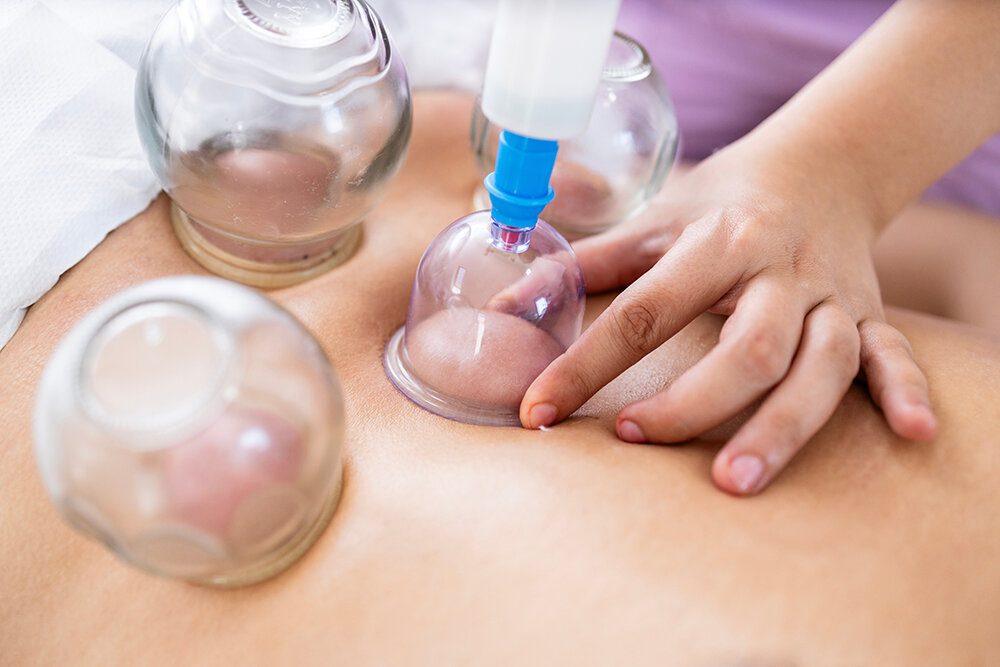

Throughout history, different cultures have developed natural approaches to support health and well-being. One such traditional practice that has gained attention worldwide is Hijama Therapy. Also known as wet cupping therapy, Hijama is an ancient healing technique that involves creating suction on specific areas of the body using cups, sometimes combined with controlled superficial skin incisions. The practice has been used for centuries in various parts of the world, including the Middle East, Asia, and Africa.
In recent years, Hijama Therapy in Lahore has become increasingly popular among people looking for complementary wellness methods. Many individuals explore it as part of their self-care routines, while practitioners continue to preserve traditional knowledge associated with this therapy. Understanding its history, process, potential benefits, and safety considerations can help people make informed decisions about whether it suits their personal wellness goals.
The History and Origins of Hijama Therapy
Hijama Therapy has a long history that dates back thousands of years. Traditional forms of cupping have been documented in ancient civilizations, including Chinese, Egyptian, and Middle Eastern cultures. The practice was often used as a natural method to support the body’s healing processes and maintain overall balance.
The word “Hijama” comes from an Arabic term meaning “to draw out” or “to suck.” In Islamic tradition, Hijama is also recognized as a valued practice, with references to cupping being mentioned in historical teachings. Because of its cultural and traditional significance, many people continue to seek Hijama as part of their holistic health practices.
While modern healthcare has developed advanced diagnostic and treatment methods, traditional therapies like Hijama remain popular because they focus on a whole-body approach to wellness.
How Does Hijama Therapy Work?
Hijama Therapy typically involves placing special cups on selected areas of the body. The practitioner creates suction inside the cups, which gently pulls the skin and underlying tissues upward. In wet cupping, small superficial scratches may be made on the skin before the cups are applied again, allowing a small amount of blood to be released.
The process is generally performed by trained practitioners who follow hygiene and safety guidelines. Common areas for Hijama include the back, shoulders, neck, and other locations depending on the individual’s needs and the practitioner’s approach.
The idea behind Hijama is that suction may encourage increased blood circulation in the treated area and support relaxation of muscles and tissues. Many people describe the experience as calming and report feelings of relief after treatment.
Potential Benefits of Hijama Therapy
Many people choose Cupping Treatment because of its connection with traditional wellness practices. Although scientific research on Hijama is still developing, some studies on cupping therapy suggest possible benefits in certain situations. It is important to view Hijama as a complementary approach rather than a replacement for professional medical care.
Some commonly reported benefits include:
1. Support for Muscle Relaxation
People experiencing muscle tension often seek Hijama because the suction technique may help loosen tight areas and promote relaxation. Athletes and individuals with physically demanding lifestyles sometimes explore cupping therapies as part of recovery routines.
2. Improved Sense of Well-Being
Many individuals report feeling refreshed and relaxed after a Hijama session. The calming nature of the treatment may contribute to reduced stress and improved comfort.
3. Support for Circulation
The suction created during Hijama may increase local blood flow around treated areas. Better circulation is often associated with supporting tissue health and natural recovery processes.
4. Traditional Approach to Pain Management
Hijama has historically been used for various types of discomfort, including muscle aches and stiffness. Some people use it alongside other approaches to manage everyday physical challenges.
5. Holistic Health Benefits
Unlike approaches that focus only on specific symptoms, Hijama is often viewed through a holistic lens. Practitioners may consider lifestyle, relaxation, and overall wellness when providing treatment.
The Hijama Therapy Procedure
A typical Hijama session usually begins with a consultation. The practitioner discusses the person’s health background, concerns, and goals before deciding whether the therapy is appropriate.
During the session, the practitioner cleans the treatment area and places cups on selected points. Depending on the type of Hijama being performed, the process may involve dry cupping, where no skin incisions are made, or wet cupping, where small superficial cuts allow limited blood release.
After treatment, the practitioner provides aftercare guidance. This may include keeping the treated area clean, avoiding excessive physical strain immediately afterward, and maintaining proper hydration.
The duration of a Hijama session can vary depending on the number of cups used and the individual’s requirements.
Safety and Important Considerations
Although many people experience Hijama without problems, safety should always be a priority. Choosing a qualified and experienced practitioner is essential. Proper sterilization techniques and single-use equipment are important to reduce the risk of infection.
Hijama may not be suitable for everyone. Individuals with certain medical conditions, blood-related disorders, or those taking specific medications should consult a healthcare professional before undergoing treatment. Pregnant individuals and people with concerns about their health should also seek medical advice.
A responsible practitioner should always discuss possible risks and ensure that the person understands the procedure before beginning.
Hijama Therapy in Modern Wellness Practices
The growing interest in natural and traditional therapies has brought Hijama Therapy into modern wellness discussions. Many people today combine traditional practices with healthy lifestyle choices, including balanced nutrition, exercise, stress management, and regular medical checkups.
Social media and global wellness communities have also increased awareness of Hijama. As more people explore different approaches to maintaining health, the importance of choosing evidence-informed and professionally guided practices becomes even greater.
Modern interest in Hijama does not replace the need for scientific research, but it highlights the continued connection between traditional knowledge and contemporary wellness approaches.
Choosing a Professional Hijama Practitioner
Selecting the right practitioner plays an important role in having a safe and positive experience. Before booking a session, individuals should consider factors such as:
- The practitioner’s training and experience
- Hygiene standards and sterilization practices
- Clear communication about the procedure
- Willingness to discuss health concerns and limitations
A professional practitioner should prioritize safety, comfort, and informed decision-making rather than making unrealistic promises.
Conclusion
Hijama Therapy is an ancient wellness practice that continues to attract interest in today’s world. With roots in traditional healing systems, it represents a connection between historical knowledge and modern approaches to self-care. Many people explore Hijama for relaxation, muscle comfort, and overall wellness support.
While research continues to examine its effectiveness and applications, Hijama should be approached as a complementary therapy used alongside responsible healthcare practices. Understanding the procedure, benefits, and safety considerations allows individuals to make informed choices about including it in their wellness journey.
