
In regenerative dermatology, skin biology, and tissue-engineering research, maintaining dermal architecture relies entirely on the structural integrity of the extracellular matrix (ECM). The dermal ECM is an intricate 3D network composed primarily of Type I and Type III collagen microfibrils, cross-linked elastin fibers, and water-binding glycosaminoglycans such as hyaluronic acid.
Together, these structural components provide mechanical tensile strength, elastic recoil, and tissue hydration.
However, when dermal models are exposed to cellular aging, oxidative stress, or ultraviolet radiation, fibroblast synthetic capacity declines significantly. Matrix metalloproteinases (MMPs) become overactive, systematically breaking down structural collagen scaffolding faster than dermal cells can resynthesize it.
To counteract this structural degradation, tissue biology platforms actively investigate targeted synthetic bio-active sequences capable of binding specific cell-surface integrin receptors to reignite endogenous collagen and elastin expression.
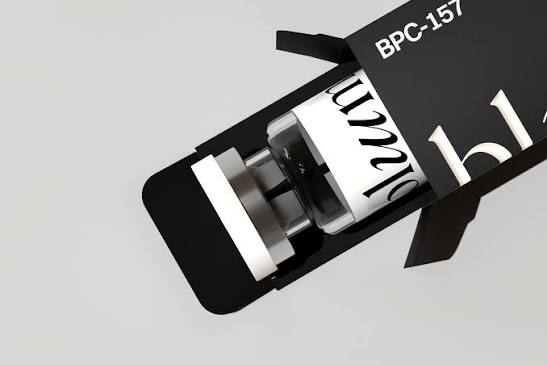
Understanding these molecular pathways requires analyzing bio-active signaling motifs. Investigating how the synthetic klow peptide sequence interacts with dermal fibroblasts provides crucial insights into targeted tissue repair and extracellular matrix regeneration.
1. Molecular Mechanisms of ECM Breakdown and Fibroblast Senescence
Dermal remodeling requires a precise balance between structural matrix degradation and enzymatic resynthesis. Under physiological conditions, dermal fibroblasts continuously secrete pro-collagen peptides into the extracellular space, where C-terminal and N-terminal peptidases cleave them into mature, self-assembling collagen fibrils.
When skin tissue undergoes stress, this balance shifts toward matrix breakdown through three primary pathways:
-
MMP-1 (Collagenase) Up-regulation: Inflammatory cytokines trigger elevated expression of MMP-1, an enzyme that specifically cleaves triple-helical Type I collagen at a single peptide bond, unraveling the fiber.
-
Integrin Disconnect: As the surrounding ECM scaffolding breaks down, dermal fibroblasts lose physical anchor points via $beta_1$-integrin receptors. Unanchored fibroblasts collapse into a quiescent state, drastically reducing new collagen output.
-
Reactive Oxygen Species (ROS) Cascades: Oxidative stress activates the AP-1 and NF-$kappa$B transcription factor pathways, suppressing Transforming Growth Factor-beta (TGF-$beta$) signaling while accelerating elastin degradation.
2. Intracellular Signaling Cascades Triggered by Bio-Active Sequences
When applied to 3D dermal organoid models or human dermal fibroblast (HDF) cultures, targeted bio-active sequences act as artificial matrikines—signaling fragments that mimic natural matrix breakdown products to trigger repair cascades.
The intracellular signaling cascade follows a structured, step-by-step biological sequence:
3. Structural Impact on Dermal Matrix Biomarkers
Quantifying the efficacy of synthetic signaling motifs in dermal models involves measuring key structural biomarkers relative to untreated controls.
As demonstrated across quantitative assays, introducing the klow peptide sequence into dermal fibroblast cultures suppresses collagen-degrading MMP pathways while simultaneously increasing new pro-collagen synthesis. This dual mechanism restores the structural density of the dermal matrix in experimental tissue models.
4. Analytical Validation Standards for Tissue Engineering Reagents
Because cellular signaling relies on precise molecular recognition, the purity and structural accuracy of synthetic peptides directly determine their biological activity. Truncated sequences or racemized residues can fail to properly bind integrin receptors, yielding inconsistent experimental results.
To ensure reliable results in 3D dermal equivalent assays, research teams must verify sequence purity using tandem mass spectrometry (MS/MS) and reversed-phase liquid chromatography (RP-HPLC). Utilizing certified, high-purity klow peptide reagents ensures that measured increases in collagen synthesis stem from true biological activity rather than variable chemical impurities.
5. Advancing Reconstructive Dermal Science
Restoring structural integrity in aged or damaged dermal tissue requires precise control over cellular signaling pathways. Synthetic bio-active sequences provide a reliable, targeted method for up-regulating extracellular matrix synthesis without triggering unwanted inflammatory responses.
By continuing to investigate the molecular mechanisms of the klow peptide sequence in validated dermal models, tissue engineering research advances toward more effective regenerative therapies. Grounding these studies in rigorous analytical standards ensures that synthetic reagents deliver reproducible, high-fidelity results across every stage of discovery.