
Parents today face an overwhelming number of choices when shopping for children’s toys. Online marketplaces are filled with brightly colored products, licensed cartoon characters, and electronic gadgets that promise endless entertainment. However, many families are beginning to ask a different question: Will this toy provide lasting value beyond a few days of excitement?
This growing concern has encouraged more parents to explore traditional Indian toys online as an alternative that combines creativity, storytelling, and cultural connection. Rather than focusing only on entertainment, these toys often encourage imaginative play, family interaction, and meaningful learning experiences.
In an age where children spend increasing amounts of time in front of screens, thoughtfully designed traditional toys offer an opportunity to slow down, explore stories, and develop creativity in a natural way.
Why Traditional Toys Are Making a Comeback
The popularity of traditional toys has grown steadily over recent years. One reason is that many parents want children to experience open-ended play instead of relying entirely on digital entertainment.
Unlike electronic toys that often direct every activity, traditional toys encourage children to think independently and create their own stories.
Parents frequently appreciate toys that help children:
- Develop imagination
- Improve creativity
- Enjoy screen-free play
- Strengthen family interaction
- Learn about Indian traditions
This changing mindset explains why many families now search for traditional Indian toys online instead of purchasing only trend-based products.
More Than Toys—A Connection to Culture
Traditional Indian toys have always reflected stories, festivals, folklore, and everyday life. Today, modern versions continue that tradition while using child-friendly designs and safer materials.
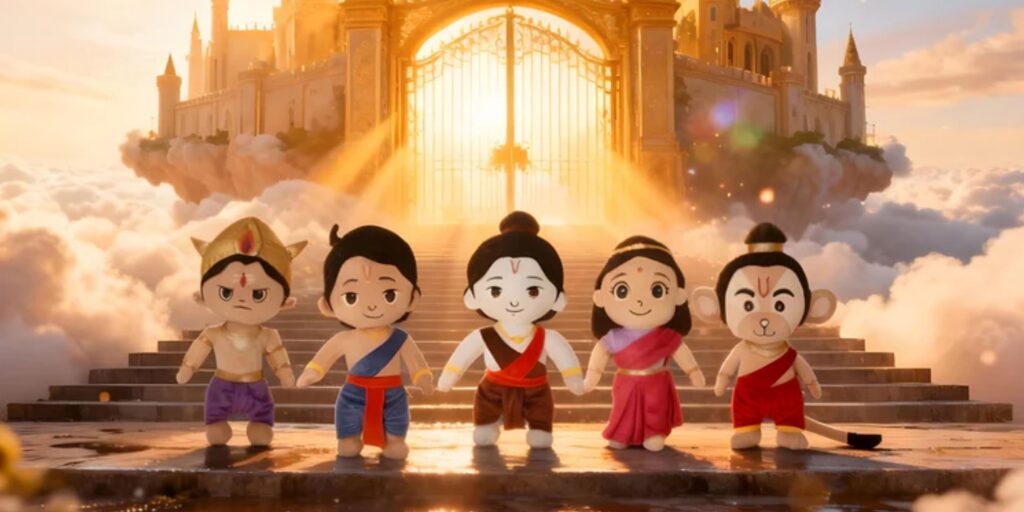
Mythology-inspired soft toys featuring characters such as Lord Krishna, Lord Ganesha, Hanuman, Rama, Sita, and Lakshmana allow children to interact with familiar stories in a playful and approachable way.
Children often become curious about the characters they play with, naturally encouraging conversations with parents and grandparents.
Instead of formal lessons, cultural learning happens through storytelling and imagination.
Why Storytelling Remains Powerful
Children understand ideas best when they experience them through stories.
Storytelling supports several important areas of childhood development, including:
- Language skills
- Creative thinking
- Emotional understanding
- Listening abilities
- Memory development
When children hold a character toy while listening to a story, they often become active participants instead of passive listeners.
From years of observing children’s play habits, it is clear that physical interaction helps stories become more memorable. Children ask questions, recreate scenes, and invent their own adventures, making learning feel enjoyable rather than instructional.
What Parents Should Look for When Buying Traditional Toys Online
Shopping online offers convenience and variety, but selecting the right toy requires careful consideration.
Choose Child-Safe Materials
Safety should always come first. Look for toys made with non-toxic, soft, and durable materials suitable for children’s everyday use.
Check Product Quality
Good stitching, quality fabrics, and thoughtful construction improve durability and comfort, especially for plush toys.
Read Genuine Reviews
Customer feedback often provides useful insights into product quality, size, and overall satisfaction.
Buy Age-Appropriate Toys
Choose products designed specifically for your child’s age group to ensure safe and enjoyable play.
Consider Educational Value
The best toys encourage creativity, storytelling, and imagination while remaining fun to play with.
Common Mistakes Parents Make
Experience within the toy industry shows that buyers sometimes focus only on appearance.
Buying Only Because a Toy Is Trending
Popular toys often lose appeal quickly once trends change.
Ignoring Practical Features
Washability, durability, and comfort are just as important as appearance.
Overlooking Storytelling Potential
Toys connected with meaningful stories often remain interesting much longer than toys built around temporary trends.
Choosing Quantity Over Quality
A few thoughtfully selected toys often provide more lasting value than many inexpensive alternatives.
Why Screen-Free Play Is Becoming More Important
Technology is now part of everyday childhood, but many families are looking for healthy ways to balance digital activities with physical play.
Traditional toys naturally encourage children to:
- Imagine new stories
- Solve simple problems
- Build communication skills
- Express emotions
- Play independently
Unlike electronic devices that provide constant stimulation, classic toys allow children to set the pace of play.
This slower style of interaction supports emotional development while encouraging creativity.
Traditional Toys Make Meaningful Gifts
Gift-giving has also become more thoughtful.
Parents and relatives increasingly prefer presents that offer emotional value rather than short-lived excitement.
Traditional toys are popular choices for:
- Birthdays
- Festivals
- Baby showers
- Naming ceremonies
- Return gifts
- Special family celebrations
These gifts often become treasured keepsakes because they create lasting memories through storytelling and imaginative play.
Why Indian Mythology Continues to Inspire Children
Characters from Indian mythology remain relevant because they introduce children to timeless values in an engaging way.
Stories about courage, kindness, friendship, honesty, wisdom, and perseverance naturally encourage meaningful conversations within families.
Children do not need to memorize these lessons. They absorb them gradually while interacting with familiar characters during everyday play.
This makes mythology-inspired toys both enjoyable and memorable.
How Mythro Toys Brings Traditional Play to Modern Families
Brands like Mythro Toys are helping revive interest in traditional Indian play by creating child-friendly toys inspired by Indian mythology.
Rather than designing products only for decoration, Mythro Toys focuses on toys that encourage storytelling, creativity, emotional comfort, and meaningful interaction.
Their collections allow families to introduce Indian cultural stories in a way that feels natural and enjoyable for children.
By combining modern quality standards with timeless storytelling, the brand supports a balanced approach to childhood play.
Why Families Continue Choosing Traditional Indian Toys Online with Mythro Toys
The growing popularity of traditional Indian toys online reflects a larger change in how parents think about childhood.
Families are increasingly choosing toys that encourage imagination, emotional development, storytelling, and cultural familiarity instead of short-term entertainment alone.
Whether used during bedtime stories, family conversations, or everyday play, traditional toys continue to create meaningful experiences that children remember for years. Brands like Mythro Toys are making it easier for today’s families to bring India’s rich storytelling heritage into modern homes through thoughtfully designed toys that inspire creativity and joyful learning.
FAQs
1. Why are traditional Indian toys becoming popular again?
Parents appreciate toys that encourage creativity, storytelling, and cultural learning while reducing screen dependence.
2. Are mythology-inspired toys suitable for children?
Yes, when made with child-safe materials and designed for the appropriate age group, they support imaginative and meaningful play.
3. What should parents check before buying toys online?
Look for safe materials, quality construction, customer reviews, age suitability, and easy maintenance.
4. How do traditional toys support child development?
They encourage imagination, communication, creativity, emotional understanding, and independent thinking.
5. Why do families choose Mythro Toys?
Mythro Toys creates mythology-inspired toys that help children enjoy meaningful play while connecting with India’s rich cultural heritage.