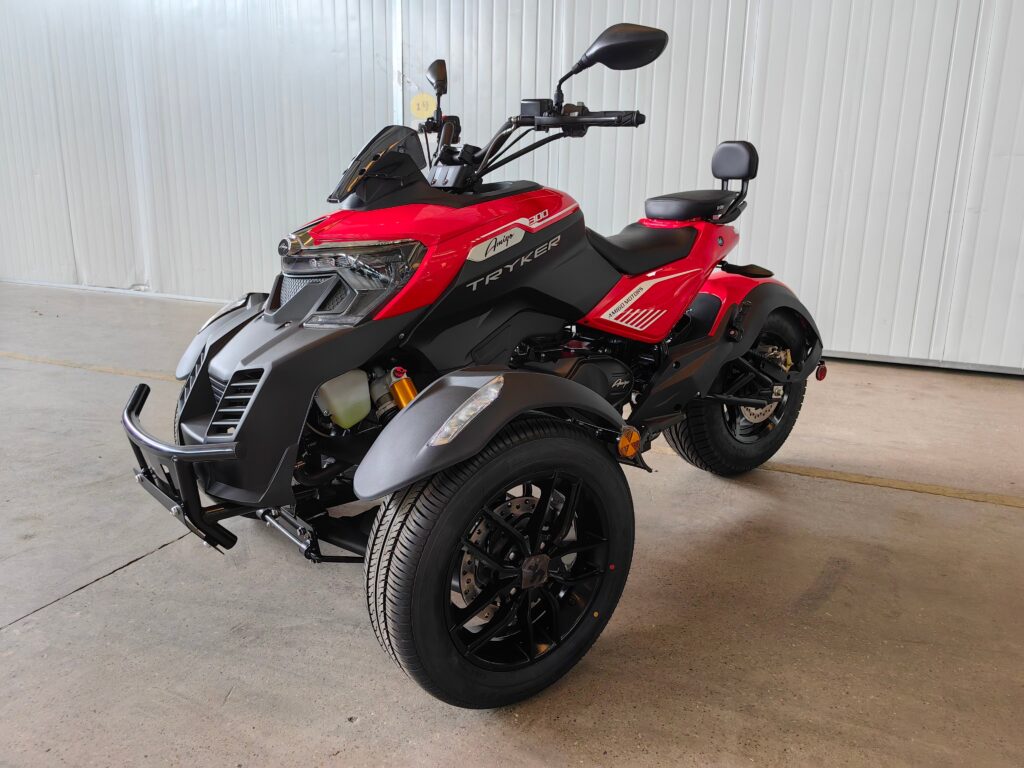

Three wheels promise stability and comfort, but the paperwork behind them can trip up even an experienced rider. Registration, licensing, and equipment rules shift from one state line to the next, and assuming a setup is street legal everywhere can lead to fines or a machine that cannot be ridden where intended.
A little homework before the purchase spares buyers headaches at the DMV and on the road. Understanding the legal landscape ahead of time makes the entire process smoother from checkout to first ride, and it prevents the costly mistake of buying something that cannot be registered locally.
How Classification Shapes Licensing
Classification is where confusion usually begins. Some states treat three-wheeled machines as motorcycles, others as autocycles, and a few carve out their own category entirely. That label decides whether a rider needs a motorcycle endorsement, a standard driver’s license, or a specialized permit.
Before committing to any of the trikes on a shortlist, buyers should confirm how their state defines the vehicle and which license class matches it. That single answer directly shapes the training and testing requirements that follow, and it determines how quickly a new owner can legally hit the road after the sale closes.
Helmet and Safety Gear Requirements
Helmet and safety gear laws follow the same patchwork pattern across the country. Certain states mandate helmets for all riders regardless of vehicle type, while others tie the requirement to age or license status, and a few leave the choice entirely to the rider.
Eye protection, mirrors, and turn signals may also be required equipment depending on where the vehicle is registered. Checking these mandates in advance ensures the machine arrives road-ready rather than needing add-ons before its first legal outing, which saves both time and unexpected expense.
On-Road Versus Off-Road Use
Buyers often weigh street-going three-wheelers against UTVs built for trails and property work, and the legal path differs sharply between them. A road machine must meet lighting, signaling, and registration standards, while an off-road vehicle usually follows separate trail-permit and land-use rules instead.
Knowing which category fits the intended use prevents an awkward mismatch at registration. Many of these off-road machines are never meant for public roads at all, so a buyer who plans mostly pavement riding should steer toward a properly classified street vehicle from the start rather than trying to retrofit one later.
Registration, Titling, and Insurance
Registration and titling deserve equal attention. A three-wheeled vehicle sometimes registers under motorcycle rules and sometimes under passenger vehicle rules, and each path carries different fees, inspections, and expectations. Gathering the title, bill of sale, and any certificate of origin ahead of the DMV visit keeps the process from stalling.
Insurance itself can vary in cost and coverage type depending on how the vehicle is classified, so a quick call to a provider clarifies the real expense. Riders who sort this out early avoid the unpleasant surprise of an uninsurable or unregisterable purchase, and they gain a clear picture of the ongoing cost of ownership.
Age and Passenger Rules
Age and passenger rules round out the checklist. Some jurisdictions restrict who can operate certain configurations or limit passengers based on seating and safety features, and those limits are easy to miss in the excitement of a purchase.
Riders planning to carry a partner or introduce a younger family member to the hobby should verify those limits before buying. Understanding the full legal picture allows a confident choice that fits both personal needs and the state’s rulebook. Price ranges run broadly, from budget-friendly entry models in the low thousands to premium touring builds that climb considerably higher, so matching the budget to a legally appropriate configuration keeps the whole process smooth.
Conclusion
Buying a three-wheeled machine is as much a legal exercise as a mechanical one. Confirming classification, gear laws, registration, road versus trail use, and passenger rules before purchase turns a potentially frustrating process into a straightforward one.
MotoBuys is a top source for shoppers comparing reliable trikes and capable UTVs, offering a broad selection and knowledgeable support built over decades serving riders nationwide since 1989. With MotoBuys, buyers can count on the best value and trusted guidance from browsing to their first legal ride.