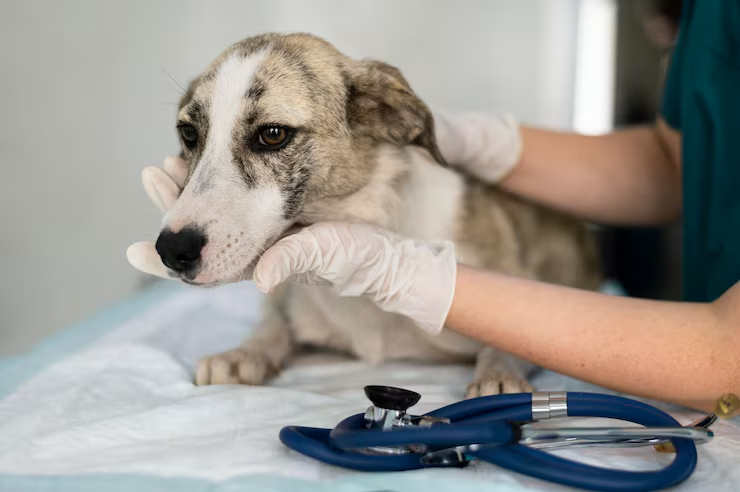

Pets often hide pain better than people expect. A small change in behavior can point to a serious problem. Knowing when to seek help from an emergency vet in Calgary can protect your pet from pain and prevent a condition from becoming worse.
Some emergencies happen without warning. Others begin with signs that seem small at first. Your pet depends on you to notice these changes and act quickly. Fast treatment often leads to better recovery and fewer complications.
Changes in Breathing Need Immediate Attention
Breathing problems should never wait until the next day.
Heavy panting during rest, noisy breathing, wheezing, or struggling to catch a breath can signal a serious issue. Pets need oxygen every second. Even a short delay can put stress on the heart and other organs.
Watch for these warning signs:
- Open-mouth breathing in cats
- Blue or pale gums
- Rapid breathing during rest
- Stretching the neck to breathe easier
These symptoms need urgent veterinary care.
Vomiting and Diarrhea Can Become Serious Fast
One episode of vomiting may not always mean danger. Repeated vomiting or diarrhea is different.
Your pet can lose fluids quickly. Dehydration affects energy levels, blood pressure, and organ function. Puppies, kittens, and senior pets face an even higher risk.
Seek care if you notice:
- Vomiting several times in a few hours
- Blood in vomit or stool
- Extreme weakness
- Refusal to eat or drink
These symptoms often point to conditions that need prompt treatment.
Sudden Weakness or Collapse Is Always an Emergency
Healthy pets do not collapse without a reason.
A sudden loss of balance, weakness, or fainting can signal heart disease, blood loss, poisoning, or internal injuries. Even if your pet seems normal a few minutes later, the cause still needs investigation.
Take note of what happened before the collapse. This information helps your veterinary team respond faster.
Seizures Require Fast Medical Care
Watching a seizure can feel frightening.
Some seizures last only a few seconds. Others continue for several minutes or happen back-to-back. During a seizure, keep your pet away from stairs or sharp objects and avoid placing your hands near the mouth.
Call for emergency care if:
- The seizure lasts longer than two minutes.
- Multiple seizures happen close together.
- Your pet struggles to recover afterward.
Quick treatment can reduce the risk of lasting damage.
When to Visit an Emergency Vet in Calgary
Some symptoms demand immediate action, even if your pet still seems alert.
Seek urgent care if your pet shows:
- Severe bleeding
- Trouble standing or walking
- A swollen abdomen
- Signs of extreme pain
- Loss of consciousness
- Serious injuries after an accident
Many pet owners wait because they hope the problem will improve on its own. In emergencies, waiting often makes treatment harder and recovery longer.
Poisoning Can Turn Dangerous Within Minutes
Pets explore the world with their mouths.
Chocolate, medications, cleaning products, plants, and automotive fluids can all cause serious harm. Symptoms may include drooling, vomiting, shaking, weakness, or unusual behavior.
If you suspect poisoning, collect information about the substance if possible. Knowing what your pet consumed helps guide treatment decisions.
Do not try home remedies unless a veterinarian advises them.
Trouble Urinating Is a Medical Emergency
Many owners do not realize how serious urinary problems can become.
A pet that strains to urinate, cries in the litter box, or makes repeated trips outside may have a blockage. This condition appears most often in male cats, but it can affect other pets as well.
Without treatment, toxins build up in the body quickly. Early care can save your pet’s life.
Severe Pain Often Shows Through Behavior Changes
Pets rarely cry out when they hurt.
Instead, they hide, avoid movement, refuse food, or become unusually aggressive. Some pets shake or breathe faster than normal. Others stop interacting with family members.
You know your pet’s normal habits better than anyone else. Trust your instincts when something feels wrong.
A Swollen Belly Should Never Be Ignored
A swollen abdomen can develop quickly.
In some dogs, the stomach fills with gas and twists. This condition cuts off blood flow and causes severe pain. Without treatment, it can become fatal in a short time.
Warning signs include:
- Pacing
- Restlessness
- Unsuccessful attempts to vomit
- A firm or swollen stomach
Immediate veterinary care gives the best chance for recovery.
Eye Injuries Need Fast Attention
Eye injuries often worsen within hours.
Redness, swelling, squinting, or pawing at the eye can signal pain or damage. Even a small scratch on the eye surface can become serious if left untreated.
Protecting vision starts with early treatment.
Why Emergency Vets in South Calgary Focus on Speed
Time matters during emergencies.
The first goal is stabilization. Veterinary teams work to control pain, support breathing, manage bleeding, and prevent shock. Once your pet becomes stable, further tests help identify the cause of the problem.
Many emergency vets in South Calgary use a triage process. Pets with life-threatening conditions receive treatment first. This approach ensures the most critical patients get immediate attention.
Preparing Before an Emergency Happens
Planning ahead saves valuable time.
Keep important phone numbers easy to find. Know your route to the clinic before an emergency occurs. Store medical records where they are easy to access.
A simple pet emergency kit can also help. Include:
- Bandages
- Gauze
- Disposable gloves
- A towel or blanket
- Contact numbers
Preparation allows you to focus on your pet instead of searching for supplies.
How the Best Vet in Calgary Supports Emergency Care
Emergency medicine requires quick decisions and clear communication.
The best vet in Calgary focuses on stabilizing your pet while explaining each step of care. Clear updates help reduce stress during an already difficult situation.
Experience also matters. Emergency teams see a wide range of medical problems and know how quickly conditions can change.
For many families, trust becomes just as important as treatment.
Small Changes Often Tell the Biggest Story
Many emergencies begin quietly.
A pet that stops greeting you at the door may be in pain. A dog that suddenly refuses food may need medical attention. A cat hiding under furniture could be trying to cope with discomfort.
Pay attention to changes in energy, appetite, and behavior. These small clues often appear before serious symptoms develop.
Protecting Your Pet Starts With Fast Action
No one plans for an emergency, but preparation makes a difference. Recognizing symptoms early gives your pet a stronger chance of recovery and a better outcome. Whether the issue involves breathing problems, seizures, poisoning, or injuries, acting quickly matters.
When you need an emergency vet in Calgary, choosing experienced care can bring peace of mind during stressful moments. Families looking for compassionate support and trusted veterinary guidance can turn to Silverado Veterinary Hospital for urgent pet care and medical attention when every minute counts.
Visit us to learn more about emergency care services and how to protect your pet during unexpected situations.
Frequently Asked Questions
1. What symptoms mean my pet needs emergency care?
Difficulty breathing, seizures, severe bleeding, collapse, poisoning, and trouble urinating all require immediate veterinary attention.
2. Should I call before bringing my pet to an emergency clinic?
Yes. Calling ahead allows the veterinary team to prepare for your pet’s arrival and begin treatment faster.
3. Can vomiting become an emergency for pets?
Yes. Repeated vomiting, blood in vomit, or weakness should be treated as urgent symptoms.
4. Why do emergency vets in South Calgary use triage?
Triage helps veterinary teams treat pets with life-threatening conditions first and provide care based on urgency.
5. How can I prepare for a pet emergency?
Keep emergency contact numbers nearby, know your route to the clinic, and maintain a basic pet first aid kit at home.