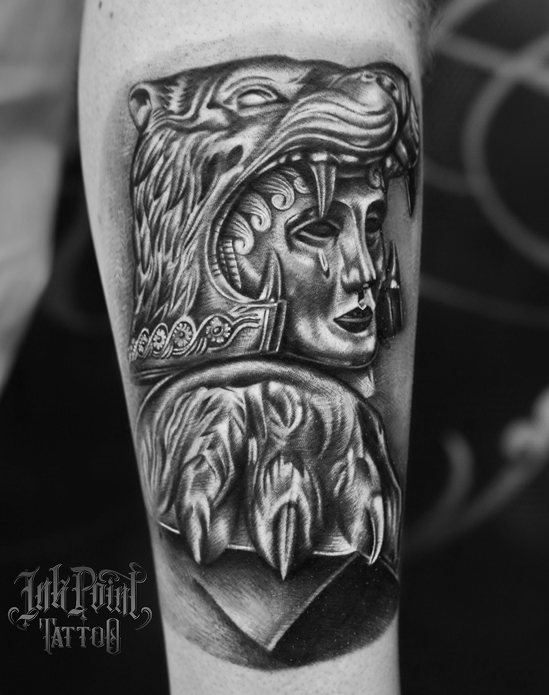

Tattoos often represent important memories, milestones, or personal beliefs. As people grow and their lives change, the meaning behind an older tattoo may no longer reflect who they are today. Some designs fade over time, while others may have been poorly executed or simply no longer match personal style. Instead of living with unwanted ink, many people choose a solution that allows them to move forward with confidence.
A cover up tattoo offers the opportunity to replace an old design with fresh artwork that better represents your personality and journey. Rather than viewing an existing tattoo as a permanent regret, modern tattoo techniques make it possible to transform it into something visually striking and deeply meaningful.
Understanding a Cover Up Tattoo
A cover up tattoo is a new tattoo designed specifically to conceal an existing one. Unlike placing a tattoo on untouched skin, cover-up work requires careful planning because the previous design remains beneath the new artwork. The goal is to make the old tattoo virtually invisible while creating a design that looks natural and intentional.
Professional artists consider factors such as the size, color, placement, and age of the existing tattoo before beginning the design process. Every cover-up project is unique because no two tattoos present the same challenges.
The best cover-ups are not simply larger tattoos placed over old ink. They are carefully crafted compositions that use shading, contrast, texture, and creative design to completely transform the original artwork.
Why People Choose to Replace Old Tattoos
There are many reasons someone may decide to replace an existing tattoo. Personal growth is one of the most common. A tattoo that once held deep significance may no longer represent current values, interests, or life experiences.
Other reasons include:
- Poor-quality tattoo work
- Faded or blurred designs
- Outdated styles
- Misspelled words or incorrect artwork
- Tattoos connected to past relationships
- Designs that no longer fit personal taste
- Uneven healing or aging
Choosing new artwork allows individuals to reclaim space on their body with something that better reflects who they have become.
When Is a Cover Up the Right Choice?
Not every unwanted tattoo requires laser removal. In many cases, a skilled artist can successfully design a cover-up without needing multiple laser sessions.
A cover-up is often suitable when:
- The old tattoo has faded over time.
- The existing design is relatively small.
- Dark areas can be incorporated into a new concept.
- A larger design is acceptable.
- The client is open to creative flexibility.
However, tattoos with extremely dense black ink or heavy saturation may require partial laser fading before beginning the new artwork.
Factors Artists Evaluate
Before creating a design, experienced tattoo artists carefully assess several important elements.
Size
The original tattoo determines how large the new design must be. In most situations, the replacement artwork needs to extend beyond the edges of the existing tattoo for complete coverage.
Color
Different pigments behave differently during the cover-up process. Black ink is generally easier to conceal than bright colors, while vibrant reds, blues, and greens often require thoughtful layering and strategic shading.
Placement
Body placement influences how much detail can be incorporated. Areas with more space provide greater flexibility for creating balanced compositions.
Age of the Tattoo
Older tattoos naturally fade over time, making them easier to cover than fresh, heavily saturated designs.
Popular Design Choices
The beauty of modern tattooing is that almost any artistic style can become a successful cover-up when planned correctly.
Floral Designs
Flowers provide natural layering, flowing petals, and varied shading that effectively conceal previous lines and shapes.
Nature-Inspired Artwork
Trees, mountains, waves, forests, feathers, and wildlife create organic movement that blends existing ink into detailed compositions.
Mandalas and Geometric Patterns
Intricate line work combined with repeating patterns helps redirect attention away from the original tattoo while creating visually balanced artwork.
Black and Grey Realism
Realistic portraits, animals, and textured shading offer excellent opportunities to disguise older tattoos through depth and contrast.
Japanese-Inspired Tattoos
Large flowing elements like dragons, koi fish, waves, clouds, and cherry blossoms naturally provide the coverage needed for more challenging projects.
The Importance of Custom Design
Every successful cover-up begins with thoughtful planning rather than rushing directly into tattooing.
Professional artists create custom artwork that works with—not against—the existing tattoo. Instead of trying to simply hide old ink, they redesign the entire area so the finished piece appears as though it was always intended to look that way.
Custom planning includes:
- Studying the original tattoo
- Identifying difficult areas
- Planning contrast
- Selecting suitable colors
- Building natural flow
- Positioning focal points
- Adjusting scale and proportion
This level of preparation greatly improves the final result.
Why Experience Matters
Cover-up tattoos are considered one of the more advanced forms of tattooing because they combine artistic creativity with technical precision.
Artists performing this work must understand:
Ink Saturation
Knowing how different pigments interact helps determine which colors will effectively conceal previous work.
Layering Techniques
Strategic layering allows the new tattoo to create visual depth while preventing old lines from becoming noticeable.
Contrast
Strong contrast between dark and light areas helps distract the eye from underlying shapes.
Composition
An experienced artist designs around existing elements instead of forcing artwork into an unsuitable layout.
These skills are developed through years of practice and cannot be replaced by simply making a tattoo larger.
Preparing for Your Appointment
Good preparation helps both the client and artist achieve better results.
Before your consultation:
- Gather clear photos of your existing tattoo.
- Think about styles you genuinely enjoy.
- Stay open to artistic recommendations.
- Be realistic about size adjustments.
- Discuss your expectations honestly.
- Ask questions about healing and aftercare.
Clear communication makes the design process much smoother.
Healing After a Cover-Up
Healing follows many of the same principles as any other tattoo, but proper care is especially important because cover-up work often involves more layering and shading.
After your session:
Keep the Area Clean
Wash gently using mild soap and lukewarm water.
Avoid Scratching
Peeling skin is a normal part of healing. Picking at scabs can affect the final appearance.
Moisturize Carefully
Use the recommended aftercare product to prevent excessive dryness.
Protect from Sunlight
Fresh tattoos should be kept away from direct sunlight until fully healed.
Follow Professional Advice
Each tattoo heals differently, so following personalized aftercare instructions is essential for achieving the best possible outcome.
Common Misconceptions
Many people hesitate because they believe certain myths about cover-up work.
“The Old Tattoo Will Always Show”
With proper planning and expert execution, many previous tattoos become extremely difficult to detect.
“Only Black Tattoos Can Be Covered”
Modern techniques allow artists to successfully cover many colorful tattoos using carefully selected pigments and design strategies.
“The New Tattoo Must Be Completely Black”
While darker shading often plays a role, many successful cover-ups include balanced color palettes and impressive artistic detail.
“Every Tattoo Needs Laser Removal First”
Laser treatment is helpful in some situations, but many tattoos can be successfully transformed without it.
Choosing the Right Artist
Selecting the right professional is one of the most important decisions in the process.
Look for someone who:
- Has a strong portfolio of cover-up work
- Creates custom designs
- Communicates honestly
- Understands tattoo composition
- Maintains excellent hygiene standards
- Takes time during consultations
- Provides clear aftercare guidance
A skilled artist focuses on creating artwork that looks beautiful on its own rather than simply hiding the previous tattoo.
A Fresh Start with Meaningful Artwork
An unwanted tattoo does not have to remain a permanent reminder of the past. With thoughtful planning, artistic creativity, and technical expertise, it can become a design that reflects who you are today instead of who you once were.
Whether your goal is to improve an older piece, replace faded artwork, or completely reinvent an existing design, working with experienced professionals makes all the difference. Inkpoint Tattoo Studio approaches every transformation with careful planning and respect for each client’s unique vision, creating artwork that feels intentional rather than simply concealed.
A well-designed tattoo should tell your story with confidence, turning yesterday’s ink into tomorrow’s masterpiece.