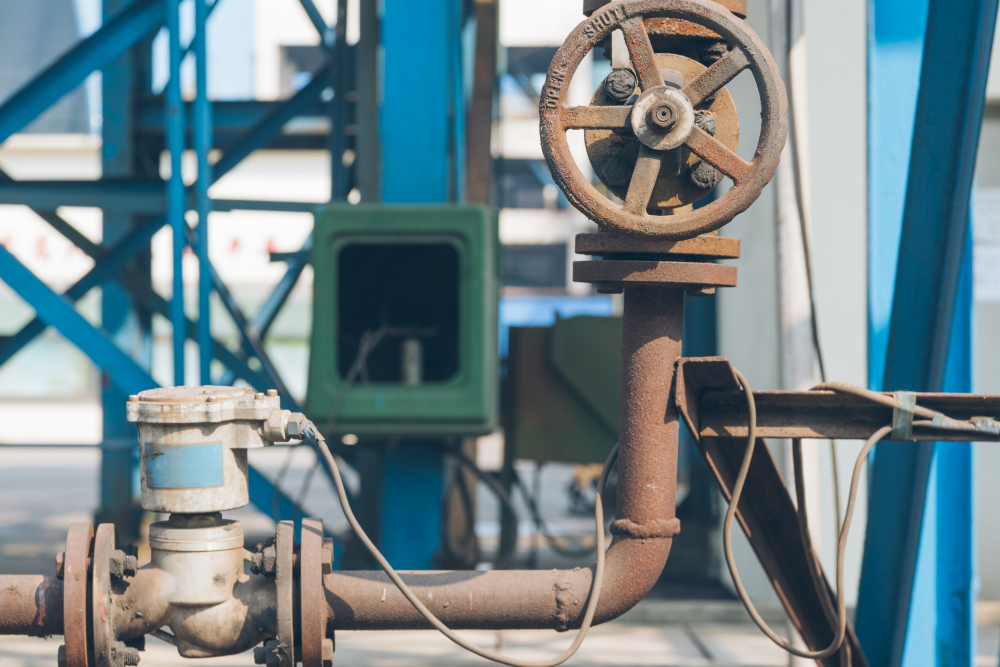

Introduction
Gate valves are one of the most widely used industrial valves for controlling and isolating the flow of liquids, gases, and other process media. They are designed to provide reliable shut-off performance and are commonly installed in pipeline systems where complete flow control is required.
Unlike control valves that are used for regulating flow continuously, gate valves are mainly used for fully open or fully closed operations. Their straight-through design helps minimise pressure loss and allows smooth movement of fluids when the valve is completely open.
Selecting reliable gate valve manufacturers and trusted valve suppliers is important to ensure quality, durability, and long-term operational efficiency. The right valve selection depends on several factors, including pressure rating, temperature range, material compatibility, and the type of application.
This article explains the working principle, types, applications, advantages, and important considerations when choosing a gate valve solution
What Is a Gate Valve?
A gate valve is a linear motion valve that controls fluid flow by moving a gate or wedge-shaped disc vertically inside the valve body. The movement of this internal component allows the valve to either open or close the pipeline passage.
When the valve is fully opened, the gate moves completely away from the flow path. This creates a clear passage that allows fluids to move with minimal resistance and low pressure drop.
When the valve is closed, the gate moves downward and creates contact with the valve seats. This sealing action prevents fluid from passing through the pipeline.
A typical gate valve consists of several components, including:
- Valve body
- Bonnet
- Gate or wedge disc
- Valve stem
- Seat rings
- Packing arrangement
- Handwheel or actuator
Each component is designed to provide reliable operation under specific industrial conditions.
Working Principle of a Gate Valve
A gate valve operates using a linear movement mechanism. The valve stem controls the upward and downward movement of the gate to regulate pipeline flow.
Opening Process
When the handwheel or actuator is operated, the stem moves upward and lifts the gate away from the valve seat. This creates an open passage that allows fluid or gas to flow through the pipeline.
Closing Process
During closing, the stem moves downward and pushes the gate into position. The gate comes in contact with the sealing surfaces and blocks the flow completely.
Sealing Mechanism
The sealing performance of a gate valve depends on the interaction between the gate and seat rings. Proper sealing prevents leakage and ensures safe operation.
Gate valves provide the best performance when used for isolation purposes rather than flow throttling. Operating them in partially open conditions can increase wear and reduce service life.
Types of Gate Valves
Different industries require different valve designs based on operating conditions and application requirements.
Wedge Gate Valve
A wedge gate valve uses a wedge-shaped disc that creates a strong sealing force between the gate and seat. It is widely used in industrial systems where reliable shut-off is required.
Rising Stem Gate Valve
A rising stem gate valve allows the stem to move upward during operation. This provides a clear indication of the valve position and helps operators identify whether the valve is open or closed.
Non-Rising Stem Gate Valve
A non-rising stem gate valve keeps the stem inside the valve body while operating. This compact design makes it suitable for applications where installation space is limited.
Parallel Slide Gate Valve
A parallel slide gate valve uses two parallel discs to maintain effective sealing performance. It is commonly used in high-pressure and high-temperature applications.
Actuated Gate Valve
An actuated gate valve uses electric, pneumatic, or hydraulic actuators for automatic operation. These valves are suitable for systems requiring remote operation and automation.
Applications of Gate Valves
Gate valves are used in various industries because of their durability, reliability, and effective isolation capability.
Oil and Gas Industry
Gate valves are commonly used in oil and gas pipelines, processing systems, and transmission networks where dependable shut-off performance is required.
Water Treatment Systems
Water treatment plants use gate valves for controlling and isolating sections of pipelines during operation and maintenance activities.
Power Generation Industry
Power generation systems use gate valves in steam, cooling water, and process fluid applications where reliable operation is essential.
Chemical Processing Industry
Chemical industries require valves that can handle different process fluids while maintaining sealing performance and material compatibility.
Industrial Manufacturing
Manufacturing facilities use gate valves for controlling fluid movement in different production and processing systems.
Benefits of Using Gate Valves
Excellent Shut-Off Capability
Gate valves provide effective isolation by completely stopping fluid movement when required.
Minimal Pressure Loss
The full bore design allows smooth flow with reduced turbulence and pressure drop.
High Durability
Strong construction and quality materials help gate valves provide reliable performance for long operating periods.
Suitable for High Pressure Applications
Many gate valve designs are manufactured to handle demanding pressure and temperature conditions.
Easy Maintenance
The simple design of gate valves allows easier inspection, servicing, and component replacement.
Factors to Consider When Selecting Gate Valve Manufacturers and Valve Suppliers
Choosing the right supplier is essential for achieving reliable performance and reducing future maintenance issues.
Product Quality
Always check the manufacturing quality, materials used, and testing procedures followed during production.
Pressure and Temperature Ratings
The selected valve should match the operating pressure and temperature requirements of your system.
Material Compatibility
Valve materials should be suitable for the fluid or gas being controlled to prevent corrosion and performance issues.
Industry Standards
Quality gate valves should follow recognised manufacturing and testing standards to ensure safety and reliability.
Technical Support
Reliable valve suppliers should provide proper guidance regarding valve selection, installation, and maintenance.
Aira Euro Automation Pvt Ltd provides industrial valve solutions designed to meet different flow control requirements with a focus on quality, reliability, and performance.
Maintenance Tips for Gate Valves
Regular maintenance helps extend valve life and maintain efficient operation.
Important maintenance practices include:
- Inspecting valves regularly for leakage or damage.
- Checking sealing components for wear.
- Monitoring valve operation and stem movement.
- Maintaining lubrication of moving parts.
- Following recommended maintenance schedules.
Proper maintenance reduces unexpected failures and improves overall system efficiency.
Conclusion
Gate valves play an important role in industrial piping systems where reliable isolation and efficient flow control are required. Their durable construction, effective sealing mechanism, and ability to handle challenging operating conditions make them suitable for various industrial applications.
When selecting gate valve manufacturers and valve suppliers, it is important to consider product quality, technical specifications, material compatibility, and application requirements.
Choosing the right gate valve solution helps improve system reliability, reduce maintenance requirements, and ensure efficient long-term performance.