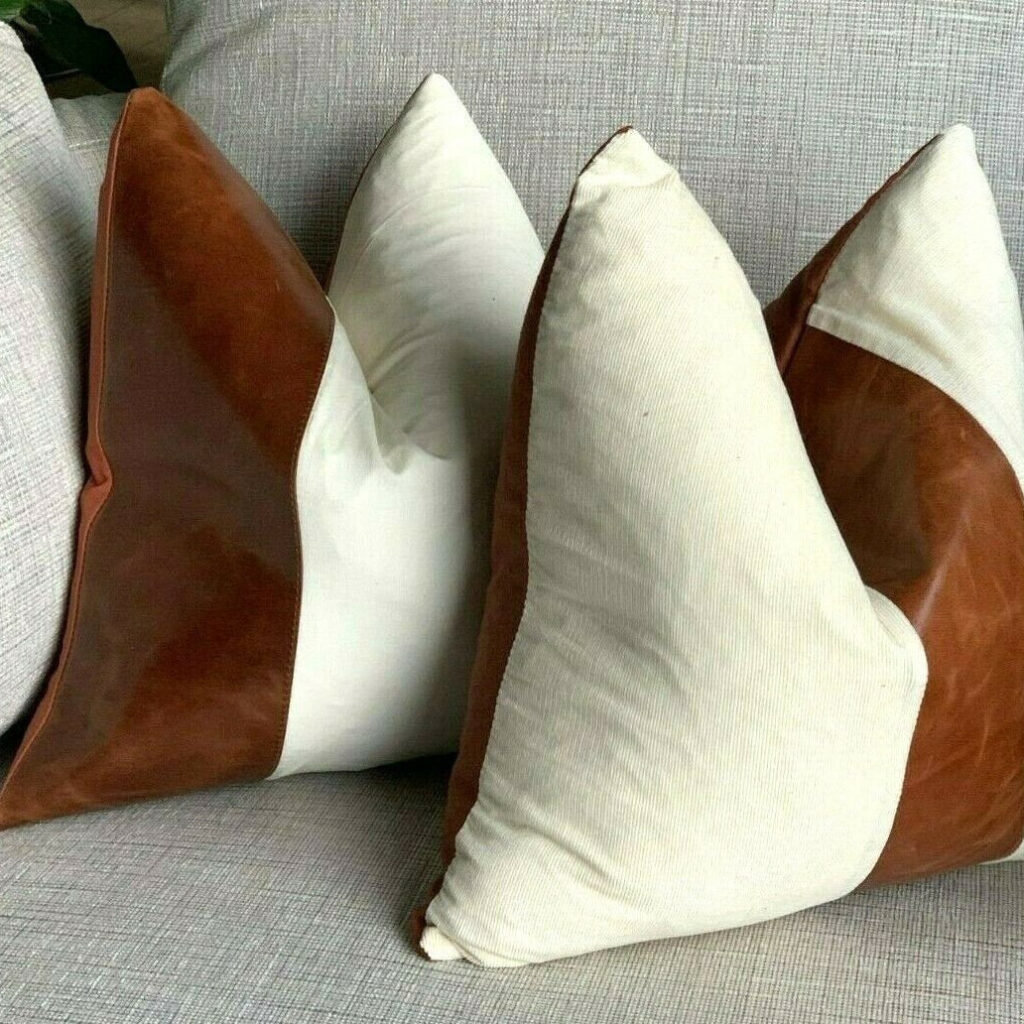

A good cushion can last for years, but only if it gets a bit of care along the way. Taking care of Leather Cushions properly means paying attention to the weather too, since changes throughout the year affect leather more than most people realize. Heat, humidity, cold, and dry air each put different strain on the material. A simple seasonal routine keeps your cushions looking good no matter what time of year it is.
Why Leather Needs Seasonal Attention
Leather isn’t like fabric. It responds to its environment. Temperature swings and humidity changes cause it to expand, contract, dry out, or soak up moisture depending on the season.
Skip seasonal care and small problems build up. Cracking. Fading. Stiffness. None of these happen overnight, but they creep in slowly if the leather never gets attention.
A little consistent care goes a long way. It doesn’t take much time each season, and it saves you from bigger repairs or replacements down the line.
Summer Care for Your Leather Cushions
Summer brings heat and, often, more direct sunlight indoors. Both dry leather out fast. Keep cushions away from windows where sun hits them for long stretches during the day.
If your leather cushions sit outdoors or on a sunroom sofa, check them every few weeks for signs of drying. Small cracks near the seams are usually the first warning sign.
A light leather conditioner works well in summer. It replaces oils that heat pulls out of the material. Apply it sparingly, and always test a small hidden spot first before treating the whole cushion.
Sweat and body oils also show up more in warmer months. Wipe cushions down with a slightly damp cloth every couple of weeks if they get regular use. Let them air dry fully before anyone sits on them again.
Autumn Care as Temperatures Shift
Autumn is a good time for a deeper check. As temperatures start dropping, this is when small summer damage tends to become more visible. Inspect seams, corners, and high contact areas closely.
This is also a good season to give cushions a proper clean before winter sets in. Use a leather-safe cleaner, never household soap or harsh chemicals, since these strip the natural oils leather needs to stay flexible.
If you plan to store any cushions over winter, autumn is the time to prep them. Clean and condition first, then store in a breathable bag rather than plastic. Plastic traps moisture, and that leads to mold or mildew over time.
Winter Care and Indoor Heating
Indoor heating dries the air out significantly during winter. This affects leather just as much as summer sun does, maybe even more, since the effect is constant rather than occasional.
Keep cushions away from direct heat sources like radiators or heating vents. Sitting too close causes uneven drying, which leads to stiffness and cracking over time.
A humidifier in the room helps balance out dry heated air. This benefits both your leather furniture and the leather cushions sitting on it, along with anything else in the room made from natural materials.
Condition leather cushions once during the coldest months if you notice any stiffness. Winter is usually when leather needs the most moisture replenishment, so don’t skip this step even if the cushions look fine on the surface.
Spring Cleaning and Refresh
Spring is the perfect time for a full reset. After a dry winter, leather often needs a proper conditioning treatment to restore its natural softness and shine.
Check for any damage that built up over winter. Small cracks, dry patches, or discoloration usually show up clearly once you’re really looking. Address these early before they get worse through the warmer months ahead.
Spring is also a good time to rotate cushions if you have several in use. This spreads out wear evenly, since cushions that always sit in the same spot tend to fade or flatten faster than ones that get moved around occasionally.
General Year Round Tips
A few habits work well no matter the season. Keep leather cushions out of direct, constant sunlight whenever possible, since UV exposure fades and dries leather regardless of the time of year.
Rotate and fluff cushions regularly to prevent uneven wear. This simple habit extends their life significantly, especially for cushions used daily on a favorite chair or sofa spot.
Always test any cleaning or conditioning product on a hidden area first. Leather varies between finishes, and what works well on one type might discolor or damage another.
Conclusion
Keeping leather cushions in good shape isn’t complicated, but it does take a little attention through the year. A quick seasonal check, paired with the right products at the right time, keeps them soft, supple, and good looking for years rather than months. Boho Eclectica’s collection of Leather Cushion pieces is designed to hold up beautifully with exactly this kind of simple, consistent care.