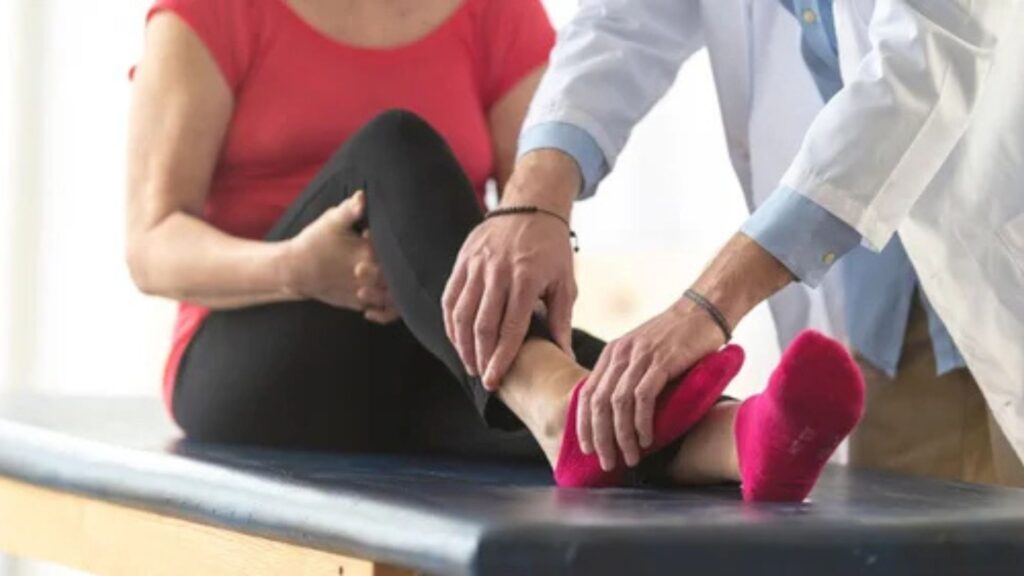

Running is built on consistency. Every training session helps improve endurance, strength, and confidence. However, recurring pain can interrupt that progress. A sore knee that returns after every long run, an Achilles tendon that never feels fully recovered, or persistent hip discomfort may all point to a long-term problem rather than temporary soreness. Choosing the right treatment for chronic running injuries means understanding why these issues continue instead of simply treating the pain. Physical therapy takes a different approach. Instead of focusing only on the injured area, it examines how your body moves during everyday activities and running. This helps identify the factors that may be preventing complete recovery and supports a safer return to the miles you enjoy.
Why Rest Alone Does Not Always Solve the Problem
Many runners reduce their mileage or stop running for a few weeks after pain begins. The discomfort may improve during this break, but it often returns after training resumes.
This happens because rest can calm irritated tissues, but it does not correct the reasons the injury developed. If muscle weakness, limited mobility, poor balance, or inefficient running mechanics remain unchanged, the same area continues to absorb repeated stress.
Long-lasting recovery depends on improving how the body performs during movement, not simply waiting for symptoms to settle.
Every Running Injury Has a Story
Chronic running injuries rarely appear without warning. The body usually sends small signals before pain becomes severe.
You may notice:
- A leg that feels tighter than the other
- Fatigue much earlier during runs
- One foot striking the ground differently
- Difficulty maintaining pace late in training
- Mild soreness after every workout
- Reduced flexibility in the hips or calves
These early changes may seem minor, but they can gradually affect running efficiency. Over time, small movement changes can place repeated stress on muscles, tendons, and joints.
Why Your Running Style Matters More Than You Think
Running is a full-body activity. Although the legs produce movement, the entire body contributes to balance, stability, and force control.
A runner with limited hip strength may place more pressure on the knees. Reduced ankle mobility can change foot placement. Weak core muscles may allow unnecessary side-to-side movement that increases stress throughout the lower body.
Physical therapists evaluate these movement patterns because they often explain why injuries continue to return.
Instead of asking only, “Where does it hurt?” they also ask, “Why is this area working harder than it should?”
What a Physical Therapy Evaluation Looks For
A physical therapy assessment goes beyond checking the painful area.
Your therapist studies how different parts of your body work together during movement.
This evaluation may include:
- Walking and running observation
- Hip and core strength testing
- Single leg balance assessment
- Joint mobility measurements
- Muscle flexibility testing
- Functional movement analysis
- Squatting and stepping patterns
Looking at these factors together provides a clearer picture of what may be contributing to repeated injuries.
Building a Recovery Plan Around Your Running Goals
No two runners train the same way. Someone preparing for a marathon has different demands than someone running a few miles each week.
Physical therapy creates a plan that matches your current condition, activity level, and future goals.
Treatment often includes progressive strengthening, mobility exercises, balance activities, and movement retraining. Each stage prepares your body for the next level of activity instead of rushing the recovery process.
As strength and movement improve, running activities can gradually increase while keeping symptoms under close observation.
Small Adjustments Can Create Big Changes
Many runners believe recovery requires major changes. In reality, several small improvements often work together to reduce unnecessary stress.
Examples include:
- Improving hip control during each stride
- Increasing ankle flexibility
- Strengthening the glute muscles
- Improving core stability
- Practicing smoother landing mechanics
- Managing weekly training volume more effectively
These changes help distribute forces more evenly throughout the body. Better movement efficiency means individual muscles and joints are less likely to become overloaded.
Recovery Does Not End After Pain Improves
Feeling better is an important milestone, but it is only one part of recovery.
The body also needs enough strength and endurance to handle future training demands. Returning to previous mileage too quickly may increase the chance of another setback.
Physical therapists gradually increase activity based on your progress. This step-by-step approach helps tissues adapt safely while rebuilding confidence in movement.
The goal is not simply returning to running. The goal is to return with better movement quality than before the injury developed.
Habits That Support Long-Term Running Health
Healthy running depends on consistent habits, not occasional changes.
To reduce the chance of recurring injuries:
- Increase mileage gradually instead of making sudden jumps.
- Include strength exercises throughout the year.
- Warm up before every run.
- Allow recovery days after challenging workouts.
- Pay attention to small changes in movement or discomfort.
- Address minor symptoms before they become ongoing problems.
- Maintain flexibility in the hips, calves, and ankles.
These habits support better movement and help your body adapt to regular training.
Last Words:
Recurring pain does not always mean you have to stop running. Many chronic injuries improve after the underlying movement problems are identified and addressed through a personalized rehabilitation plan. Physical therapy focuses on helping runners move more efficiently, improve muscle coordination, restore flexibility, and build lasting strength. This comprehensive approach supports recovery while reducing the chance of future setbacks.
If persistent pain is limiting your training, speaking with a professional who provides therapy for marathon injuries and other running-related conditions can help you understand what your body needs. A personalized physical therapy evaluation can identify movement patterns affecting your performance and create a recovery plan that helps you return to running with greater comfort, confidence, and long-term success.